

Quick Guide

What is this coffee?

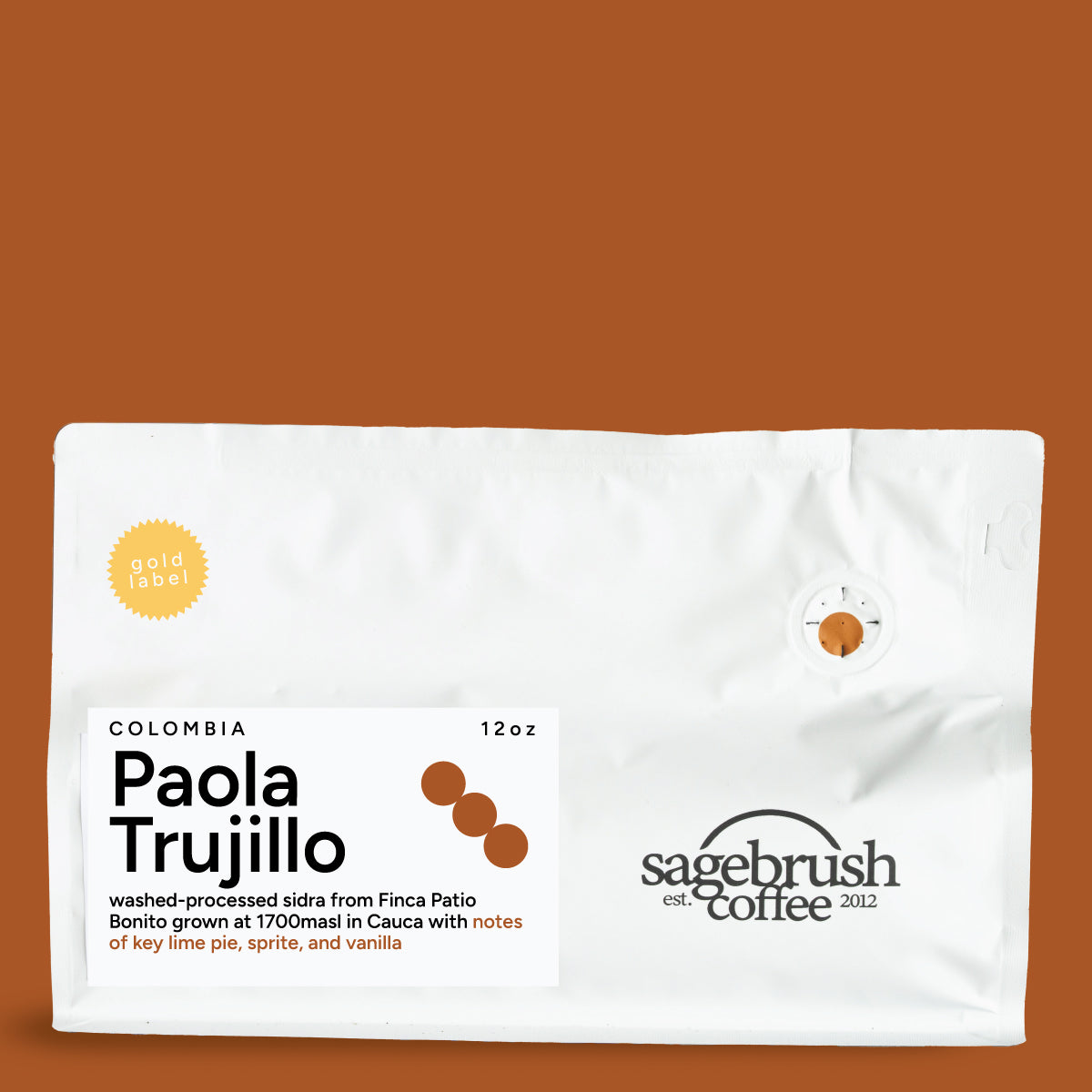
"This is a superb coffee that is very high-clarity and delicate. I love the muted citrus-y profile this provides while shying away from heavy acid. Much like key lime pie there’s an essence of citric acidity without any semblance of mouth-puckering reaction on the palate, it’s just sweet and tasty. For a washed coffee, this presents among the more complex and sweet profiles we have without needed heavy development in the roast. I feel like I’m saying this with every write up recently but this is one of my favs at the moment."

-Jonathan, Head Roaster

Processing Method

Washed Process- Washed processing is coffee's most common and reliable method. Through depulping, controlled fermentation, and thorough rinsing, this water-intensive process minimizes variables to produce clean, bright cups that showcase origin characteristics and variety.

Country

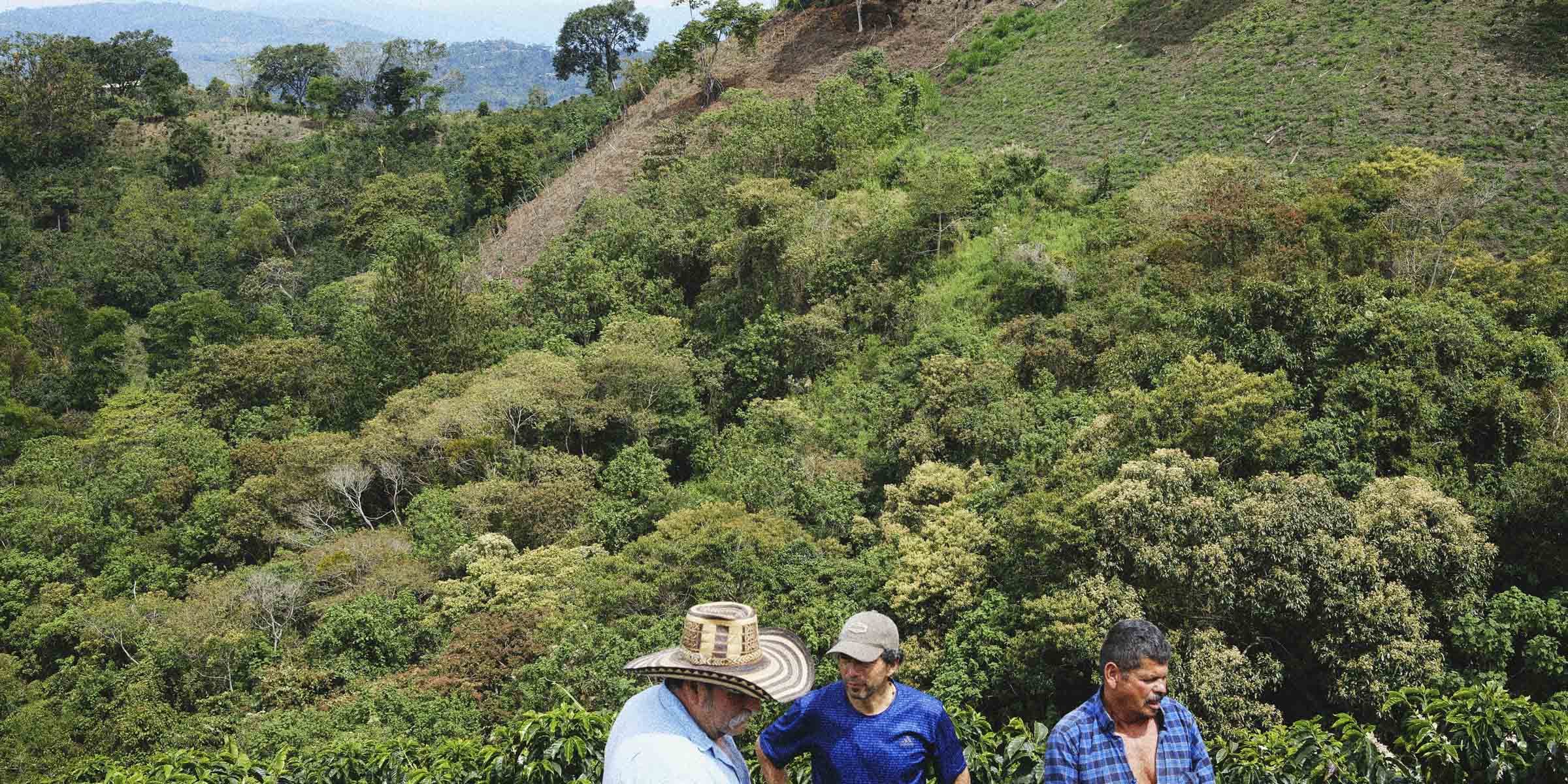
Colombia- Colombia exports over 12 million bags annually, making it the world's third largest specialty coffee producer. Perfect climate, mountainous terrain, and numerous microclimates create incredibly versatile coffee, from bold chocolate notes to bright fruity profiles, with smooth, balanced flavor.

Altitude

1700masl - Altitude is typically correlative to the potential complexity of a coffee bean. The higher in altitude the coffee is grown, the denser the bean will be, resulting in a more dynamic cupping experience.

Classification

Gold Label- Gold label coffees represent the most of what Sagebrush's mission is: direct relationships, readily available, reasonable mid-tier pricing, and an excellent cup profile. This is our company standard, the coffees we're drinking on a daily basis here at the shop.

Variety(s)

Sidra

All about the coffee

Meet Paola & Carlos Trujillo

Father-daughter team Carlos & Paola Trujillo bring together 50 years of farming wisdom and modern innovation at Finca Patio Bonito in Cauca, Colombia. Their 11-hectare farm grows 13+ varieties with a focus on education, sustainability, and community development.

Learn More About Paola & Carlos Trujillo

Sidra

If you've spent any time looking at specialty coffee, you've probably started noticing a few names that show up again and again: Bourbon, Typica, Caturra, Gesha... and lately, Sidra.

Sidra has become increasingly popular in specialty coffee, particularly in Ecuador and Colombia. It's known for producing coffees that are sweet, floral, and fruit-forward, and when it's grown and processed well, it can make for a pretty unforgettable cup. But unlike some of the more established coffee varieties, Sidra has a bit of a mysterious backstory.

Sidra Variety: A New Favorite in Specialty Coffee

Washed Process

In the washed process, a machine removes the cherries’ skin and pulp, and the remaining beans are left to ferment in water. It’s by far the most common way coffee is processed—but makes this method so popular?

Washed Process

Colombia

The country of Colombia (not Col-um-bia) boasts some pretty extraordinary claims to fame.

It is the world’s leading exporter of emeralds–exporting 70-90% of the world’s supply. It is the world's second most biodiverse country–with more species of bird than in Europe and North America combined. It has the world's tallest palm trees (up to 200 feet tall!) and the world’s most colorful “rainbow” river (Caño Cristales).

It is also the third largest producer of specialty coffee in the world, preceded only by Brazil and Vietnam. But it didn’t arrive at that place overnight.

Coffee Terroir Guide: Colombia's Versatility & Complexity