Shop Coffee Beans by Flavor Profile
There are a wealth of factors that affect the flavor profile of a coffee, and each of those factors are meticulously carried out by those at origin. In these collections, we celebrate some of the staple flavor profiles that we see come into our shop and hopefully help you narrow down what exactly you're looking for in your cup at home.

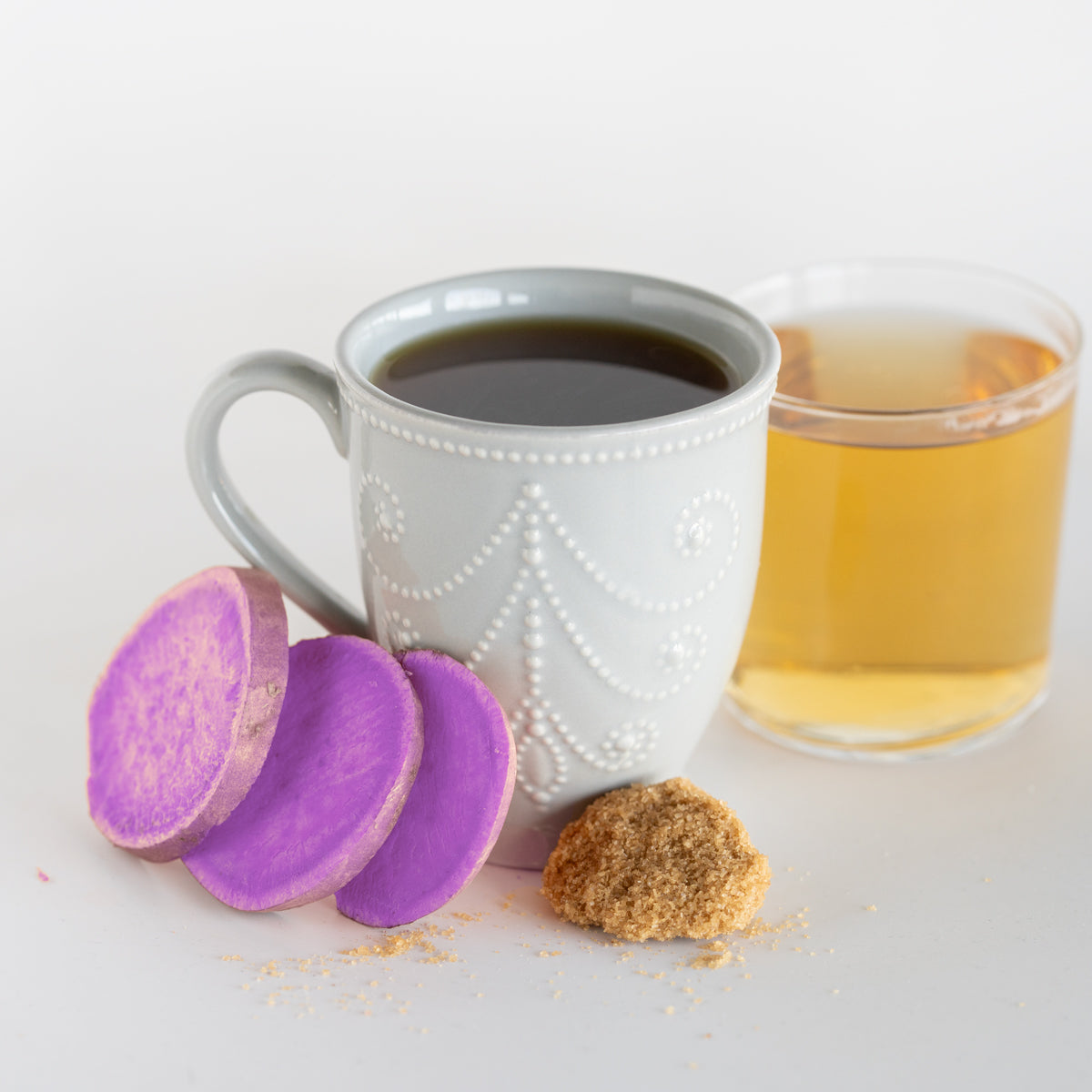
What do we mean when we describe one of our coffees as “smooth and chocolatey?”
Smooth
When we describe a coffee as smooth, we’re talking about how easy and enjoyable it is to drink. Smooth coffees are typically full-bodied, accompanied by a rich and satisfying mouthfeel. It also helps to define flavor profiles by what they’re not, smooth coffees aren’t overly acidic or bitter. Instead, they’re well-balanced, comforting, and pleasant to drink from the first sip to the last.
Chocolatey
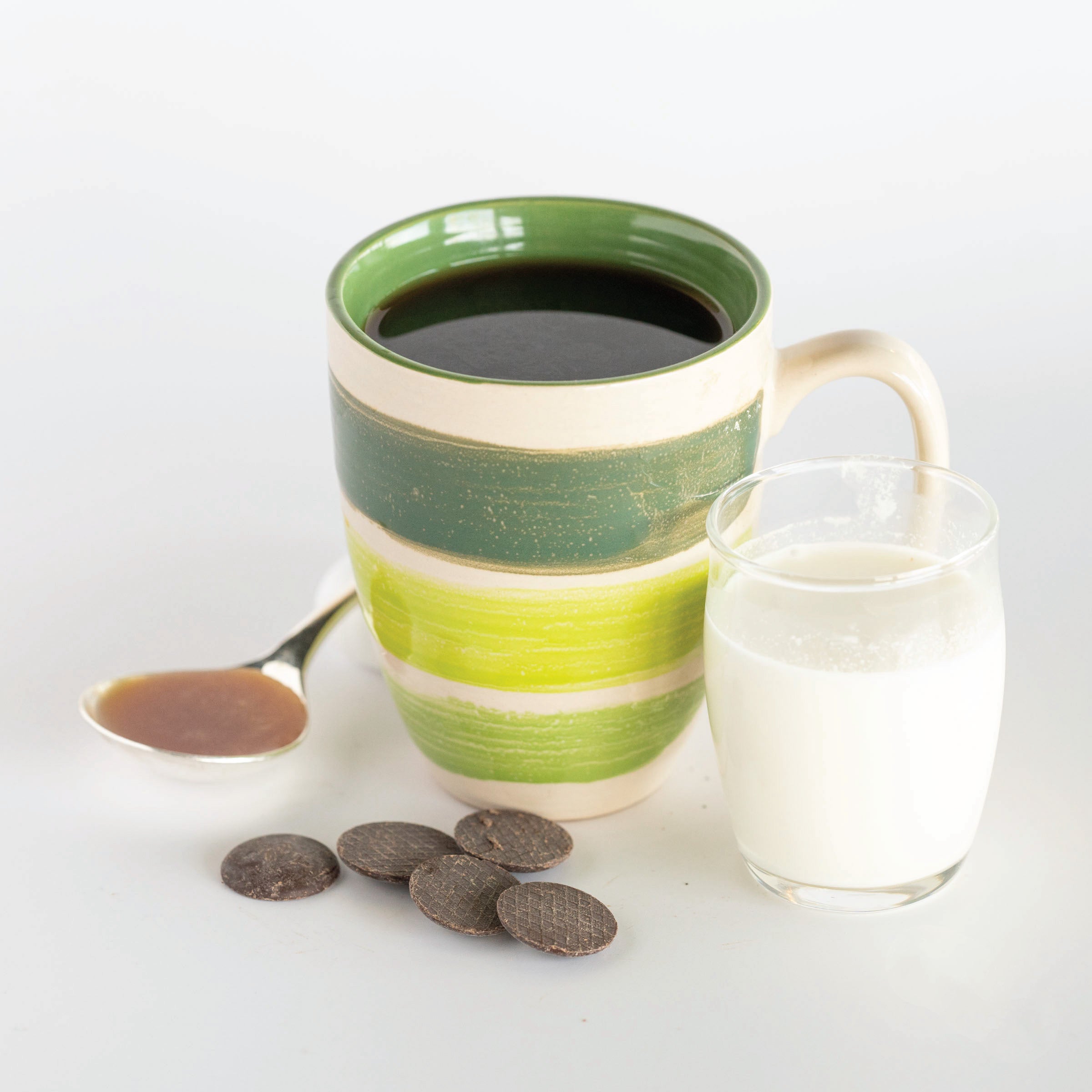
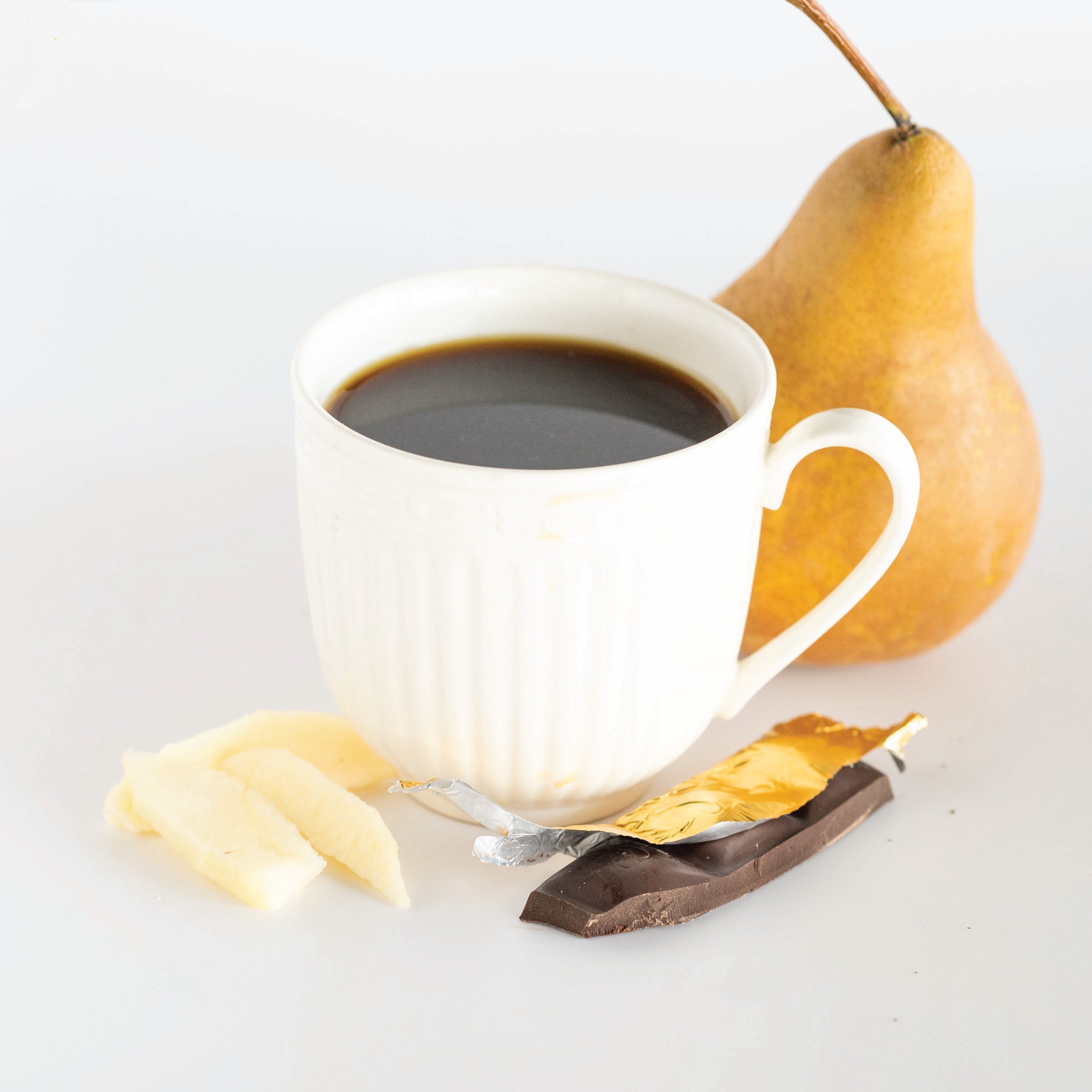
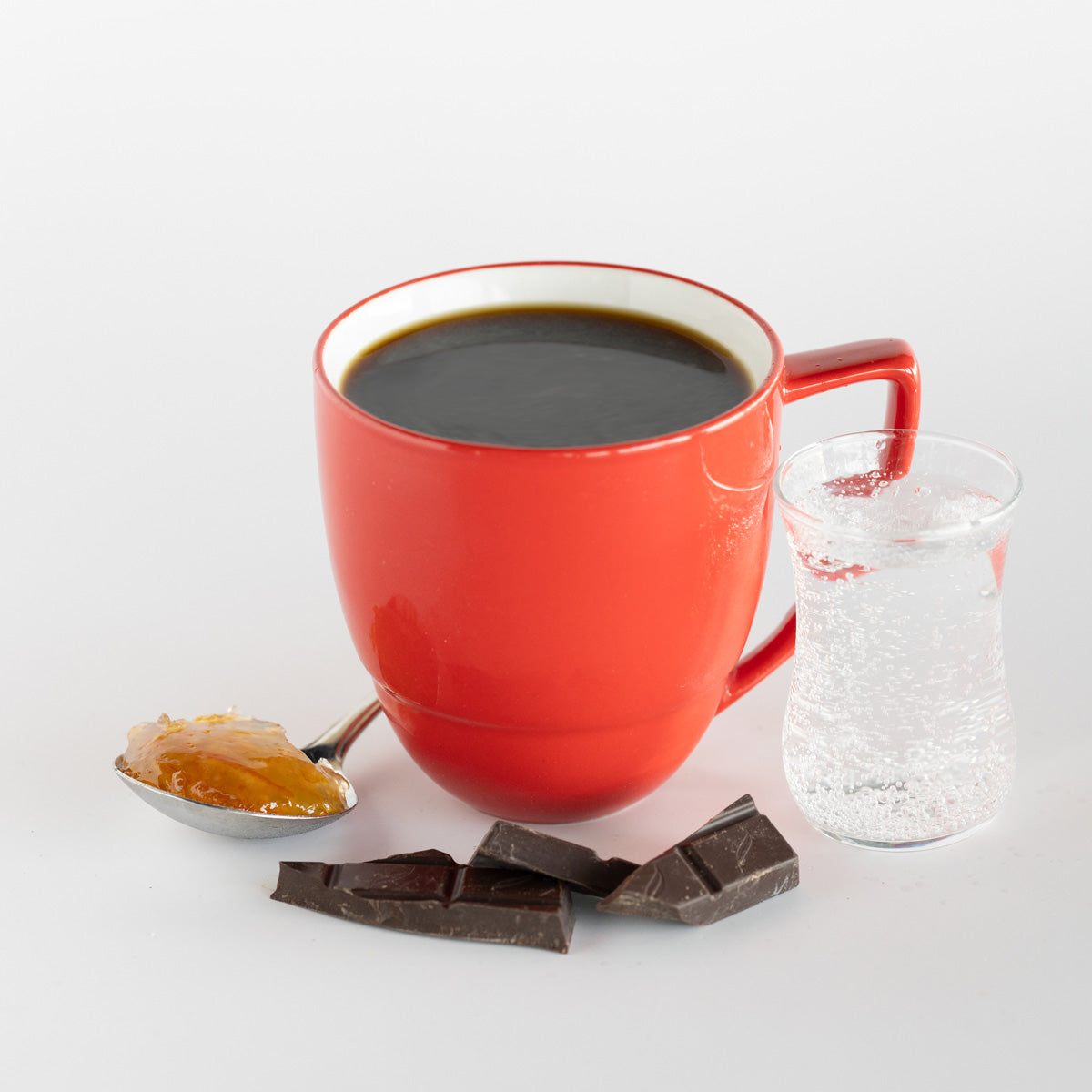
When we describe a coffee as chocolatey, we don’t mean it tastes like a Hershey’s bar. Instead, we’re referring to the rich, familiar notes that make up what many think of as the “classic coffee taste.” We then break things down even further based on the level of sweetness, as well as its texture. A coffee with a creamier body and more sweetness we would call milk chocolate, while one with earthier tones and less sweetness we would call dark chocolate or cocoa.
So, What Makes a Coffee Chocolatey?
As we said, there are countless variables that influence a coffee’s flavor profile, but many of them come into play long before the coffee makes it into your cup. Three of these variables are origin, varietal, and processing method.
A coffee’s origin is where it’s grown–such as a farm, a region, a country. In the coffee world, much like in wine, we often use the term terroir. If origin is the “where” it’s from, terroir is the “why” it tastiest the way it does. It refers to the natural environmental factors, like climate, elevation, soil type, and surrounding flora, that shape how a coffee tastes. Everything from the altitude at which the coffee is grown to the average rainfall that occurred during that particular harvest will ultimately have an impact on the taste.
A coffee’s varietal is another key element. Just as wine has many types of grapes—like Merlot, Cabernet Sauvignon, or Pinot Noir—coffee has different varietals, such as Geisha, Typica, and Bourbon. Each varietal has its own genetic makeup, which brings out distinct flavor characteristics. The varietal a farmer chooses to grow has a significant influence on how that coffee will taste.
Once a coffee is harvested, a whole new set of variables comes into play, specifically, how it’s processed. Was it strip picked or selectively hand picked? Was it processed using the washed, natural, or honey method? Each of these choices can significantly affect the flavor of the final cup.
Chocolatey coffees are often the result of the washed process. In this method, the fruit of the coffee cherry is removed before the beans are dried. This allows the true character of the bean, and the soil it was grown in, to shine through, rather than being influenced by the sweetness or brightness of the fruit. As a result, washed coffees tend to be less fruit-forward and more likely to develop nutty, cocoa-like flavors. While there are always exceptions, our smoothest and most chocolatey coffees are typically washed.
The world of single-origin coffee offers an incredible diversity of flavors, smooth and chocolatey is just one small corner of a much larger, exciting landscape. We are proud to offer some truly exceptional coffees in this category that are bold, delicious, and consistently some of our best sellers. Not only that, we work directly with many of these coffee farms and producers which not only gives us further insight into the coffee growing process, but a deeper connection to the people and places where it is grown.
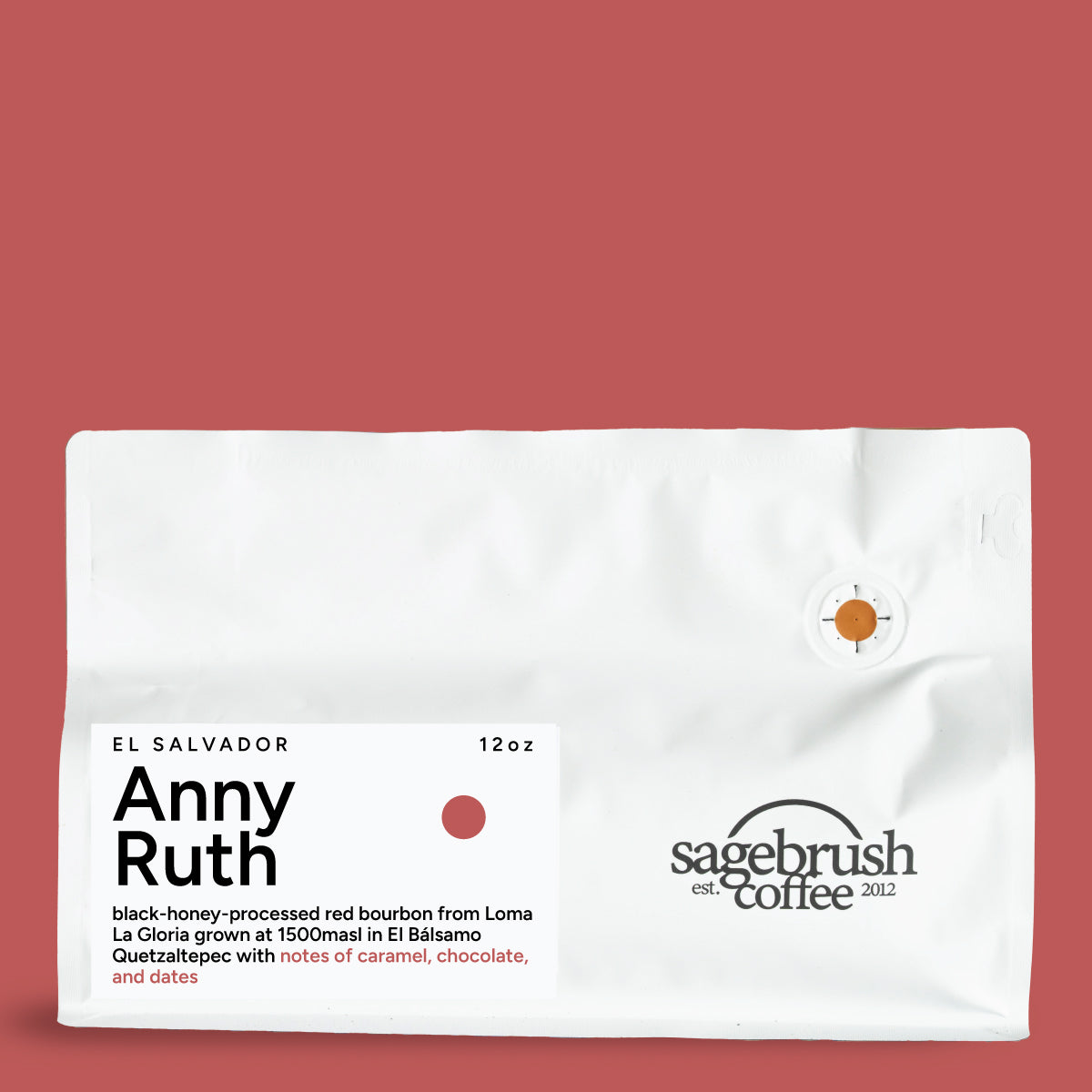
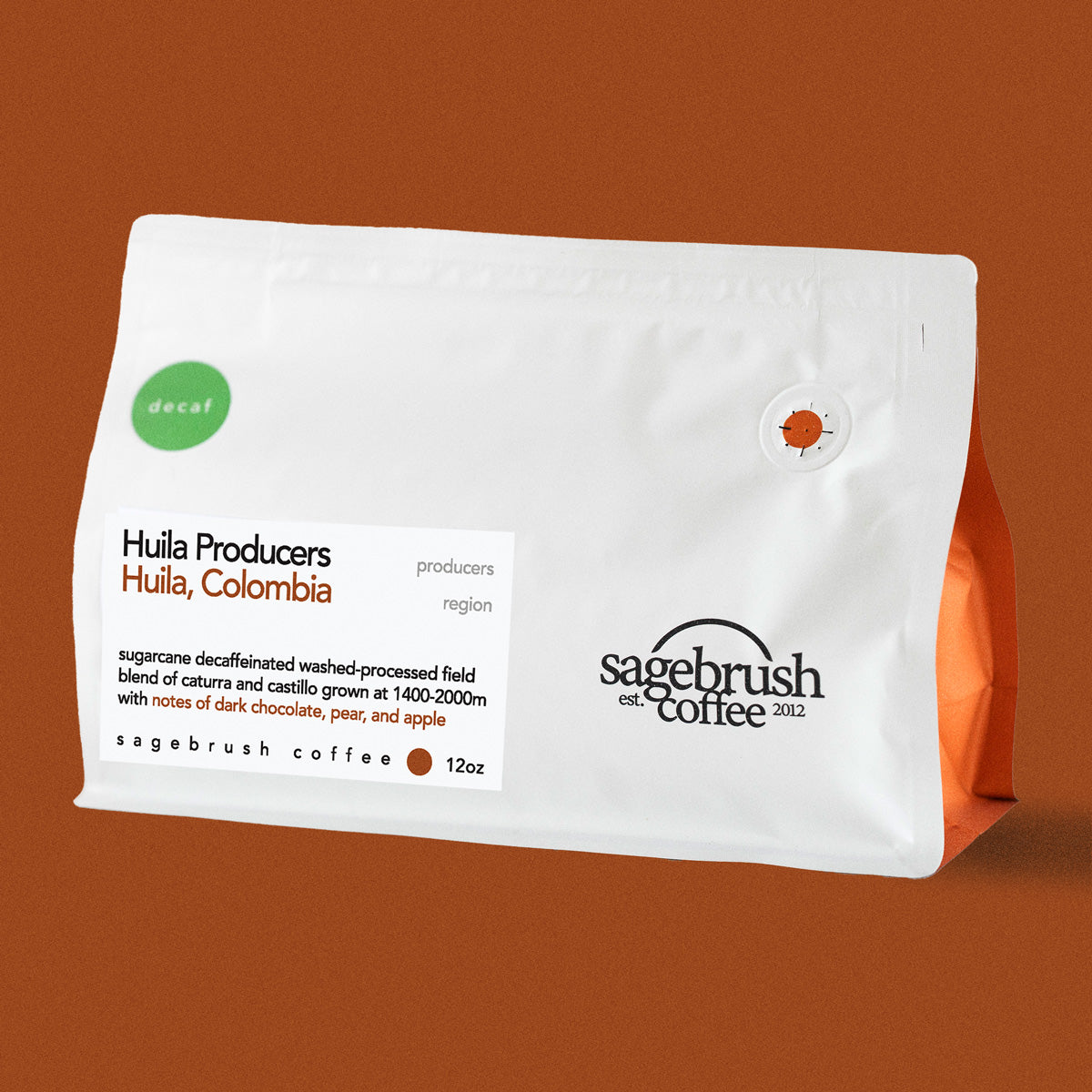
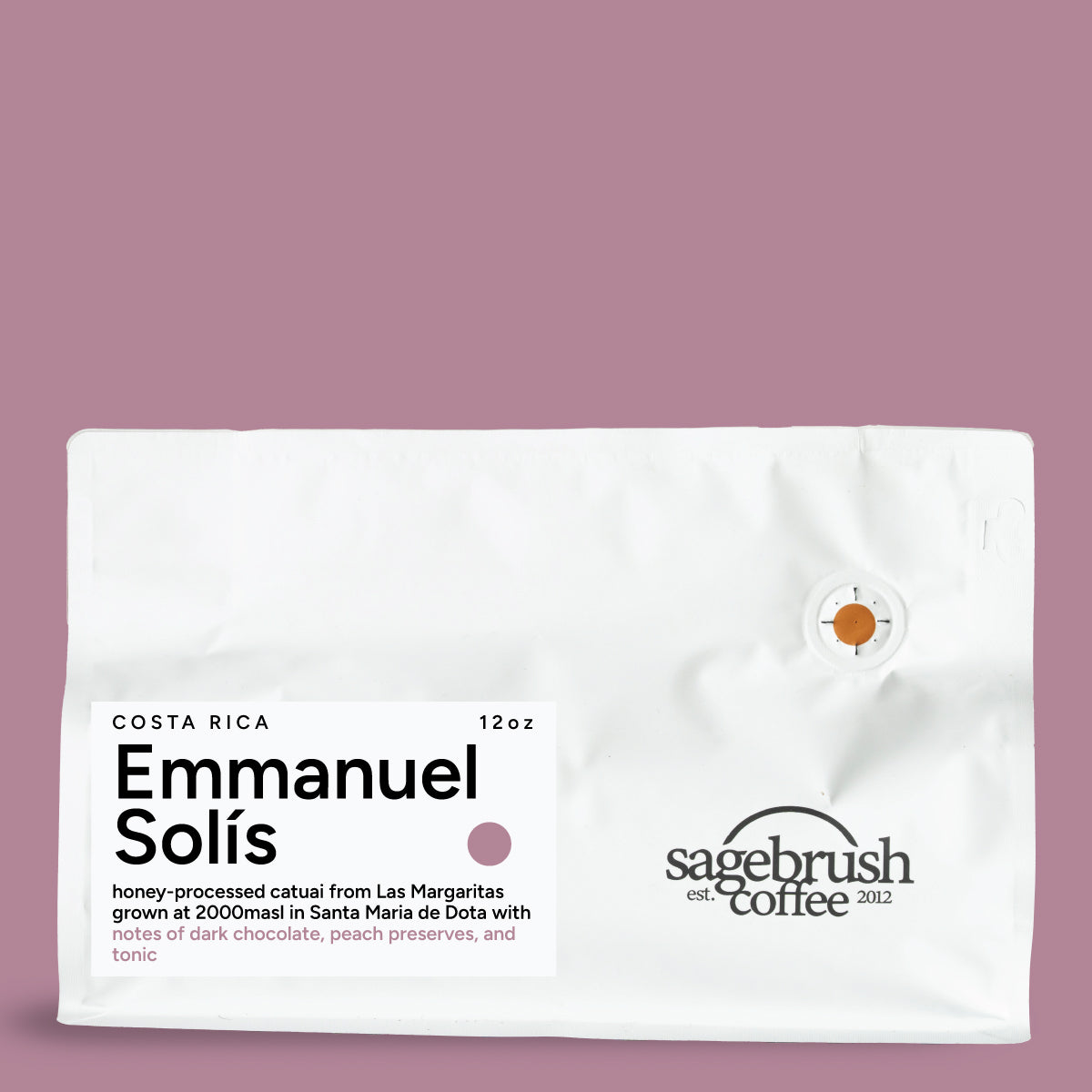
buy smooth & chocolatey coffees now:






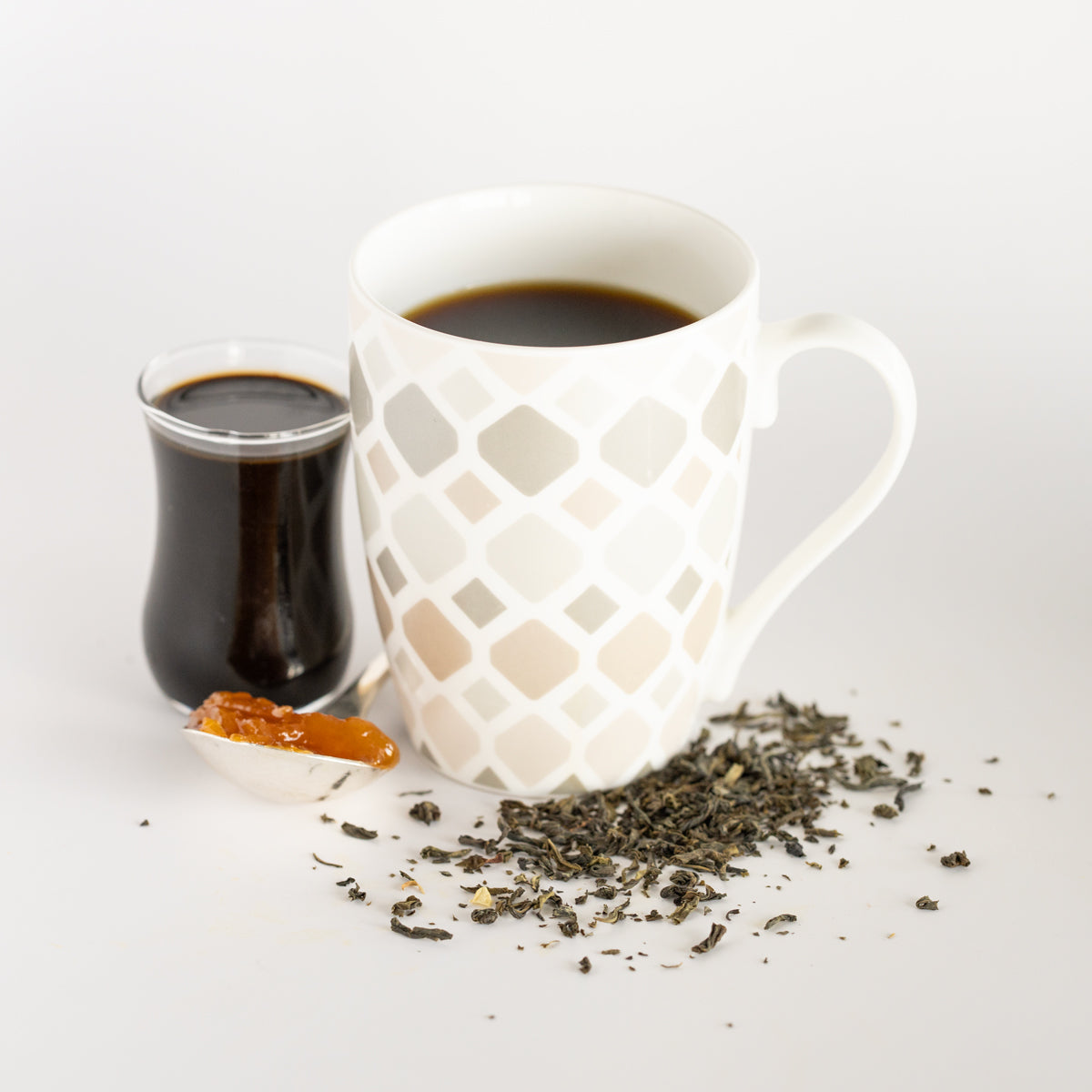
What do we mean by Bright and Fruity flavor profile?
Bright
When we describe a coffee as bright, we’re talking about a cup that has a well-balanced, prominent acidity to it. Rather than overwhelming the cup, it enhances it, and elevates the flavors around it. A bright coffee will often have a vibrant, clean flavor profile as opposed to an earthy flavor profile or a chocolatey one.
Fruity
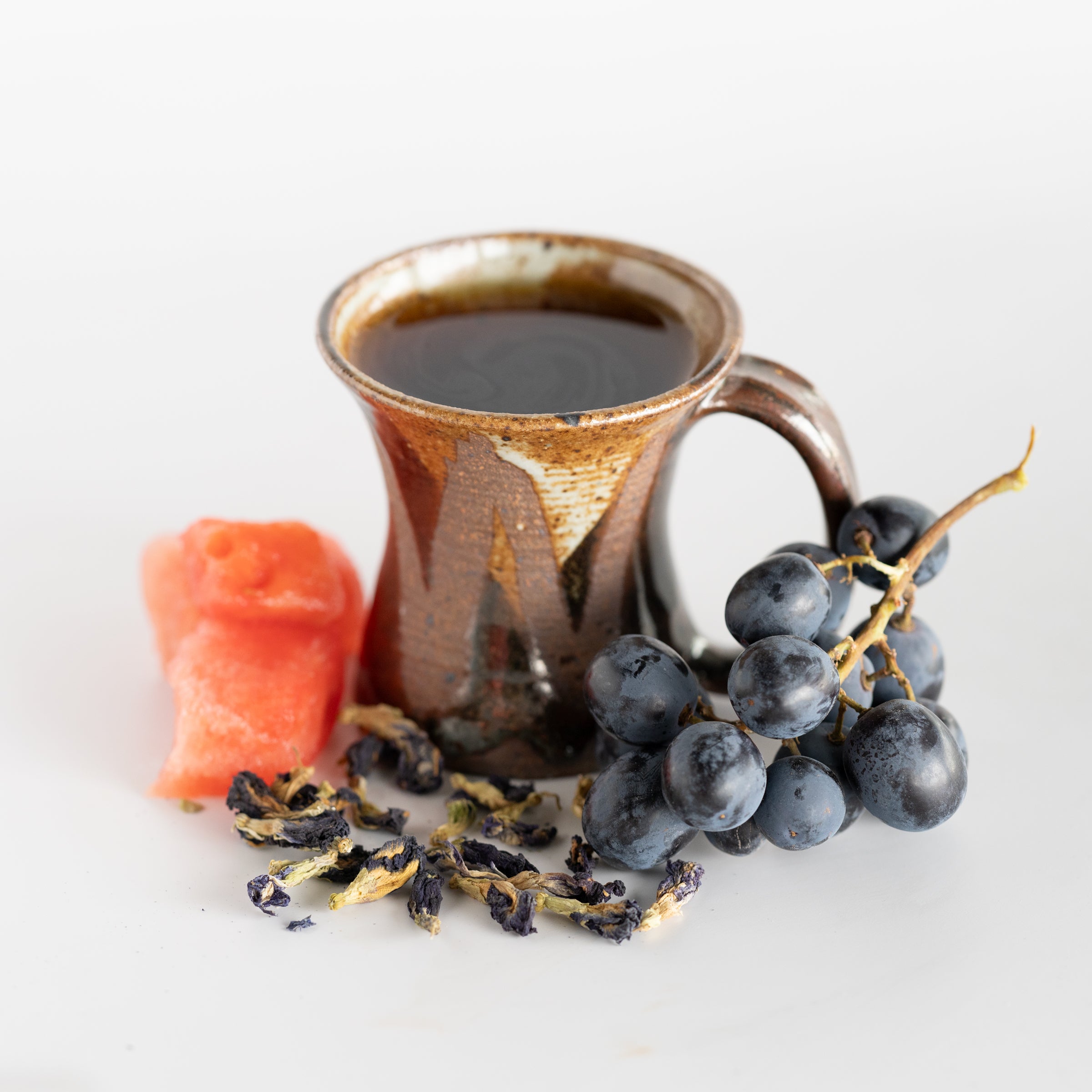
When we describe a coffee as fruity, we don’t mean it has actual fruit in it. Rather, it’s marked by fruit-forward aromas and tastes. There’s a wide range of notes that can emerge in this profile, anything from berries, stone fruits (like plums, peaches) or citrus (like grapefruit, oranges) to tropical fruits (pineapple, mango) and even dried fruits (raisins or figs).
So, What Makes a Coffee Bright and Fruity?
There are numerous variables that go into how a coffee tastes, but when it comes to the bright and fruity flavor profile, a few of the more important ones are origin, variety, processing method, and roast level.
A coffee’s origin is simply where it’s grown. In the coffee world, like in the wine world, we use the term terroir. If origin is the “where” the coffee is from, terroir is the “why” it tastes the way it does. It refers to things like climate, elevation, and soil type that shape how a coffee tastes. Elevation in particular plays a big role in producing bright and fruity cups of coffee. Beans grown at a higher elevation tend to have brighter acidity in the cup because the cooler temperatures in those climates slow the growth of the bean, making it more dense and allowing more time for complex sugars to develop. Additionally, there are some regions whose terroir is known to produce distinctly fruity and bright coffee, such as Ethiopia and some regions in Central America.
A coffee’s varietal also greatly impacts taste. In the same way wine has different varieties of grapes (Merlot, Cabernet Sauvignon, Pinot Noir), there are different varieties of coffee plants (Geisha, Typica, Bourbon) with their own distinct flavor characteristics. For example, the Geisha variety is known to consistently produce bright, floral, or fruity notes.
And then there’s the processing method. Is it a washed coffee? A natural? A honey processed coffee? Bright and fruity coffees can actually be produced by all three of these methods. A natural processed coffee will impart more fruitiness into the bean since it’s dried with its fruit still wholly on. A washed coffee will be pleasantly acidic because with the fruit washed off, the natural brightness of the terroir shines through. A honey processed coffee, since it's a hybrid between a natural and washed, can impart both fruitiness and acidity into the bean, as it has its fruit removed, but the sticky, sweet layer of mucilage left on as it dries.
Finally, when it comes to bright and fruity coffees, the roast level is super important. Light roasts are roasted at lower temperatures for a shorter time, thus preserving the bean’s original characteristics such as its acidity and fruitiness. Dark roasts degrade the cellular structure of the bean and impart flavors from the roasting process, thus overriding the original characteristics of the bean.
We are always on the lookout for some truly outstanding bright and fruity coffees.
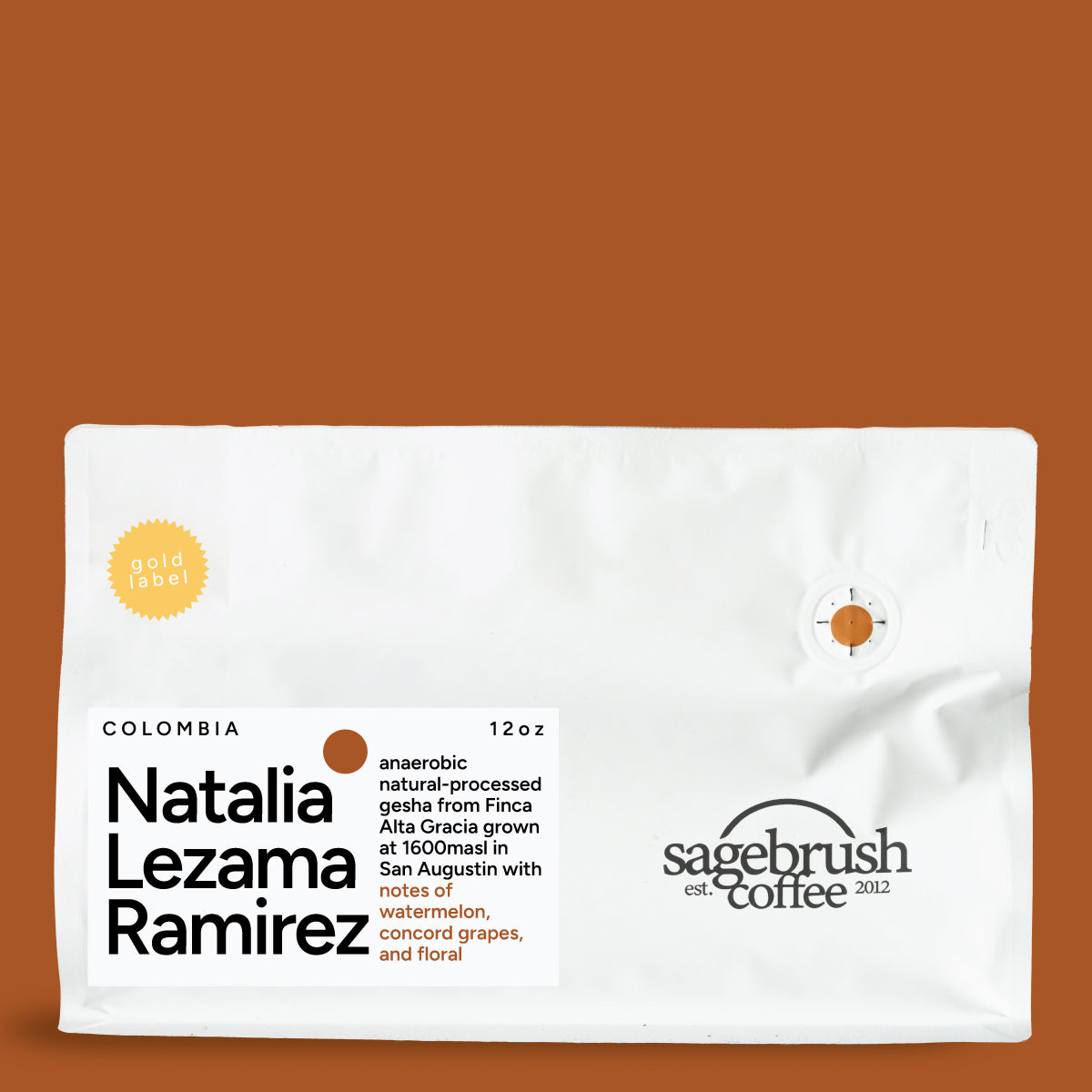
buy bright & fruity coffees now:
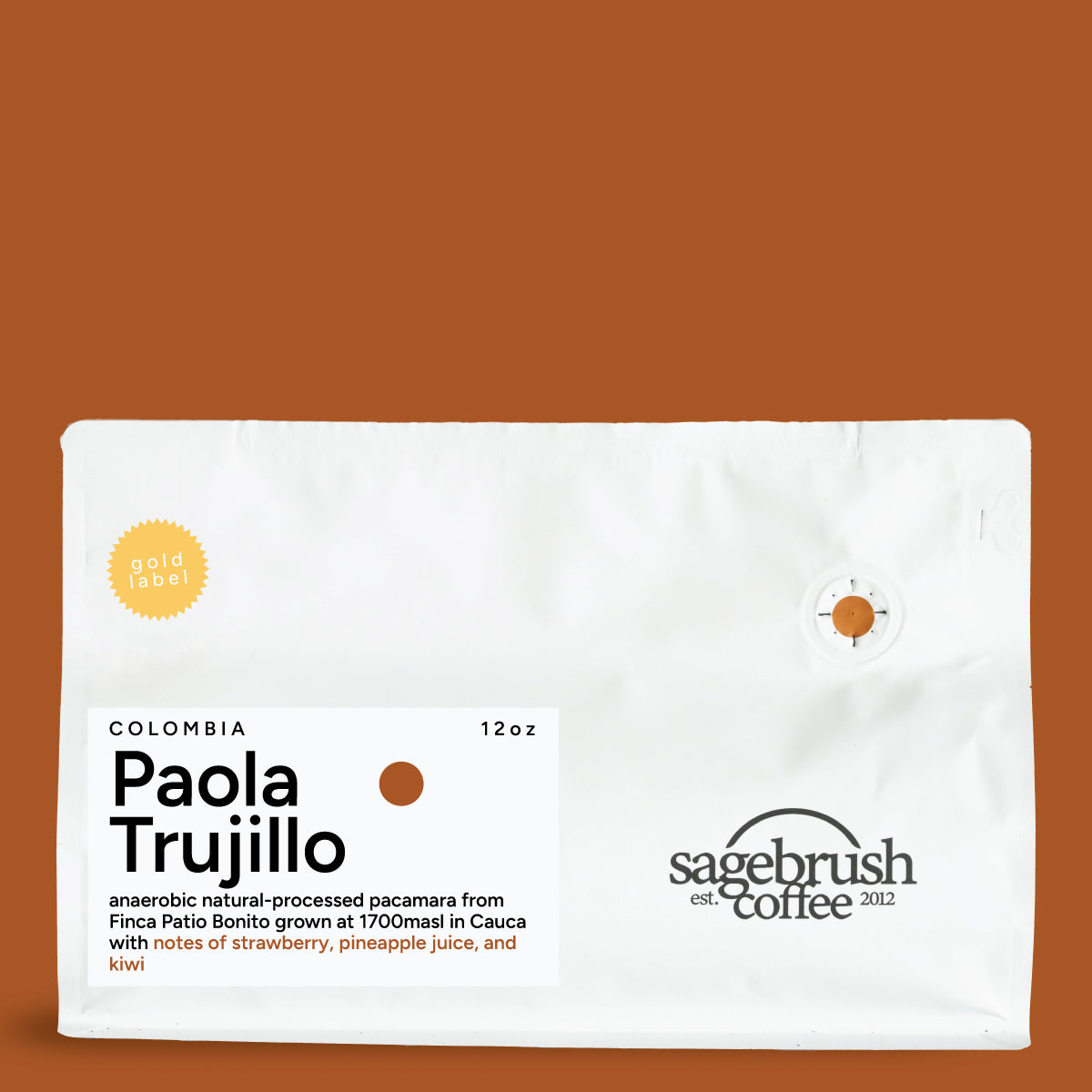

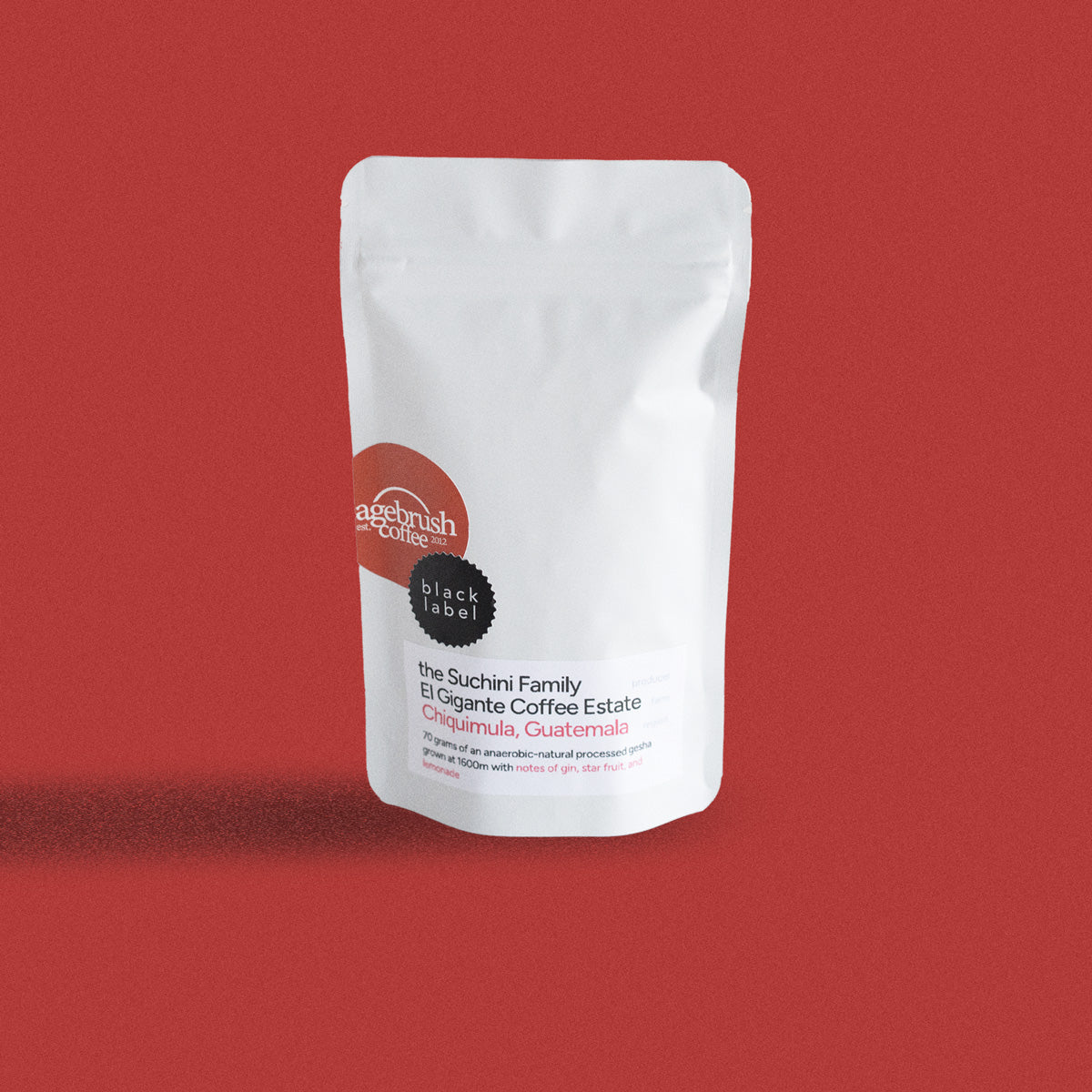
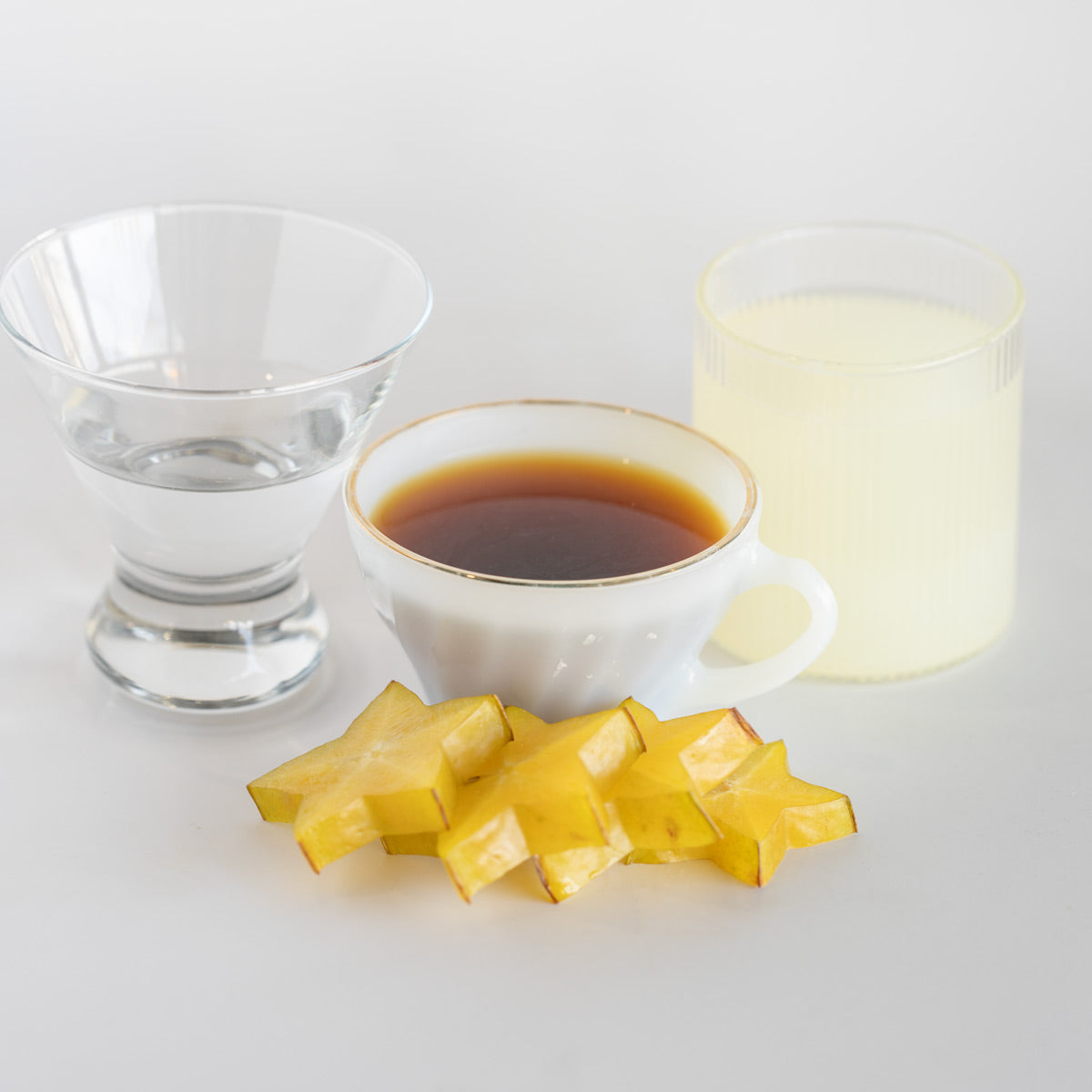
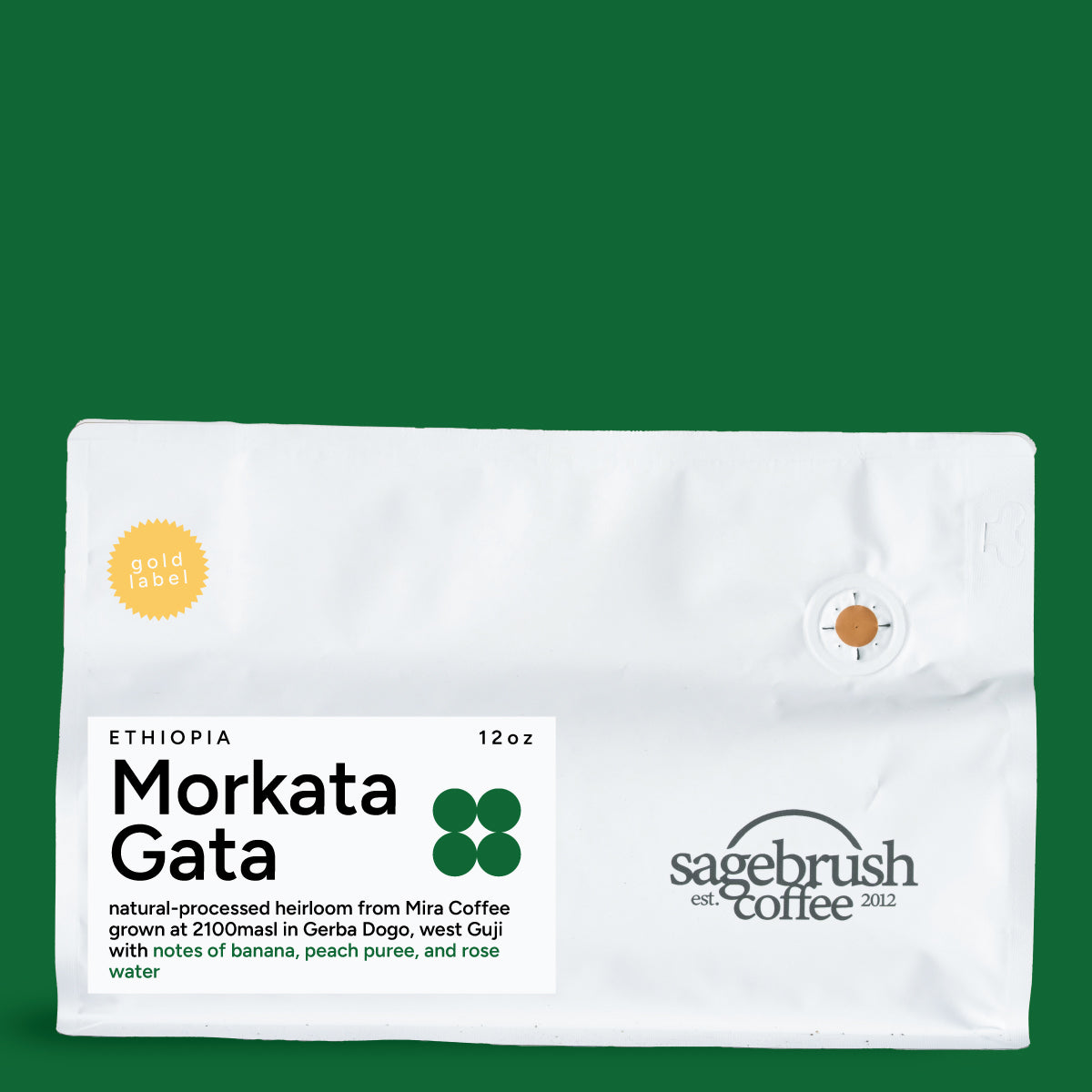
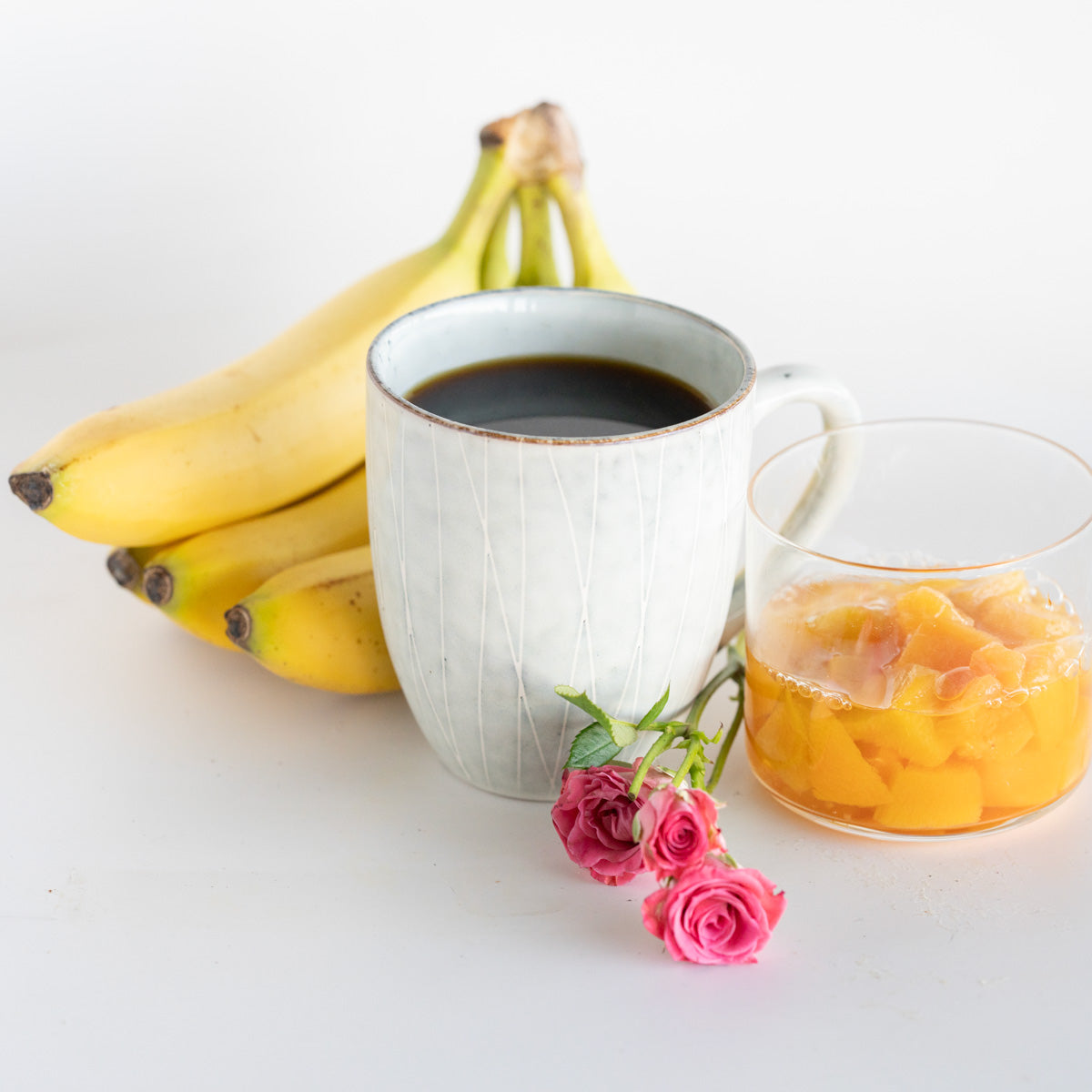
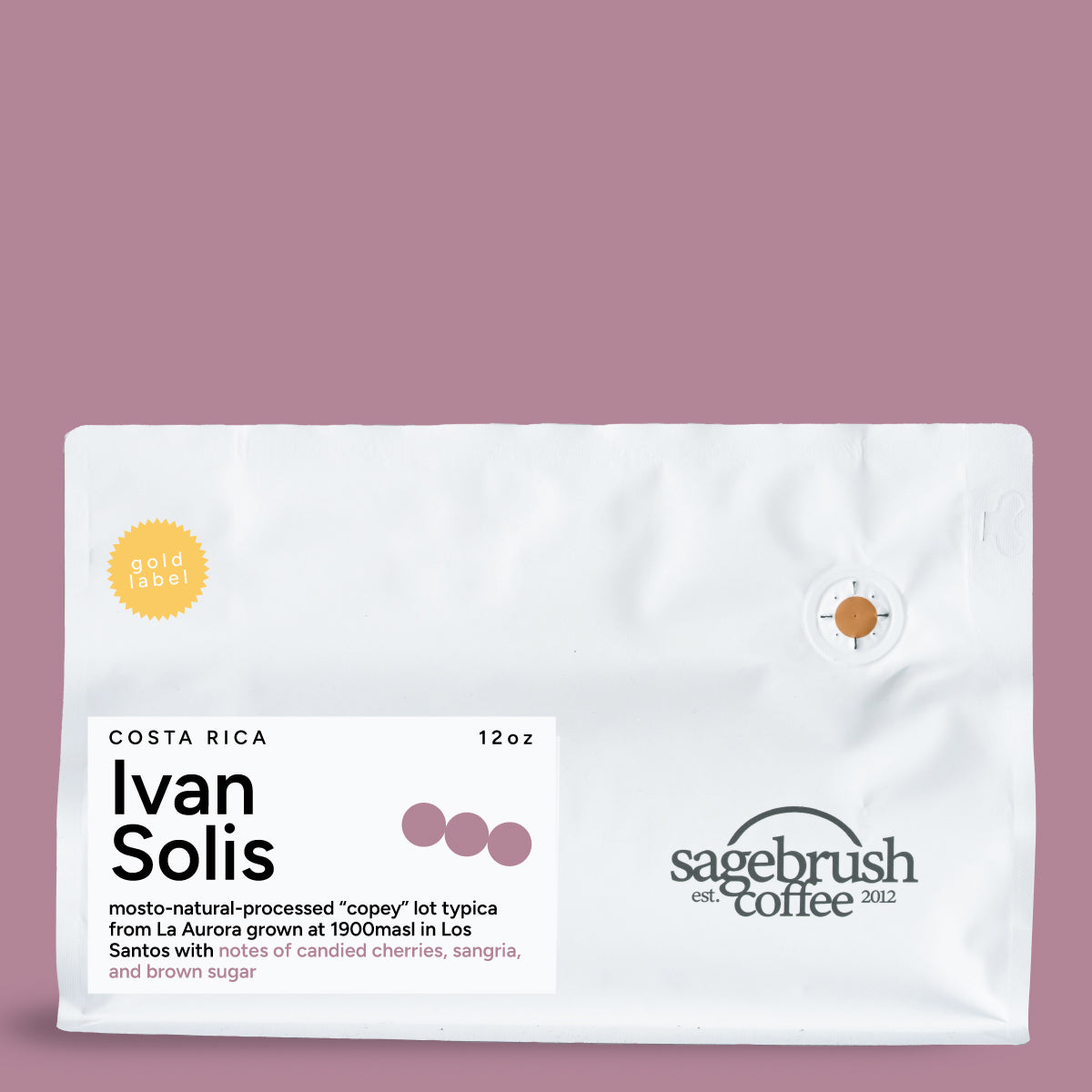
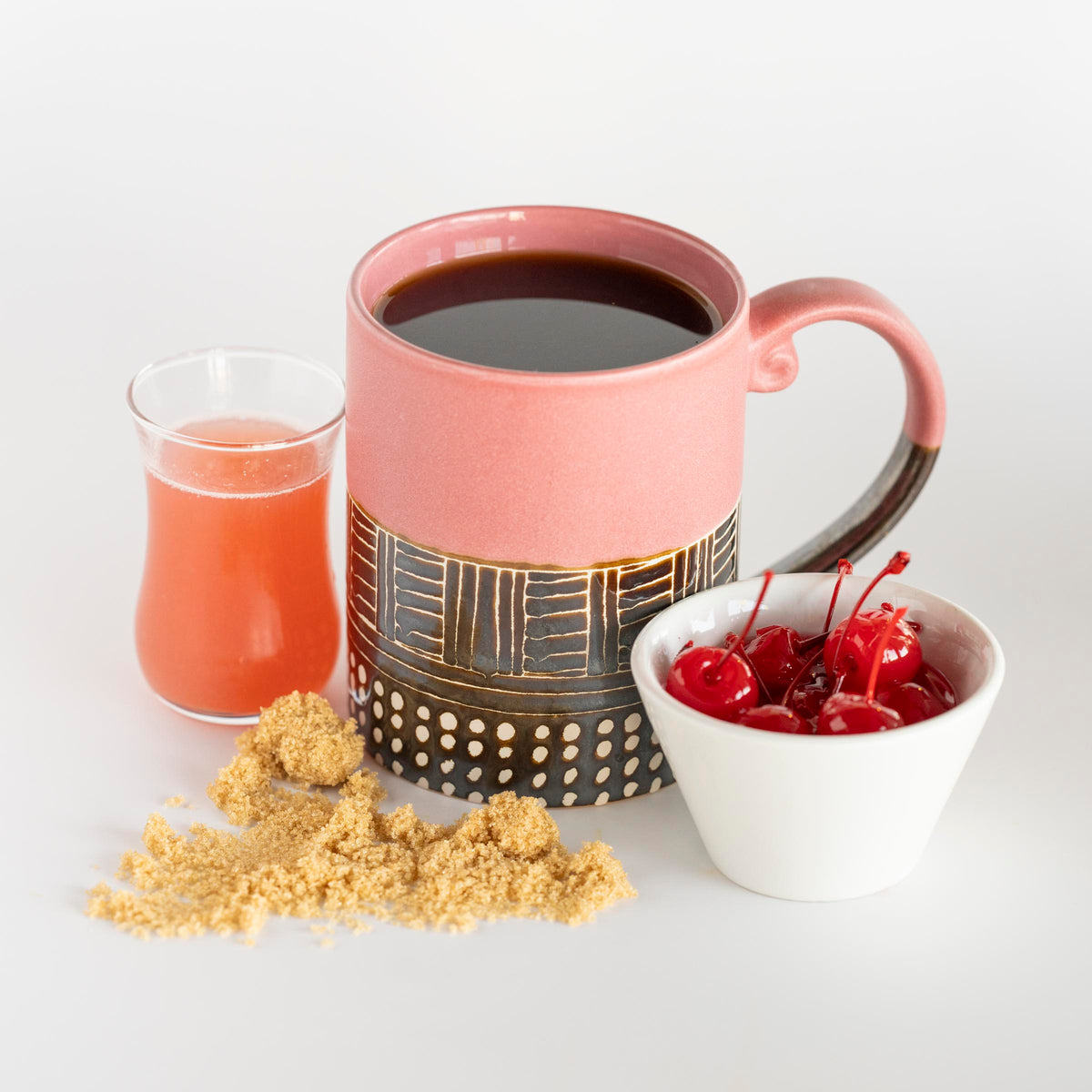

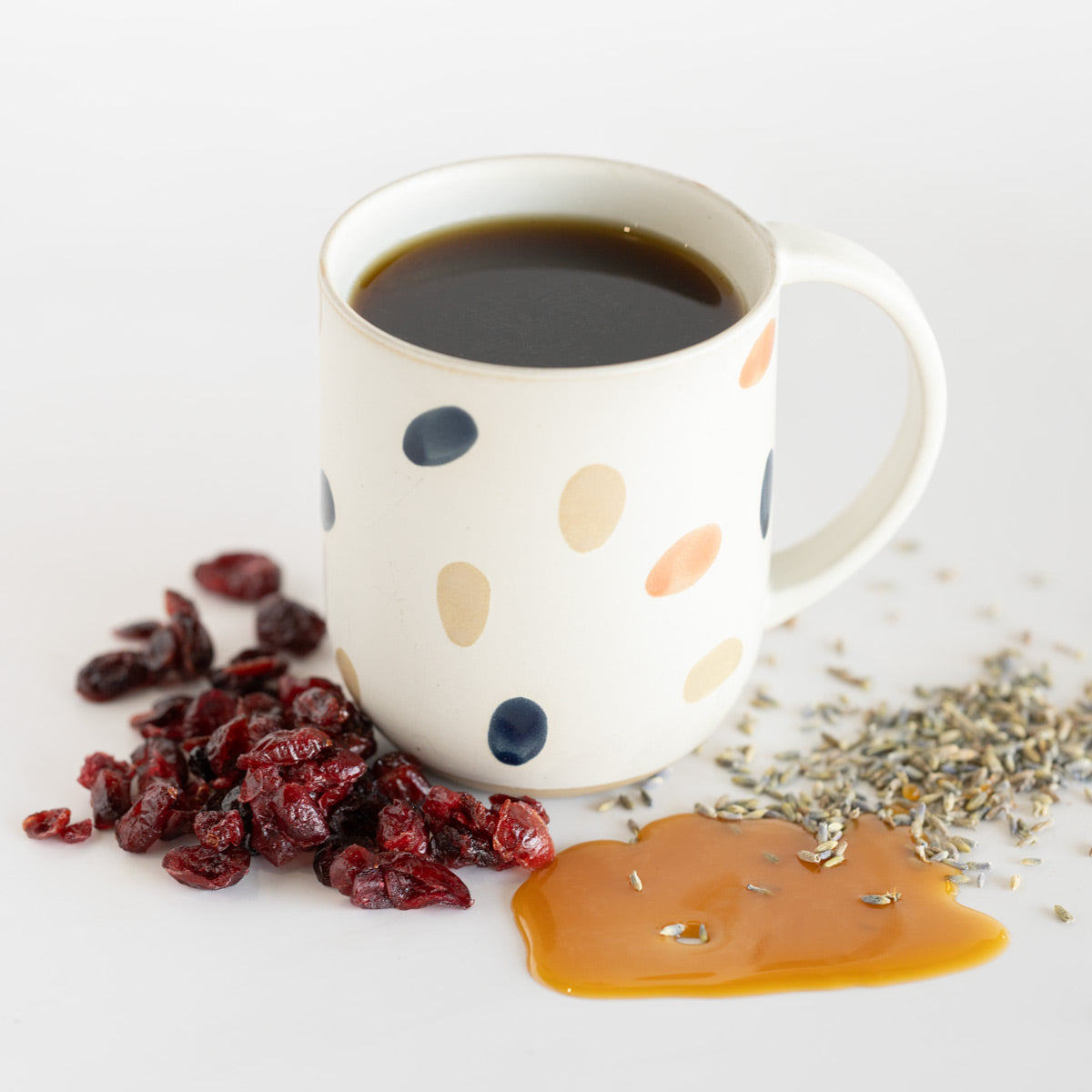
What do we mean by our flavor profile of “delicate and dynamic”?
Delicate
Delicate coffees are those whose flavor characteristics are much more deliciously subtle and nuanced than, say, a bold, chocolatey cup. Instead, both the tasting notes and acidity have a pleasant mildness about them. They’re typically well-balanced, with a lighter body. Notes associated with these kinds of coffees are usually floral, citrusy, sweet, or even tea-like.
Dynamic
Dynamic coffees, on the other hand, are usually labeled as such because of their unique and unusual flavors. They are often processed using non-traditional types of fermentation (anaerobic, etc.) that impart complex flavors. There might be an intense fruitiness or a surprisingly flavor like watermelon, stewed strawberries, or rooibos.
Combining these two categories together offers a coffee experience that is rich in contrasts, and complementary flavors.
What Makes a Coffee Delicate and/or Dynamic?
Origin, variety, terroir, and processing have a lot to do with the resulting flavor profile of a particular coffee.
Origin impacts the final product because depending on where the coffee is grown, it will carry with it certain flavor characteristics from that place, which we call terroir–basically, the natural environmental factors (climate, elevation, soil type, etc.) that shape how a coffee tastes.
A coffee’s varietal also matters because just as wine has different types of grapes (Merlot, Cabernet Sauvignon, Pinot Noir), coffee has different varieties (Geisha, Typica, Bourbon). Each varietal has its own genetic makeup, which imparts its own distinct flavor characteristics down the line.
Then, once a coffee is harvested, processing comes into play. Is it a washed coffee, a natural, or a honey processed? Each of these choices significantly affects the end result of the final cup.
Delicate and dynamic coffees are often the result of a combination of these variables.
Delicate coffees tend to derive much of their flavor from their varietal (i.e. Geisha coffees come to mind when it comes to having deliciously floral or lightly citrusy notes). Dynamic coffees, however, are often most impacted by their processing method. Coffee producers that experiment with non-traditional forms of fermentation seem to be leading the way in dynamic coffees. But we have also seen some really dynamic naturals as well.
Every few months, there seems to be a new method of processing that emerges to produce a really interesting coffee or a lovely new varietal that comes on the scene that is crisp and mild and pleasant. And we get to be the ones to introduce them to you!
We have some really stunning coffees in this category from producers and farms we work with directly.