

Coffee Varieties Guide •
Read our Coffee Varieties article
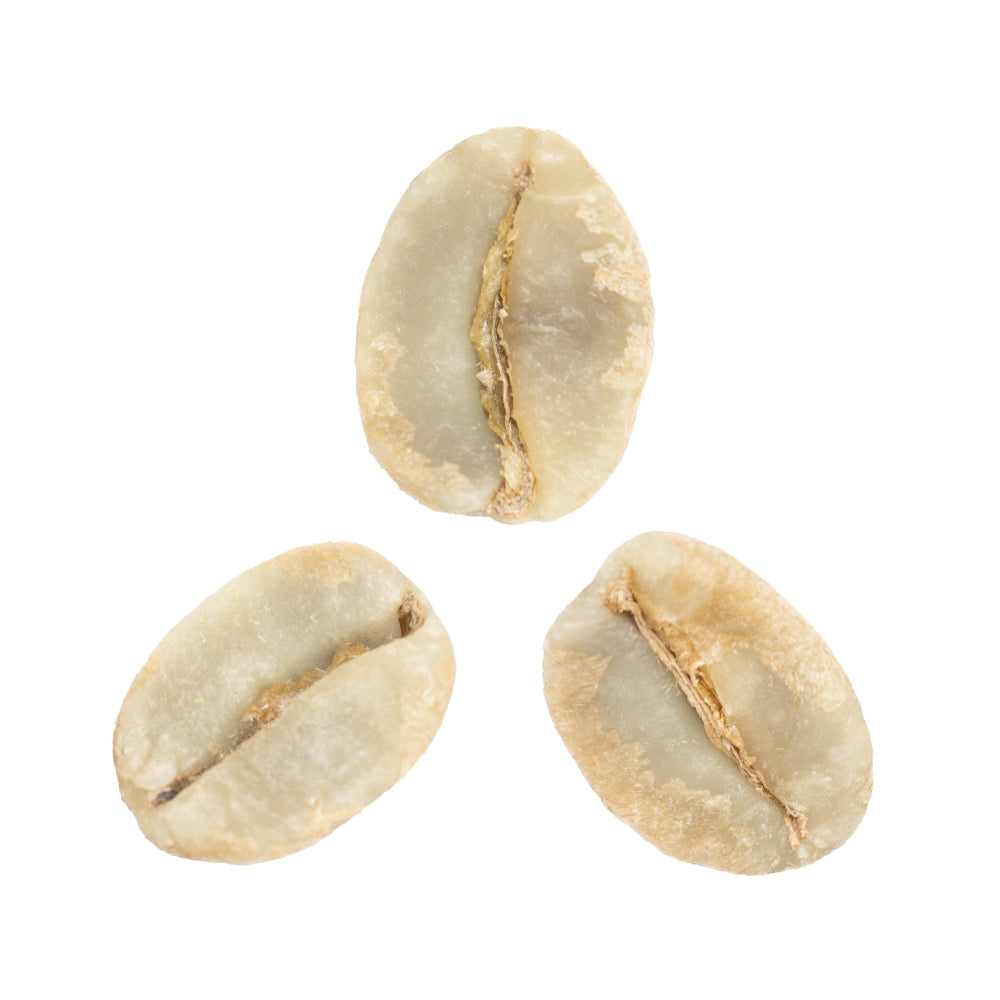
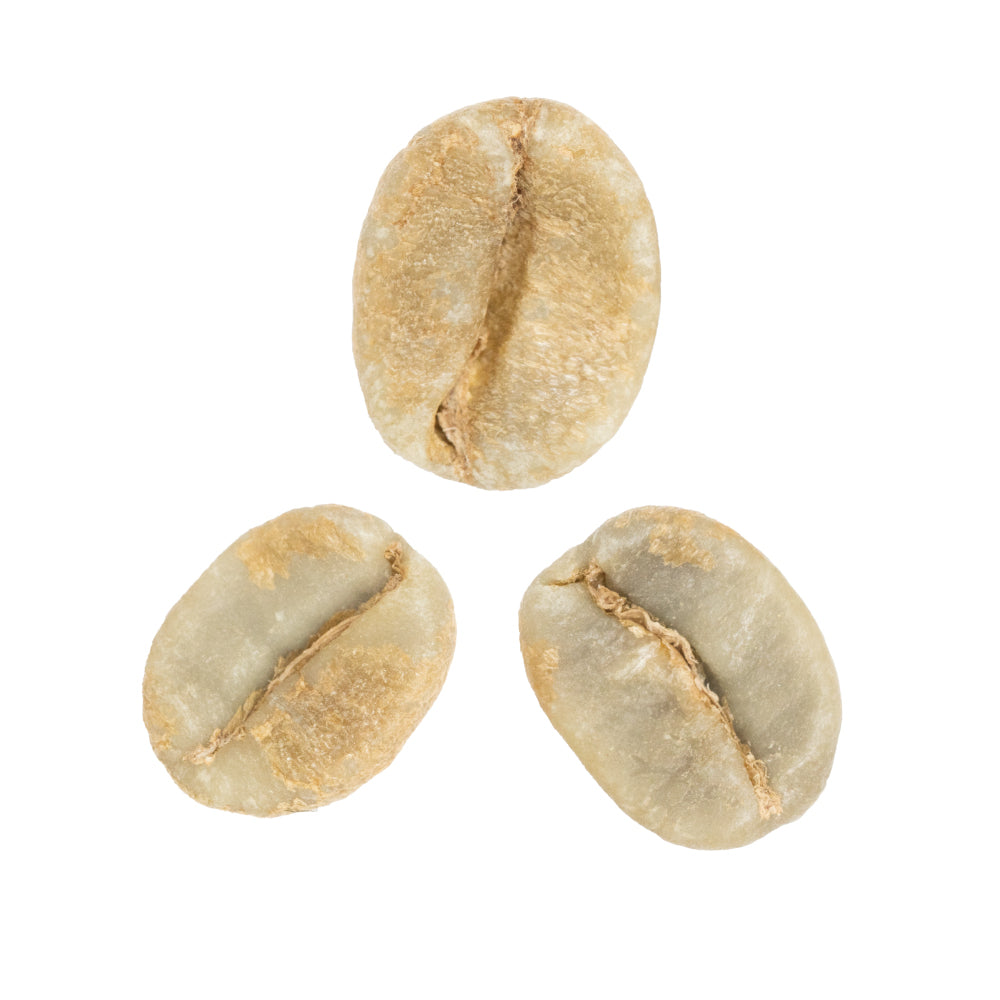
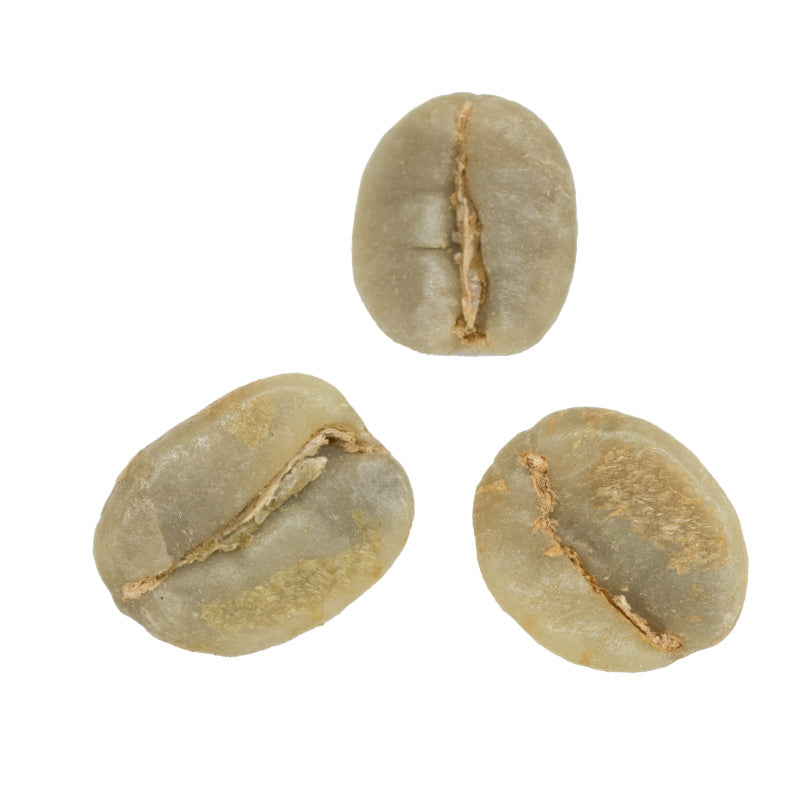
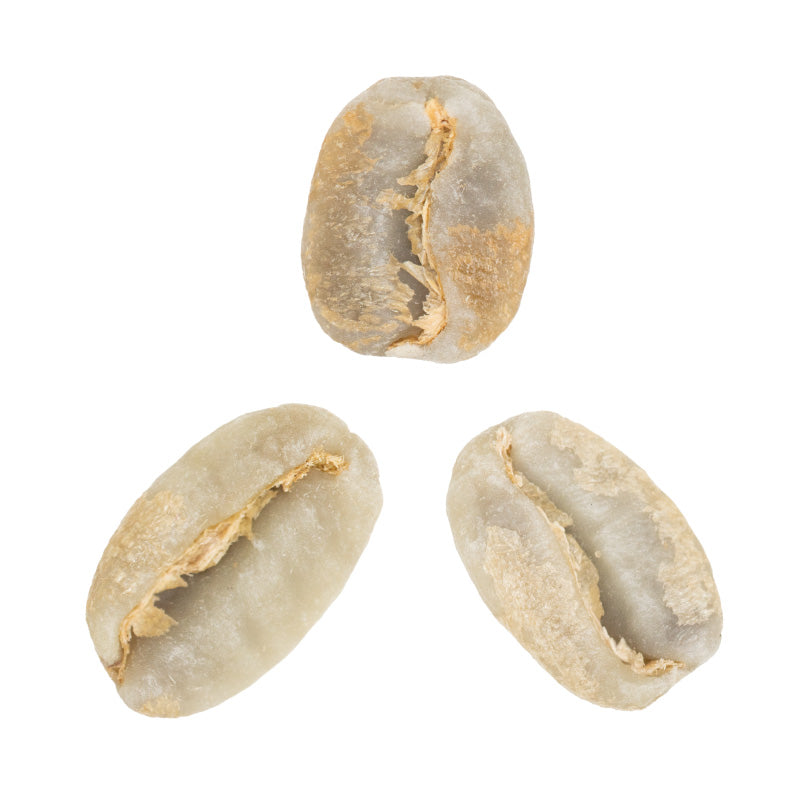
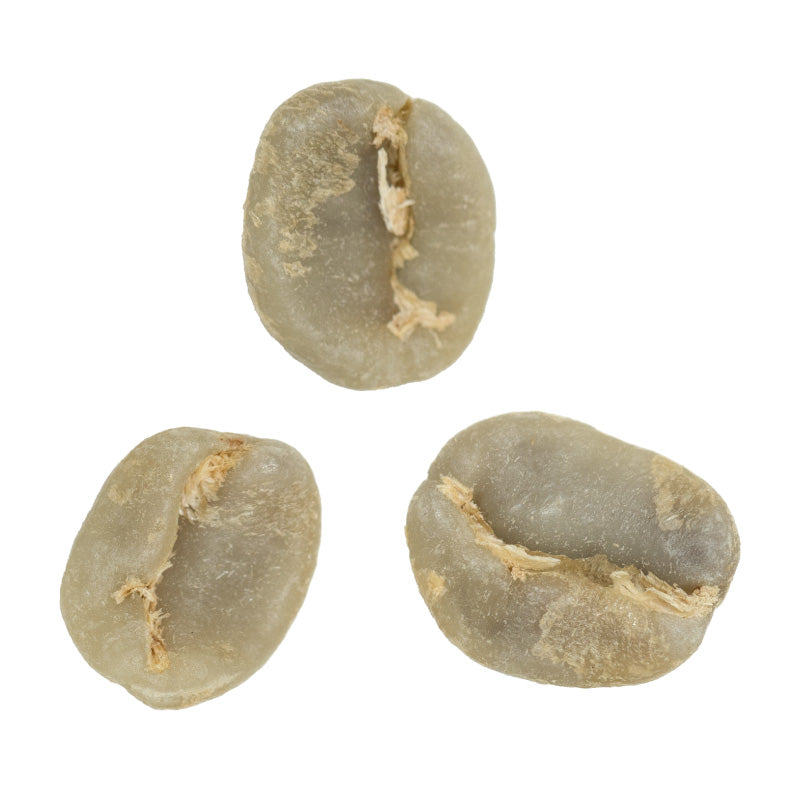
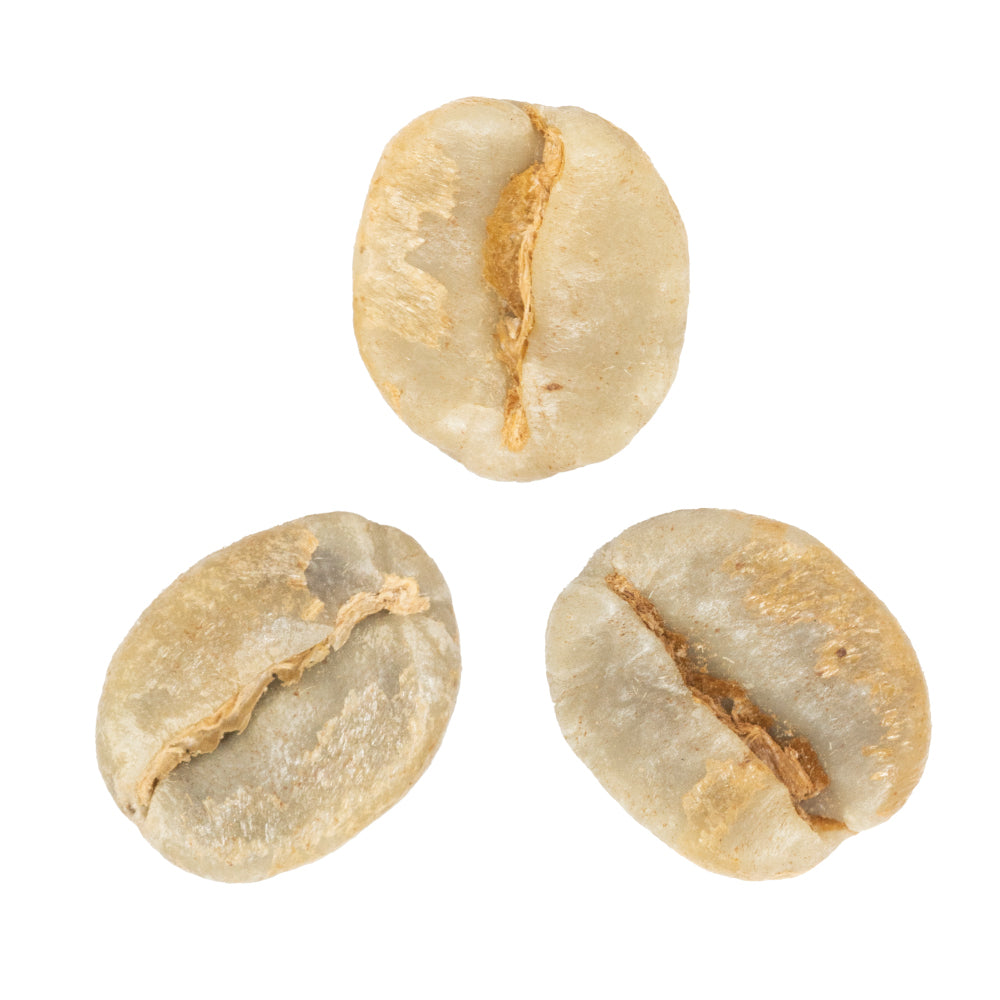
Coffee Variety Guide: Sidra Coffee Variety
If you've spent any time looking at specialty coffee, you've probably started noticing a few names that show up again and again: Bourbon, Typica, Caturra, Gesha... and lately, Sidra.
Sidra has become increasingly popular in specialty coffee, particularly in Ecuador and Colombia. It's known for producing coffees that are sweet, floral, and fruit-forward, and when it's grown and processed well, it can make for a pretty unforgettable cup. But unlike some of the more established coffee varieties, Sidra has a bit of a mysterious backstory.
So, Where Did Sidra Come From?
Sidra is generally associated with Ecuador, where it was selected from plants at a coffee breeding facility in the 1990s. From there, it made its way into the hands of Ecuadorian producers and eventually started showing up in other coffee-growing countries.
For years, Sidra was commonly described as a cross between Typica and Bourbon, two varieties that have played a huge role in the history of Arabica coffee. But more recent genetic research has complicated that story, finding that Sidra has similarities to Ethiopian coffee varieties. So while we have a pretty good idea of where Sidra became established, its exact genetic origins are still a little unclear.
And honestly, that's part of what makes it interesting. Coffee has a surprisingly complicated family tree, and Sidra is a good reminder that we still have plenty to learn about the varieties we're drinking.
What Does Sidra Taste Like?
This is where Sidra really shines. It's often associated with floral aromas, stone fruit, citrus, berries, tropical fruit, and plenty of sweetness. Some Sidras also have a delicate, tea-like quality.
One of the things we love about the variety is the combination of bright acidity and a silky body. It can be a lively, complex coffee without being difficult to drink. Of course, the variety is only part of the equation. Elevation, climate, processing, the producer, and roasting all have a huge impact on the final cup, so no two Sidras will necessarily taste alike.
Why Is Sidra So Popular?
There's a reason you're seeing Sidra more often. The variety has a lot of potential for exceptional cup quality and has become especially popular among producers in Ecuador and Colombia. It has also made appearances in coffee competitions, bringing even more attention to what the variety can do.
As producers continue experimenting with different growing and processing techniques, we're seeing just how much range Sidra has. One coffee might be delicate and floral, while another is packed with tropical fruit and sweetness.
Sidra: One to Watch
Sidra may not have the hundreds of years of history that varieties like Bourbon and Typica do, but it has quickly become one of the varieties we get excited to see.
Its combination of sweetness, florals, fruit-forward acidity, and silky body can make for some seriously memorable coffees. And as we continue learning more about where Sidra came from and what it can do, we're pretty excited to see where it goes next.
Explore Coffees
Deep Dive Into Specific Coffee Varieties