

Quick Guide

What is this coffee?

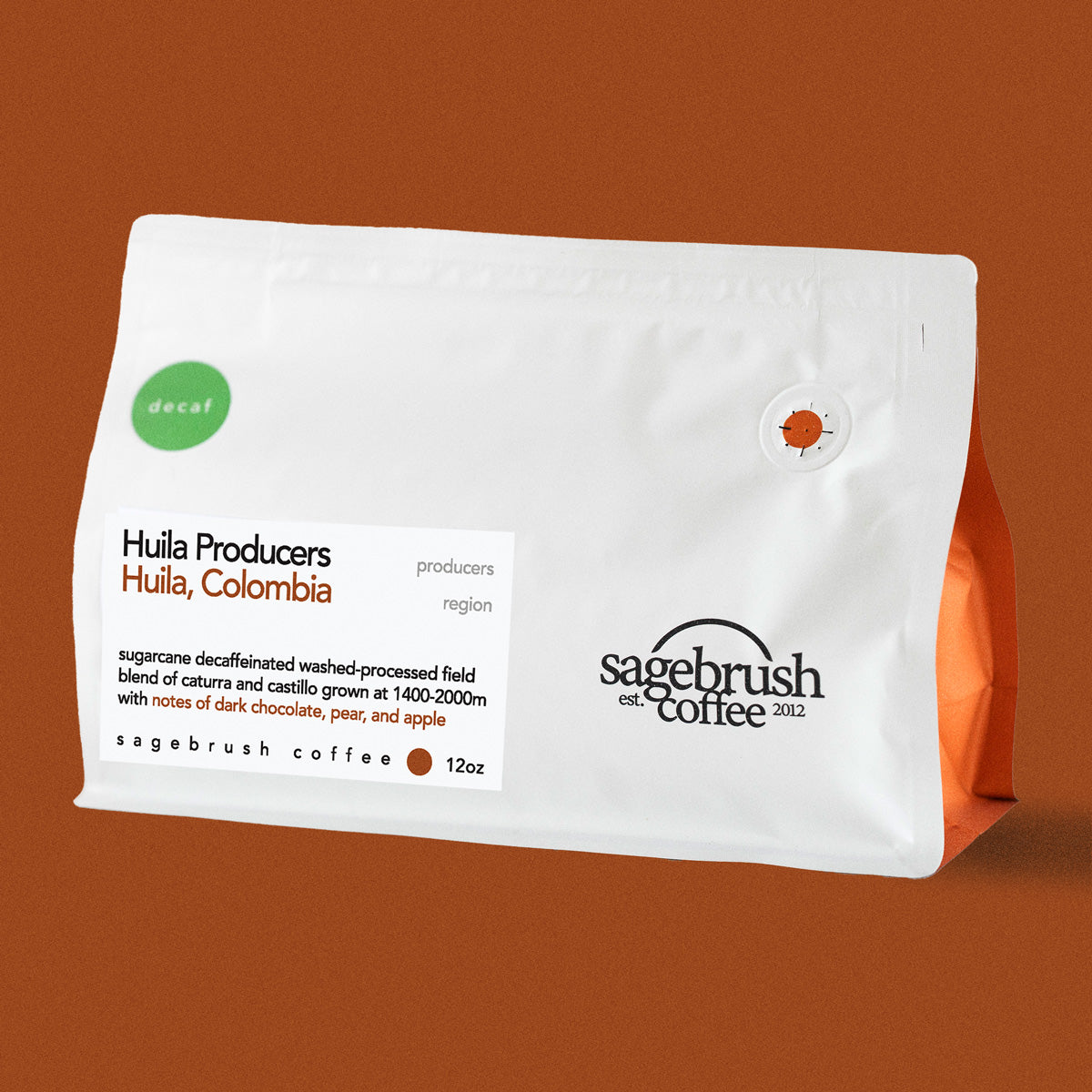
This decaf coffee is all about smooth balance and easygoing sweetness. Right from the first sip, you’ll notice a milk-chocolate richness that’s smooth but never overpowering. As the cup cools, a gentle pop of green apple acidity shows up, not sour, just bright and crisp, the kind of freshness that keeps things interesting. Then pear ties it all together, adding a silky texture and mellow sweetness that rounds out the cup. The result is a coffee that feels smooth with balanced complex, each sip making you forget it's decaf.

-Jonathan

Processing Method

Washed Process- Washed processing is coffee's most common and reliable method. Through depulping, controlled fermentation, and thorough rinsing, this water-intensive process minimizes variables to produce clean, bright cups that showcase origin characteristics and variety.

Country

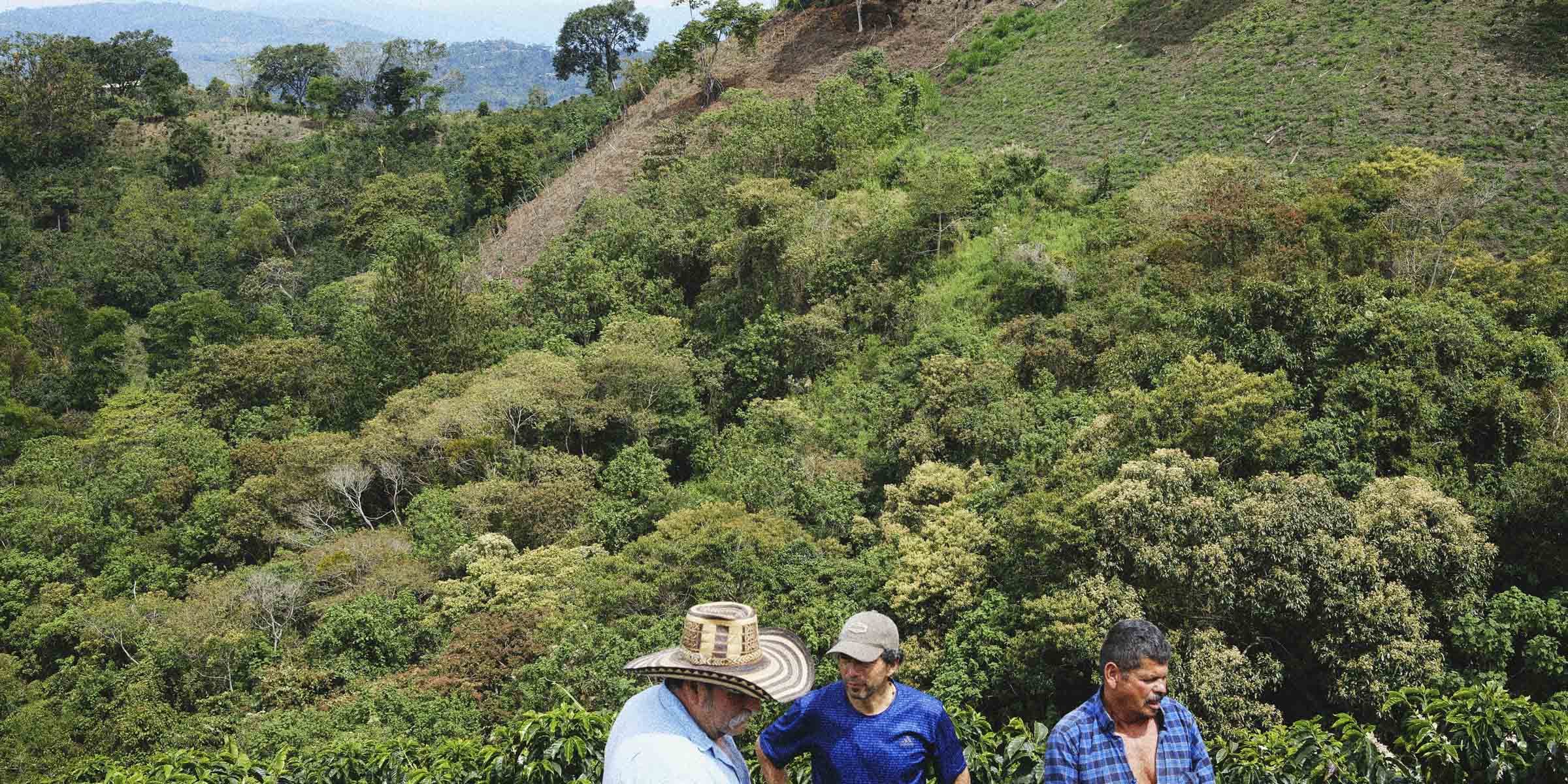
Colombia- Colombia exports over 12 million bags annually, making it the world's third largest specialty coffee producer. Perfect climate, mountainous terrain, and numerous microclimates create incredibly versatile coffee, from bold chocolate notes to bright fruity profiles, with smooth, balanced flavor.

Altitude

1400-2000m - Altitude is typically correlative to the potential complexity of a coffee bean. The higher in altitude the coffee is grown, the denser the bean will be, resulting in a more dynamic cupping experience.

Classification

Brown Label- If not for those who come before us in the supply chain, we would not be the company we are today. In light of that, we see it critical to help producers in whatever way we can to develop in their craft as well.

Variety(s)

Castillo, Caturra, Colombia

All about the coffee

Caturra

In some contexts, being small is a disadvantage. 

Like in the NBA. Or in the middle of a crowd at a concert. 

But in the specialty coffee industry, being small can be a great thing–like with the Caturra variety! 

The name “Caturra” means “small”. It is so named for its short, compact size. But before we get into why that’s such a good thing for a coffee variety, let’s make sure we understand what coffee varieties are. 

Caturra Coffee: Compact Variety Profile & Cup Quality

Washed Process

In the washed process, a machine removes the cherries’ skin and pulp, and the remaining beans are left to ferment in water. It’s by far the most common way coffee is processed—but makes this method so popular?

The sugarcane process gets its name because ethyl acetate, or EA, is used to decaffeinate coffee. EA is a natural compound derived from cane sugar that can be found in fruits and other foods. Being derived from sugar, EA bonds to chlorogenic acids found in caffeine. When EA bonds to chlorogenic acids, the separation of the caffeine from the coffee bean begins. 

Washed Process

Colombia

The country of Colombia (not Col-um-bia) boasts some pretty extraordinary claims to fame.

It is the world’s leading exporter of emeralds–exporting 70-90% of the world’s supply. It is the world's second most biodiverse country–with more species of bird than in Europe and North America combined. It has the world's tallest palm trees (up to 200 feet tall!) and the world’s most colorful “rainbow” river (Caño Cristales).

It is also the third largest producer of specialty coffee in the world, preceded only by Brazil and Vietnam. But it didn’t arrive at that place overnight.

Coffee Terroir Guide: Colombia's Versatility & Complexity