

Quick Guide

What is this coffee?

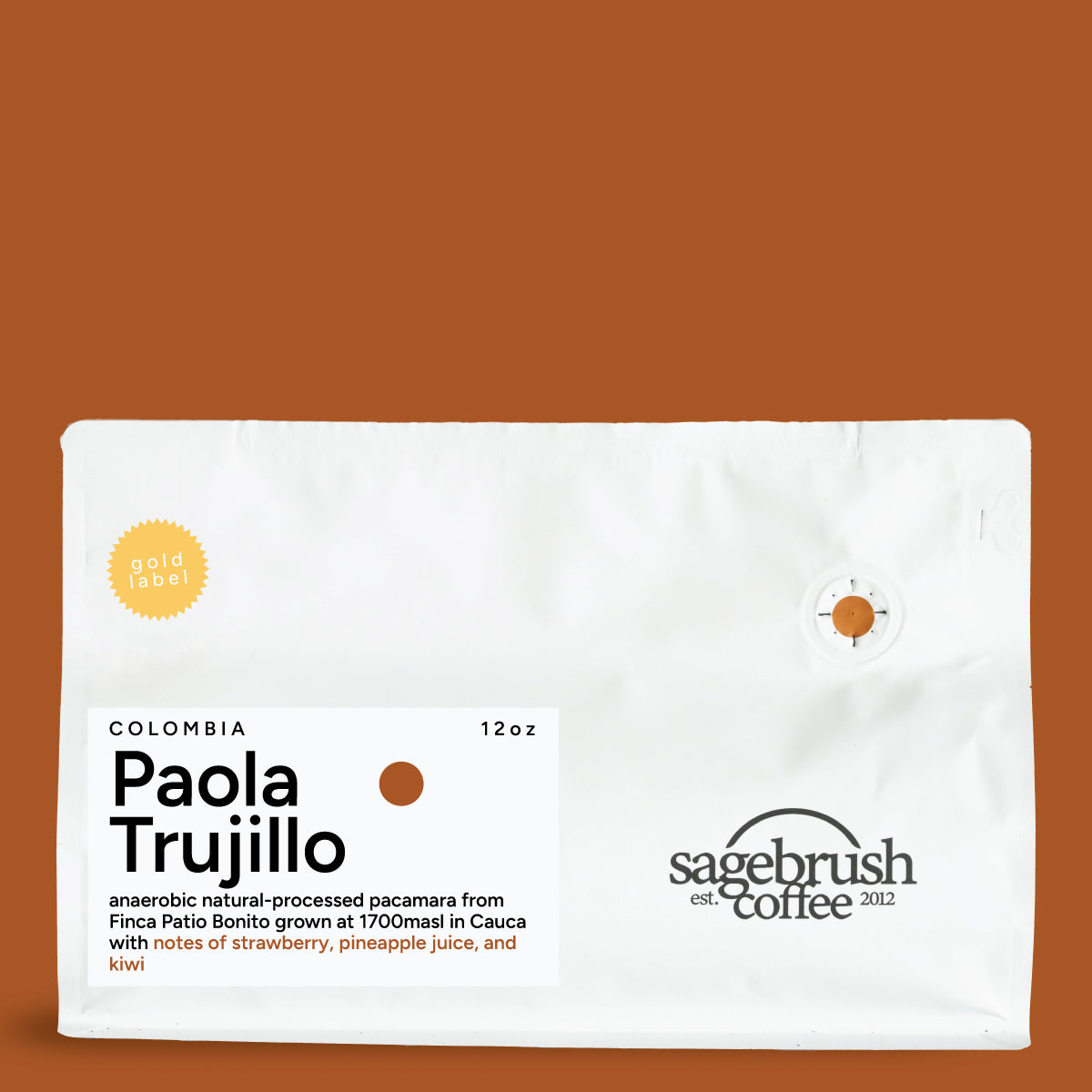
Our third coffee from Paola does not disappoint. This is a punchy fruit bomb with much to appreciate throughout the cup. Lots of tropical fruits and sugars sit in profile where you can basically name any fruit and pick it up in the flavor. We really dig these styles of coffee - not too fermenty while embracing the fruit side of production. We bought a ton of this, which means we’re slightly pricing it a touch lower to be able to go through it before it ages. Which means this is more bang for your buck. I’ll be roasting this a touch more developed than I usually do for naturals, I want to express more so the sugar than the acid in the cup, it’s worth highlighting. 

-Jonathan 

Processing Method

Natural Process- Natural processing dries whole cherries with fruit intact. As microorganisms ferment the sugars, they create bold, wine-like flavors with thick body and mild acidity—extravagant and fruity compared to other methods.

Country

Colombia- Colombia exports over 12 million bags annually, making it the world's third largest specialty coffee producer. Perfect climate, mountainous terrain, and numerous microclimates create incredibly versatile coffee, from bold chocolate notes to bright fruity profiles, with smooth, balanced flavor.

Altitude

1700masl - Altitude is typically correlative to the potential complexity of a coffee bean. The higher in altitude the coffee is grown, the denser the bean will be, resulting in a more dynamic cupping experience.

Classification

Black Label- Black labels are the best coffees we can find period. Whether it’s a hyper-limited crop or an auction lot, we do not let cost be a prohibiting factor in our search for the finest coffees in the world.

Variety(s)

Pacamara

All about the coffee

Meet Paola & Carlos Trujillo

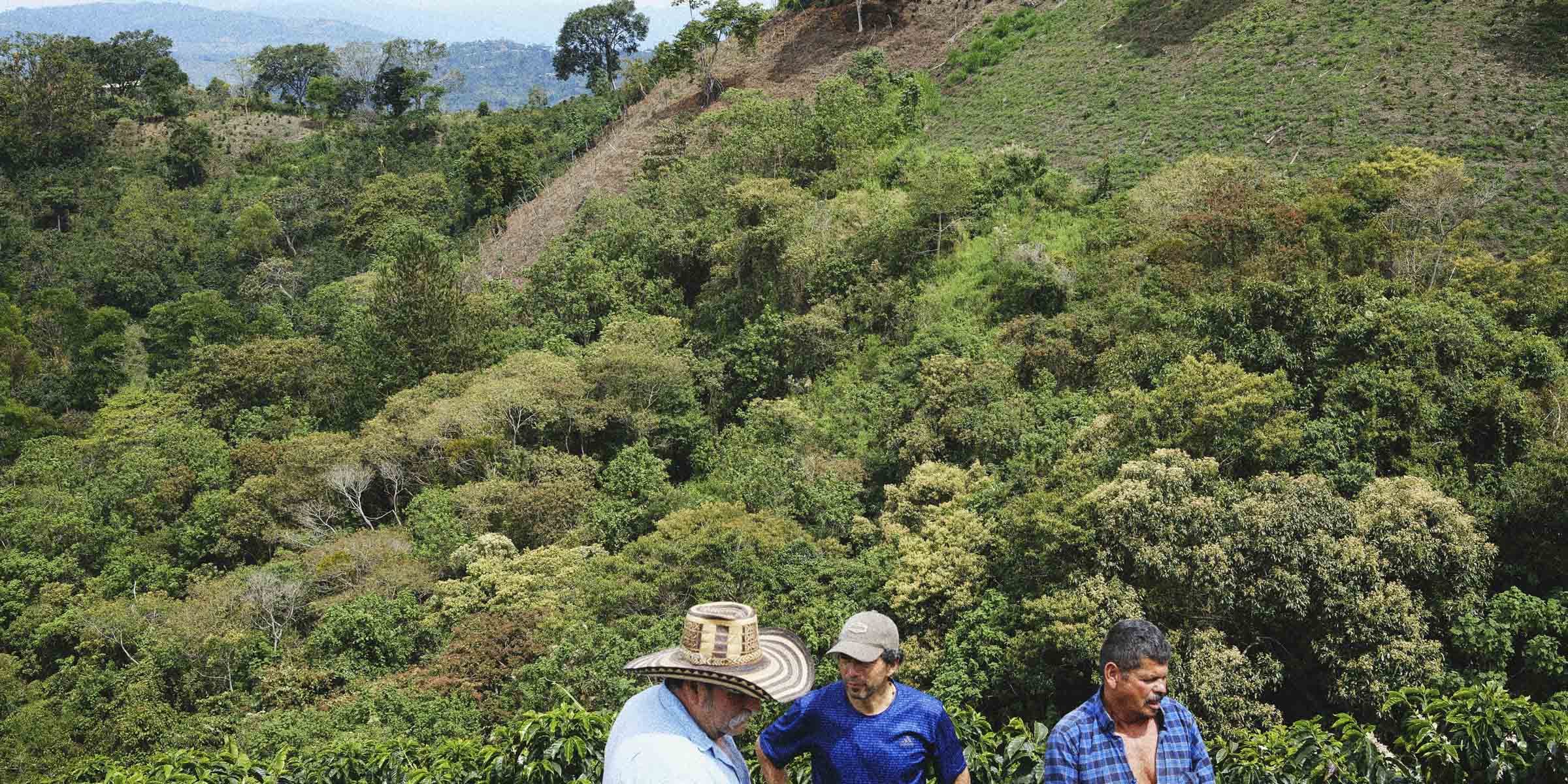
Father-daughter team Carlos & Paola Trujillo bring together 50 years of farming wisdom and modern innovation at Finca Patio Bonito in Cauca, Colombia. Their 11-hectare farm grows 13+ varieties with a focus on education, sustainability, and community development.

Learn More About Paola & Carlos Trujillo

Pacamara

Some coffee beans are bigger than others.

Pacamara beans are massive—and the flavor is just as bold. One of the most fascinating varieties in coffee, Pacamara has an interesting past.

But before we get to why, let’s roll back the tape to understand where coffee varieties come from. 

How Coffee Varieties Came About

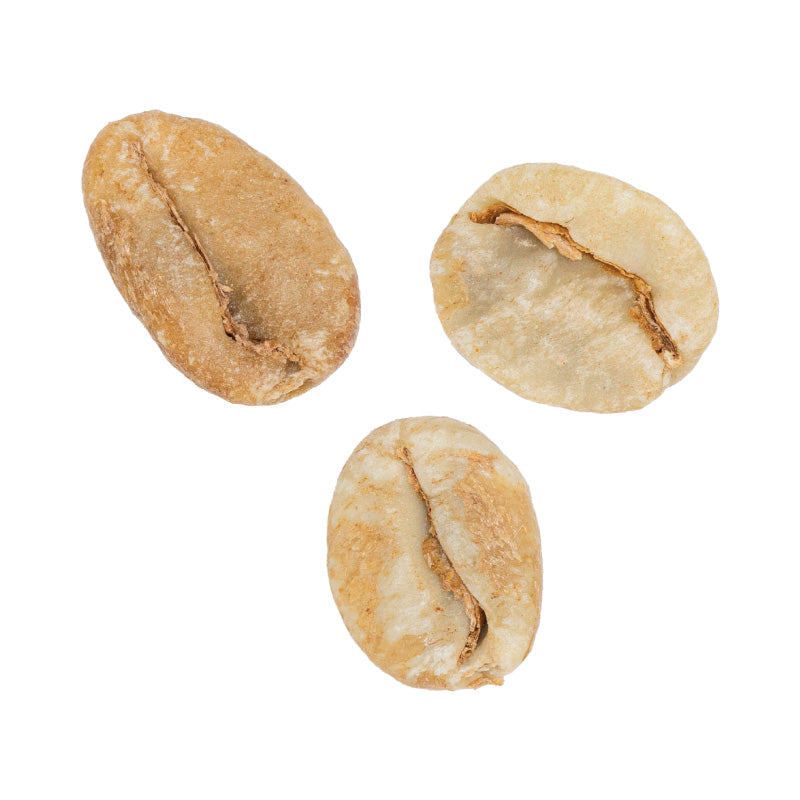
To start with, coffee isn’t actually a bean–it’s the seed of a cherry produced by the Coffea Arabica plant. Inside each coffee cherry are two seeds, which–after harvesting and processing–become what we call coffee beans.

In the same way apples have varieties with different flavors and textures, so too coffee has varieties with different flavor characteristics. Coffee varieties come from three main sources: natural mutations, natural hybrids, and human-engineered hybrids.

In the 15th century, when coffee first arrived on the global stage, there was only one main coffee variety: Typica.

But as Typica began to be planted in various countries around the world, it mutated into a variety called Bourbon: the first natural mutation. Nearly every coffee variety grown today traces back to Typica or Bourbon.

As Typica and Bourbon spread around the world, there were instances where they crossbred with each other, thus creating natural hybrids, like Mundo Novo (a natural crossbreed between Typica and Bourbon in Brazil).

Each variety that has emerged has had its pros and cons. Some are more resistant to pests and diseases; some taste better; some are more productive or easier to grow, etc. It was only a matter of time before humans got involved in a quest to Goldilocks the industry to find the perfect variety by cross-breeding and engineering different varieties.

Pacamara was one such human-engineered attempt that has been quite successful. 

Introducing…the Pacamara Variety

In the 1940s,  the Paca variety (a natural mutation of Bourbon) was discovered growing in El Salvador. This variety was smaller than Bourbon with higher yieldsanda higher resistance to harsh weather–definitely a win for the coffee world.

Meanwhile, back in the 1870s in Brazil, the Typica variety had mutated into a variety known as Maragogipe. By far the largest coffee variety, Maragogipe produced a good-tasting cup of coffee. But it had problems: low yieldsandlow disease resistance. Not an ideal variety for coffee farmers to invest all their time and money in.

But as coffee institutes around the world began to experiment with manually cross-breeding different varieties, El Salvador decided to try its hand.

In the 1950s, the Salvadoran Institute for Coffee Research in El Salvador (ISIC) crossed the Paca variety with the Maragogipe variety. The goal was to produce a hardier, productive plant with high cup quality. And that’s exactly what they got!

Today, the Pacamara variety (its name a combination of letters from its parent varieties) has proven to be one of the most delicious and interesting varieties out there.

Flavor Profile

Pacamara is well-known for its complex, often award-winning flavor profile. 

Its large bean size produces a full-bodied cup of coffee with an exceptionally creamy mouthfeel. Many Pacamaras feature bright citrus notes balanced by chocolate and toasted nuts, creating a cup that feels both vibrant and comforting.

While primarily grown in El Salvador, Pacamara has also begun being produced in other Central American regions like Guatemala.

As a roaster, we love it when we get a Pacamara in because we know it’s going to be special. Not only do we get to enjoy it—we get to share this delicious pocket of the coffee world with our customers, too!

Pacamara Explained: Big Beans with Bigger Flavor

Natural Process

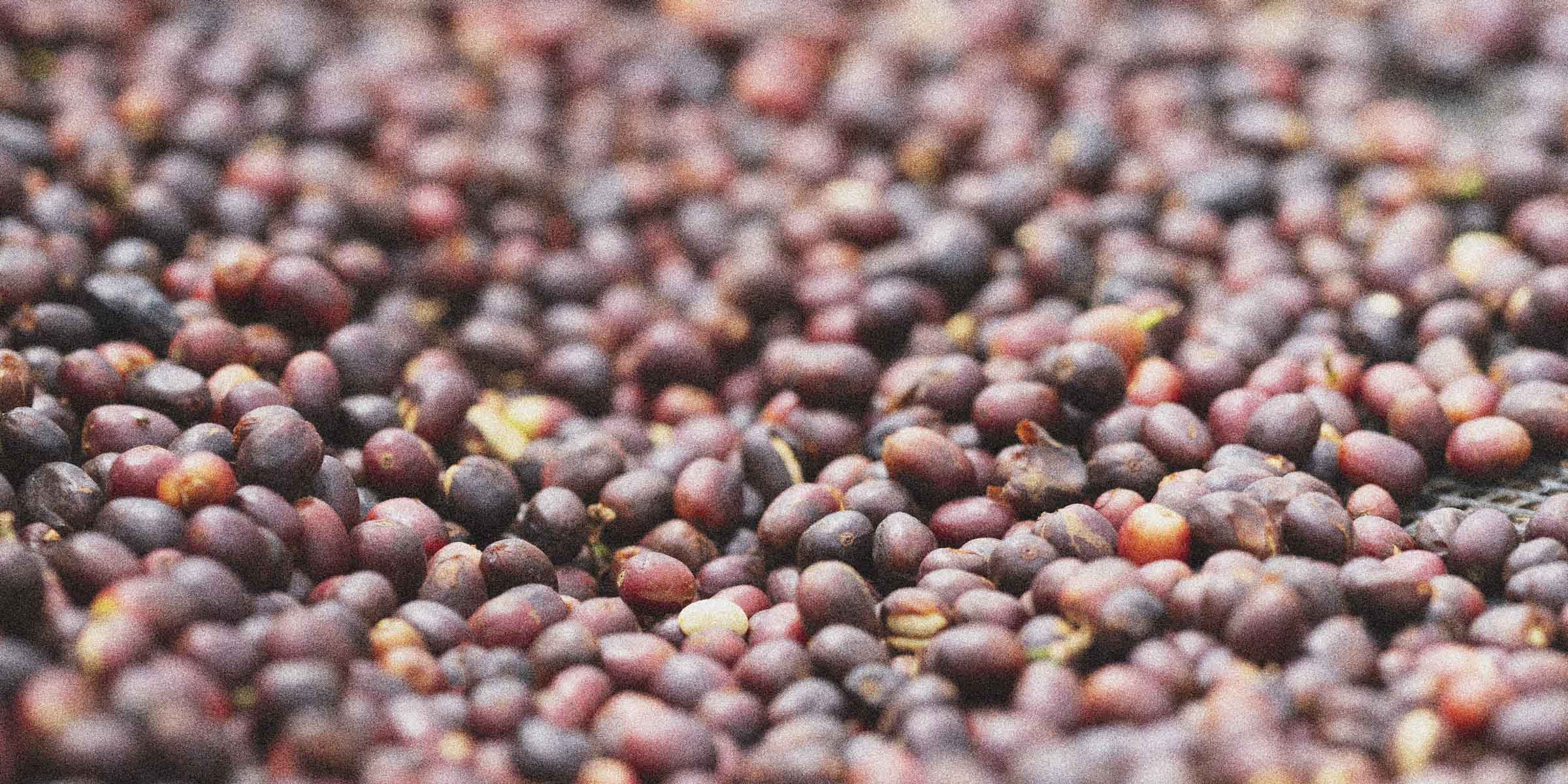
In natural processing, the cherries are picked at peak ripeness and laid out to dry whole—fruit and all. As they slowly ferment in the fruit, the beans develop bold, distinctive flavors. It’s a riskier method, but those fruit-heavy beginnings can dramatically shape the final flavor.

Natural Process

Colombia

The country of Colombia (not Col-um-bia) boasts some pretty extraordinary claims to fame.

It is the world’s leading exporter of emeralds–exporting 70-90% of the world’s supply. It is the world's second most biodiverse country–with more species of bird than in Europe and North America combined. It has the world's tallest palm trees (up to 200 feet tall!) and the world’s most colorful “rainbow” river (Caño Cristales).

It is also the third largest producer of specialty coffee in the world, preceded only by Brazil and Vietnam. But it didn’t arrive at that place overnight.

Coffee Terroir Guide: Colombia's Versatility & Complexity