

Importer Profiles Main Page •
Back to Importer Overview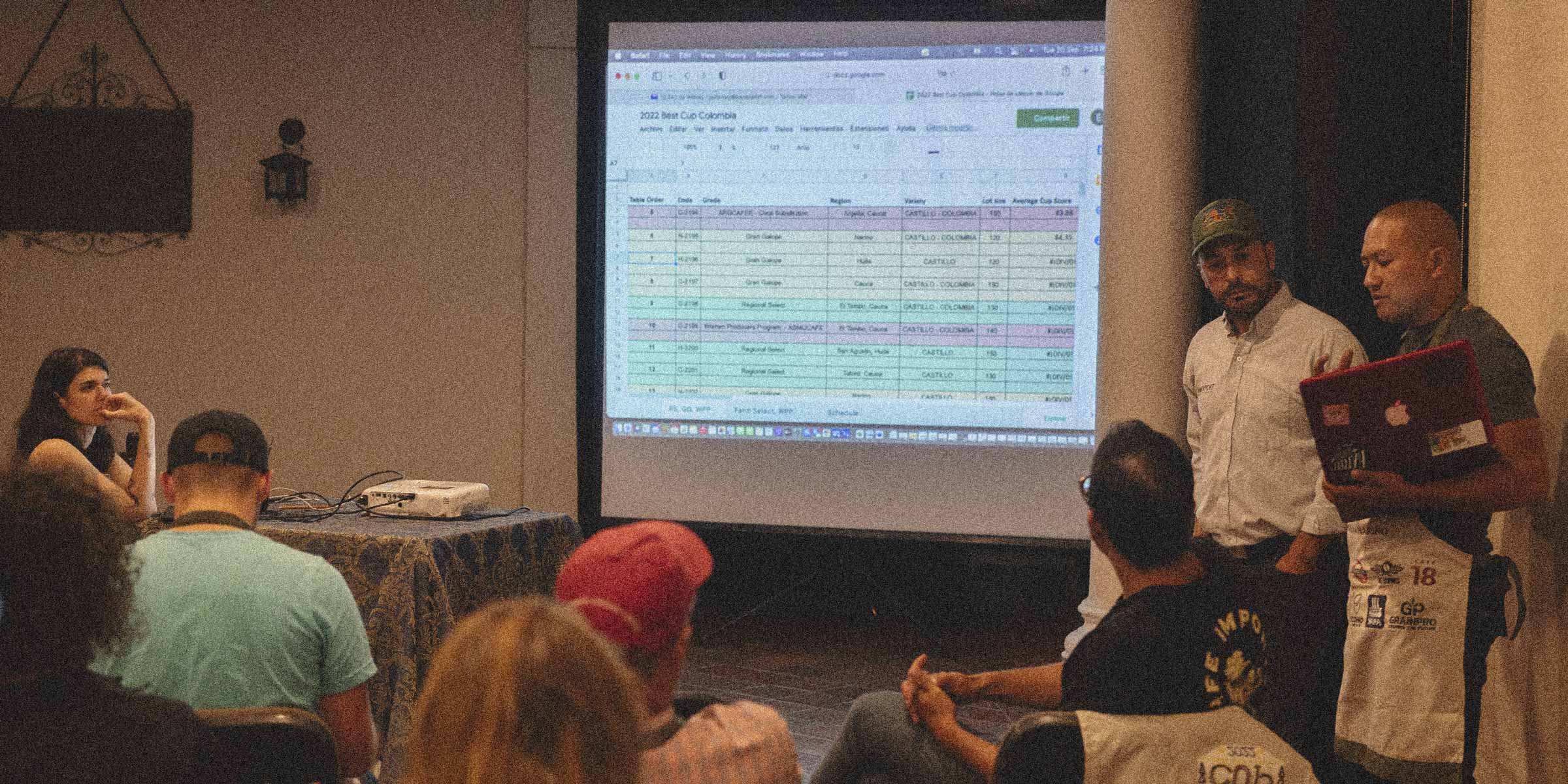
There is something that happens when every part of the coffee supply chain stands in a room and cups a coffee together.
When producers, exporters, importers, and roasters gather at a cupping table in Colombia, Guatemala, or Panama, they taste coffee alongside the people who helped make it. Despite language barriers and different backgrounds, for just one moment, everyone shares the same excitement about a flavor profile or a tasting note. Coffee stops being a beverage and becomes a means of human connection.
Importers are an essential part of that connection. And few importers have been at it longer than Cafe Imports.
Our Story With Cafe Imports
Our relationship with Cafe Imports started in Colombia and has only deepened from there.
In 2022, Noah and I traveled to Colombia for Cafe Imports' Best Cup competition -- a contest and auction they run alongside Banexport. For about a week, we cupped over 100 coffees, visited farms and mills, and got to watch producers' lives change as their lots were auctioned to roasters from across the U.S. We ended up spending more than any other lot except the number one finisher, and I still think we walked away with the best value of the week. That trip changed a lot about how we think about sourcing.
Omar Herrera was a big part of that experience. He's Cafe Imports' senior green coffee buyer for Colombia and the guy who connects the dots between what's happening at origin and what roasters need. I've now traveled to Colombia with Omar twice -- once for Best Cup and once to visit Genesis Coffee Sourcing producers in Huila. Walking the farms with Omar and meeting the people behind the coffee we buy is exactly the kind of thing that makes working with Cafe Imports different from just ordering off an offerings list.
On that Genesis trip, we got to see firsthand what their sourcing model looks like in practice -- Lisandro cupping and grading coffees at the Acevedo collection point, Ana managing operations at the Tarqui headquarters, producers delivering their lots and participating in the quality evaluation process. It's one thing to read about a sourcing model. It's another to stand in the cupping lab with the people who built it.
Our day-to-day contact at Cafe Imports is Simon Odentz, who handles our account and keeps us up to date on what's arriving and what's coming. But I also text Omar regularly, especially when we're planning around Colombian harvests or talking through what lots to look at next. That kind of accessibility is part of what makes working with them feel like a partnership rather than a transaction.
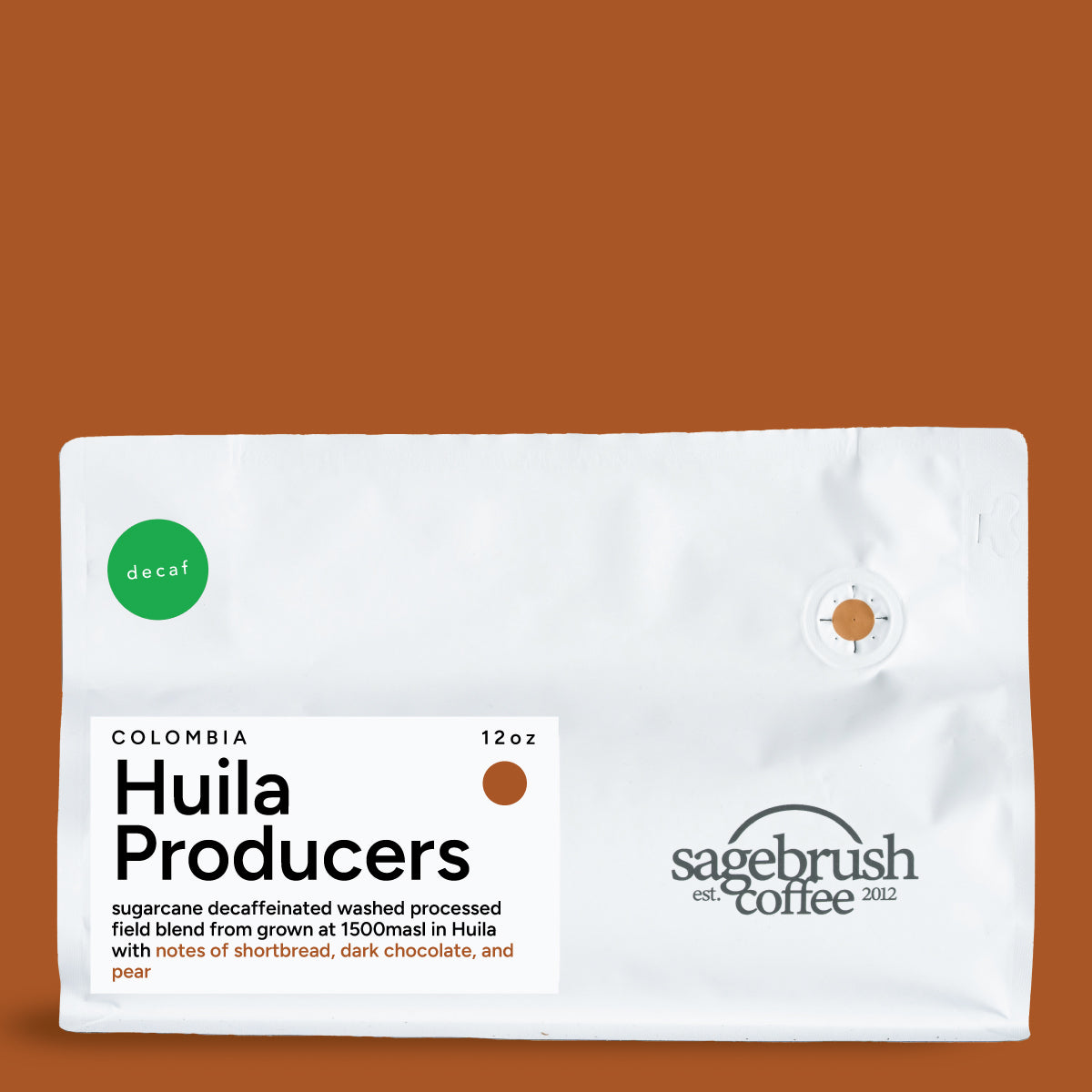
We use Cafe Imports primarily for our Colombian coffees, and through them we've been able to source some of the best coffees we've ever offered -- from Best Cup auction lots to Genesis community selects to microlots from producers like the Leguizamo family, who have been partnered with Cafe Imports since Andrew Miller met Arnulfo at the 2011 Cup of Excellence.
The Company
Cafe Imports was founded in 1993 by Andrew Miller. The story goes that Andrew was waiting tables in Minneapolis when his Brazilian friend Vido needed help bringing in coffee from his dad's farm. Andrew borrowed $70,000 from his mother-in-law, and the two of them bought their first container of Serra Negra from Brazil. He carried coffee on his back for the first five years.
More than 30 years later, Cafe Imports has grown into one of the most respected specialty green coffee importers in the world, with offices in Minneapolis, Melbourne, Berlin, and San Jose, Costa Rica. They source coffee from over 25 countries, maintain 112 active partnerships in producing countries, and have been carbon neutral since 2008. They became a Certified B Corporation, and their team has grown to more than 70 people.
But what makes Cafe Imports different from larger importers is something you can't measure on paper. They invest in education, sensory analysis, and long-term producer relationships in ways that directly benefit small roasters like us. Their offerings list is updated daily. Their cupping lab and sensory team, led by Ian Fretheim, have developed tools like the Coffee Rose that are changing how people evaluate coffee. And they created programs like Best Cup and their Women Coffee Producers initiative that go beyond just buying and selling green coffee.
What Importers Actually Do
When you think of importers, you might think of paperwork. But importing coffee is far more about relationships than logistics.
Matt Brown, a sales manager who has been with Cafe Imports for 15 years, started in coffee as a barista working an after-school job in Minnesota. With Cafe Imports based nearby, he was exposed early on to the bigger picture of coffee through events they hosted. Over time, he fell in love with the industry, joined Cafe Imports, and never left.
As Matt describes it, there is a part of importing that is paperwork at a basic, fundamental level. But a bigger part of what they do is discovering and maintaining relationships at origin. Their job is to find great coffee and seek out producers who care about the same things they do -- quality, sustainability, and ethics. They spend time on the ground to build those relationships, and then they continue managing them.
Importers also stand in the gap between commodity-grade coffee and specialty coffee to ensure quality, and they serve as a collection point for coffee education. Risk management is a big part of the work too -- managing things like insurance, financing, and warehousing.
This is one of the strongest ways importers help producers. Cafe Imports tries to shield producers from the unpredictability of external factors by providing reliable partnership, regardless of whatever the market does. What provides producers long-term, meaningful value is a partner who is willing to front the money so they can focus on what they do best: growing coffee. The financing aspect doesn't make for a compelling story, but it is what actually makes coffee work.
Without partners who are willing to pay for and represent them, all coffee becomes a commodity.
The Challenges
Some of the most important parts of the supply chain operate on long timelines, so it's critical that importers are able to withstand the ups and downs of the market.
Tariffs have been a major challenge recently, and Cafe Imports has had to navigate how to manage those costs and pass them along responsibly. But the most impactful challenge has been the C-market. Even though futures prices may be lower in the future, today's high prices, extreme volatility, and higher interest rates make coffee expensive and risky to hold. No one wants to carry more coffee than they absolutely need when prices could eventually fall.
Genesis Coffee Sourcing
One of the best examples of how Cafe Imports operates is their partnership with Genesis Coffee Sourcing in Huila, Colombia.
Genesis was founded in 2022 by a coalition of professional cuppers and producers -- Ana Beatriz Bahmon, Gina Henao, Lisandro Cardenas, and Faiber Bolanos -- to support producers and associations in three towns: San Agustin, Acevedo, and Tarqui. Before Genesis, these producers delivered their highest-scoring lots to rotating specialty-focused exporters while the rest of their harvests went to other commercial avenues. Genesis created one delivery point for every coffee, giving producers more oversight of their coffee's commercialization.
What makes the Genesis model work is how Cafe Imports collaborates with them. They develop pricing standards together per harvest and offering type. Once agreed upon, prices are fixed for the duration of the harvest, so producers can harvest and process on their timeline rather than reacting to market fluctuations. Cafe Imports finances the purchase capital and commits to purchasing every coffee collected by Genesis -- from microlots to community selects to decaf. They also provide capacity-building through cupping calibration, education, logistics, and marketing advice.
Omar distills his sourcing strategy into a phrase: "cafe con sentido" -- coffee with meaning. Cafe Imports has worked with the associations in this region since 2007, and many of the producers here aren't just business partners but friends.
An Industry Built on People
The people at Cafe Imports work in coffee because they love it. As Matt Brown put it, people in this industry are either into it, love it, or are over the moon about it. That's true across the entire supply chain -- from producers to roasters and everyone in between. It's ultimately an industry built on people connecting, and Cafe Imports has been building those connections for over 30 years.
Want to understand more about what importers do and why they matter? Check out our Importing 101 article to explore the bigger picture.