

Quick Guide

What is this coffee?

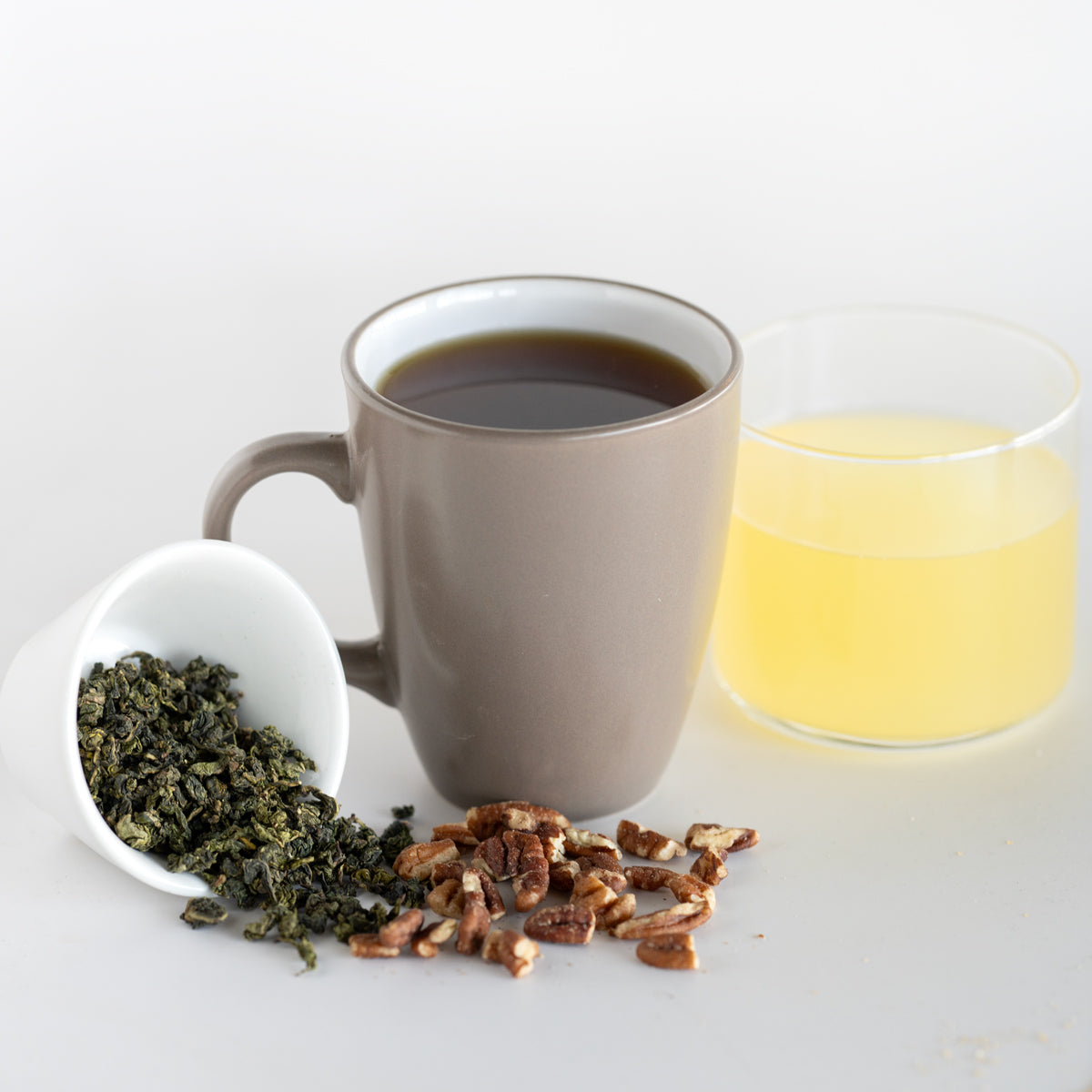
I haven’t had an Ecuadorian coffee in quite a long time, but given its proximity to Columbia I was ready for something interestingly herbal and complex. This new coffee from July Jumbo did not subvert that expectation, bringing in a smooth tea-like umami on top of a very sweet juiciness. I can definitely see myself drinking this coffee on the daily. The cup has a great complexity and full juicy body that anyone could hone in a brew recipe with. I’m excited to put this one up on bar. 

-Jonathan 

Processing Method

Washed Process- Washed processing is coffee's most common and reliable method. Through depulping, controlled fermentation, and thorough rinsing, this water-intensive process minimizes variables to produce clean, bright cups that showcase origin characteristics and variety.

Country

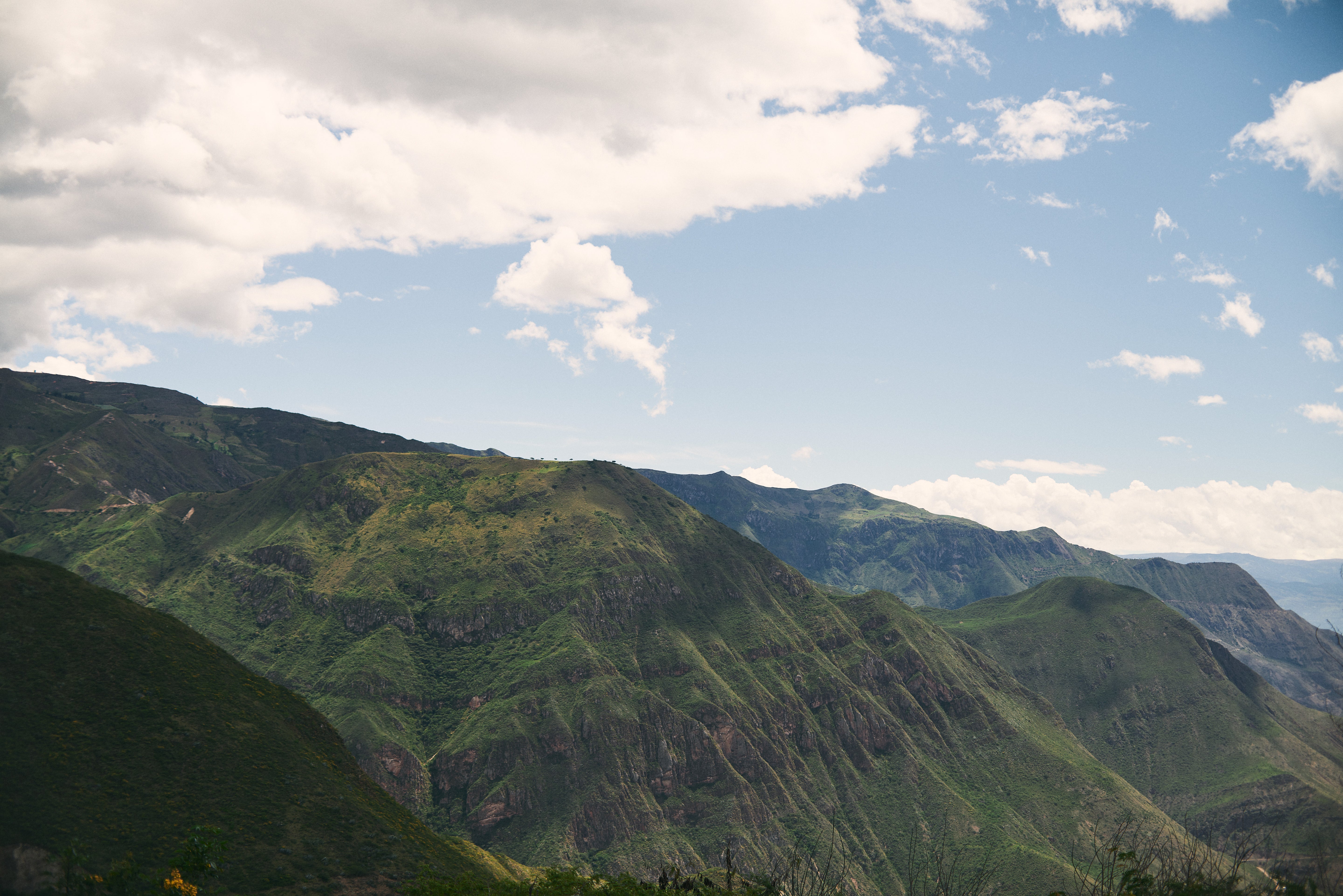
Ecuador- Loja Province has grown coffee since 1820, making it one of the oldest coffee regions in the Americas. After decades of obscurity, Ecuador's 2021 Cup of Excellence revealed what local families knew all along: Loja's heirloom Typica and high-altitude microclimates produce coffees with bright acidity, dried fruit sweetness, and chocolate complexity.

Altitude

1800masl - Altitude is typically correlative to the potential complexity of a coffee bean. The higher in altitude the coffee is grown, the denser the bean will be, resulting in a more dynamic cupping experience.

Classification

Gold Label- Gold label coffees represent the most of what Sagebrush's mission is: direct relationships, readily available, reasonable mid-tier pricing, and an excellent cup profile. This is our company standard, the coffees we're drinking on a daily basis here at the shop.

Variety(s)

Typica

All about the coffee

Meet July Jumbo

July Jumbo is an Ecuadorian farmer whose farm is nestled in the picturesque canton of Sozoranga. A second-generation farmer, his farm began with a plot of Typica and that is the coffee we get to present to you! 

Learn More About July Jumbo

Typica

In the coffee family tree of varieties, Typica is the great-great-grandparent of them all.

But to really understand this family tree–which grows bigger every day–we must first start at the beginning of it all. 

Where did coffee come from? The answer might surprise you. 

Typica Coffee: The Original Arabica Variety & Its Legacy

Washed Process

In the washed process, a machine removes the cherries’ skin and pulp, and the remaining beans are left to ferment in water. It’s by far the most common way coffee is processed—but makes this method so popular?

Washed Process

Ecuador

When you think of Ecuador, you might picture the Galápagos Islands or the equator line running through Quito. But the country's southern highlands tell a different story. Loja Province has been growing coffee since 1820, making it one of the oldest coffee-growing regions in the Americas. What we wanted to know is how a place most people have never heard of keeps producing coffees that win national competitions. What we learned is that Loja's producers never stopped caring, even when the rest of the world wasn't paying attention. Whether it's families who maintained heirloom Typica for generations, or second-generation farmers now experimenting with anaerobic fermentation and new varieties like Sidra, Ecuador's coffee story is about honoring what came before while reaching for what's next.

Coffee Terroir Guide: 200 Years of Coffee in Ecuador's Southern Highlands