

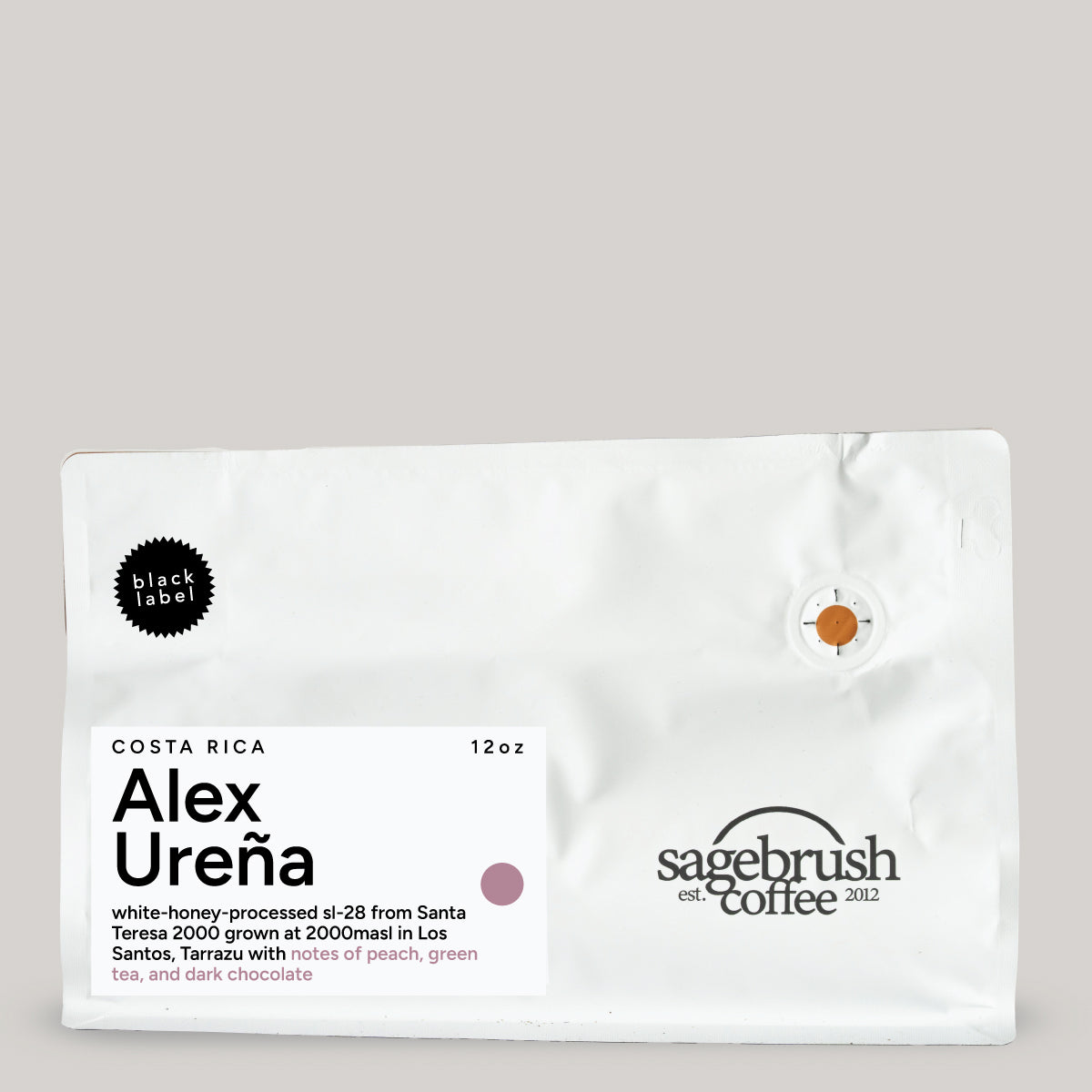

Quick Guide

What is this coffee?

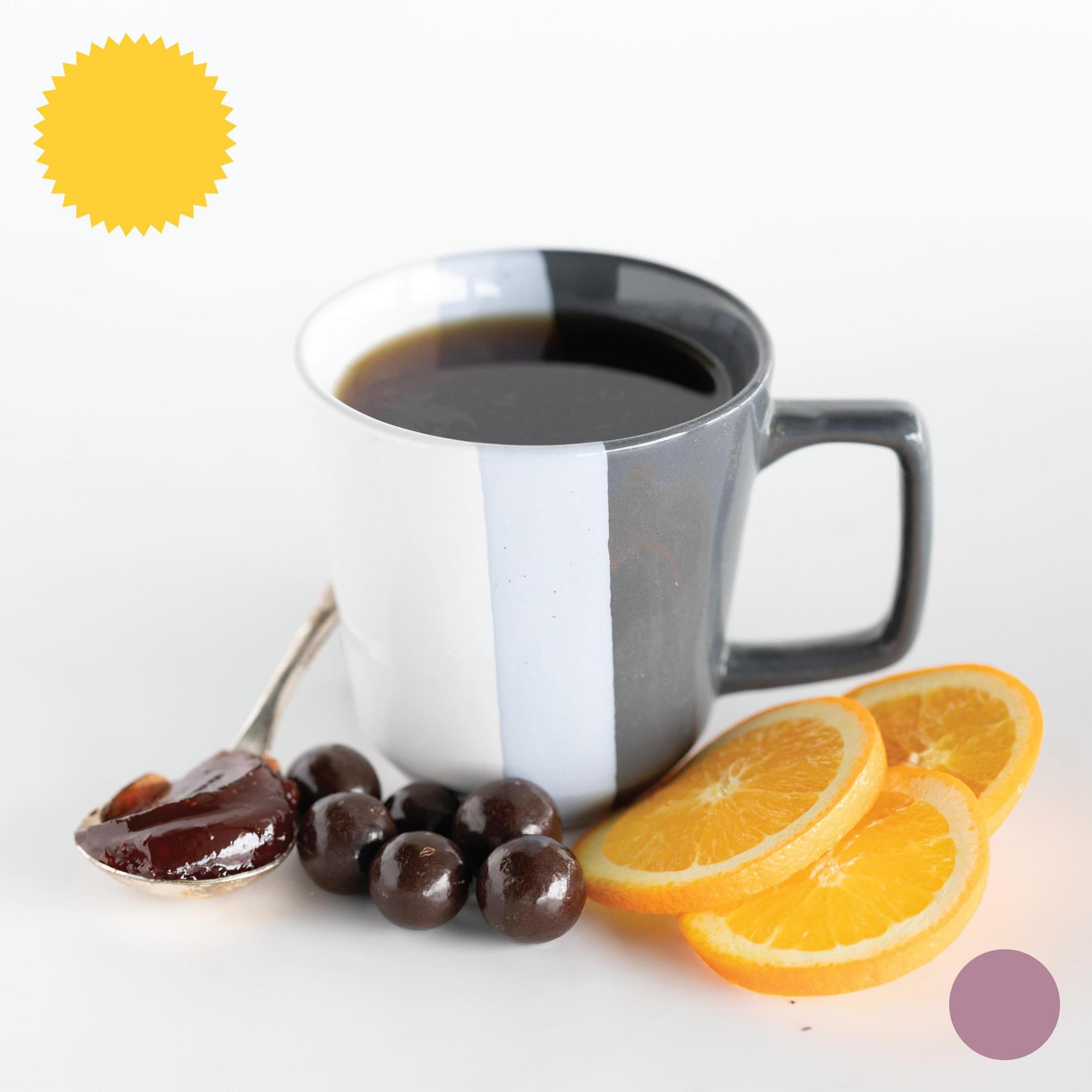
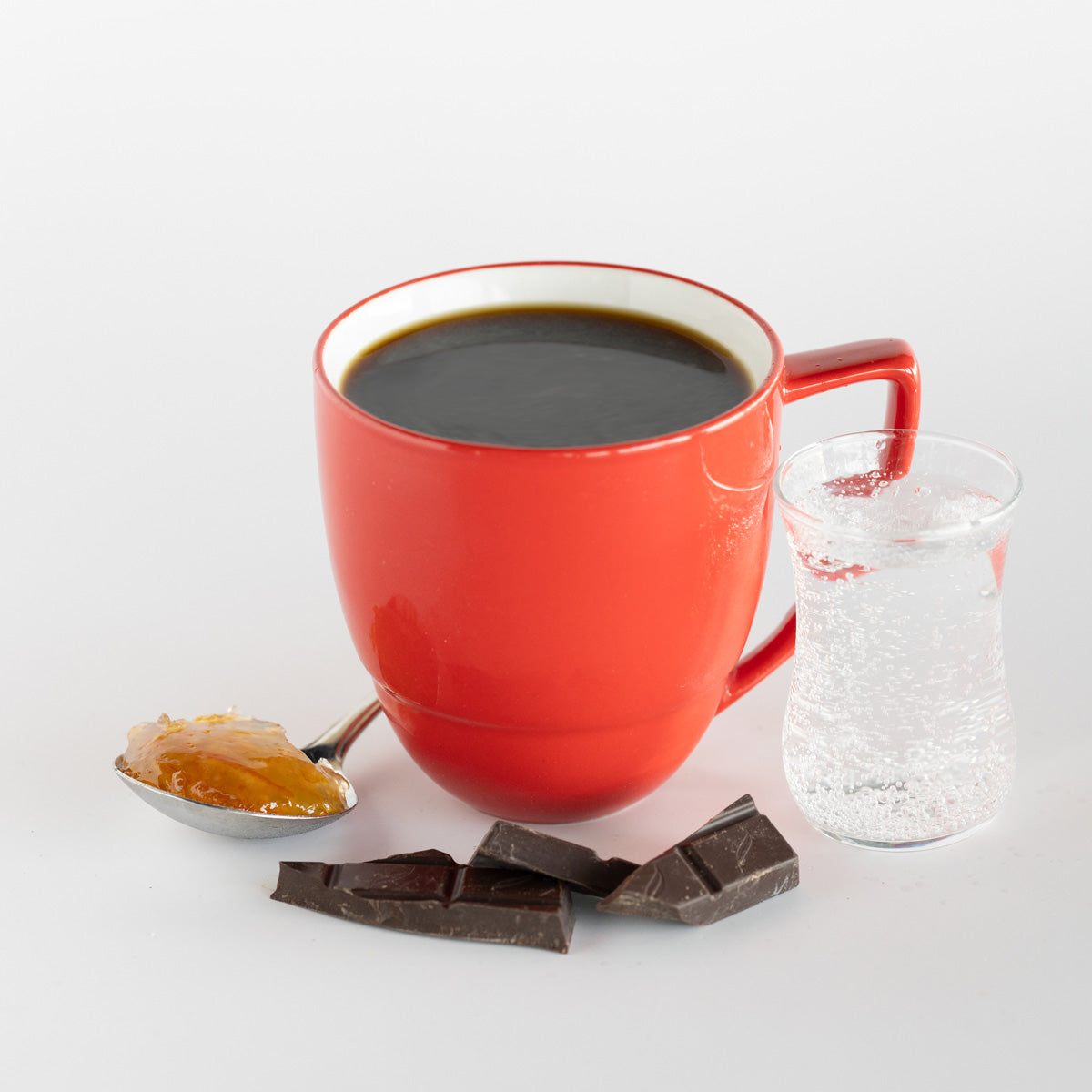
"This coffee has a peachy fruitiness with a light, tea-like body. I really enjoy how balanced it is. Bright without being overly acidic, with subtle chocolate notes on the finish. Its elegant profile makes each sip inviting and leaves you wanting another. If you're looking to explore more fruit-forward coffees, this is a great place to start. I especially enjoy it iced, perfect for the summer heat."

-Sarah

Processing Method

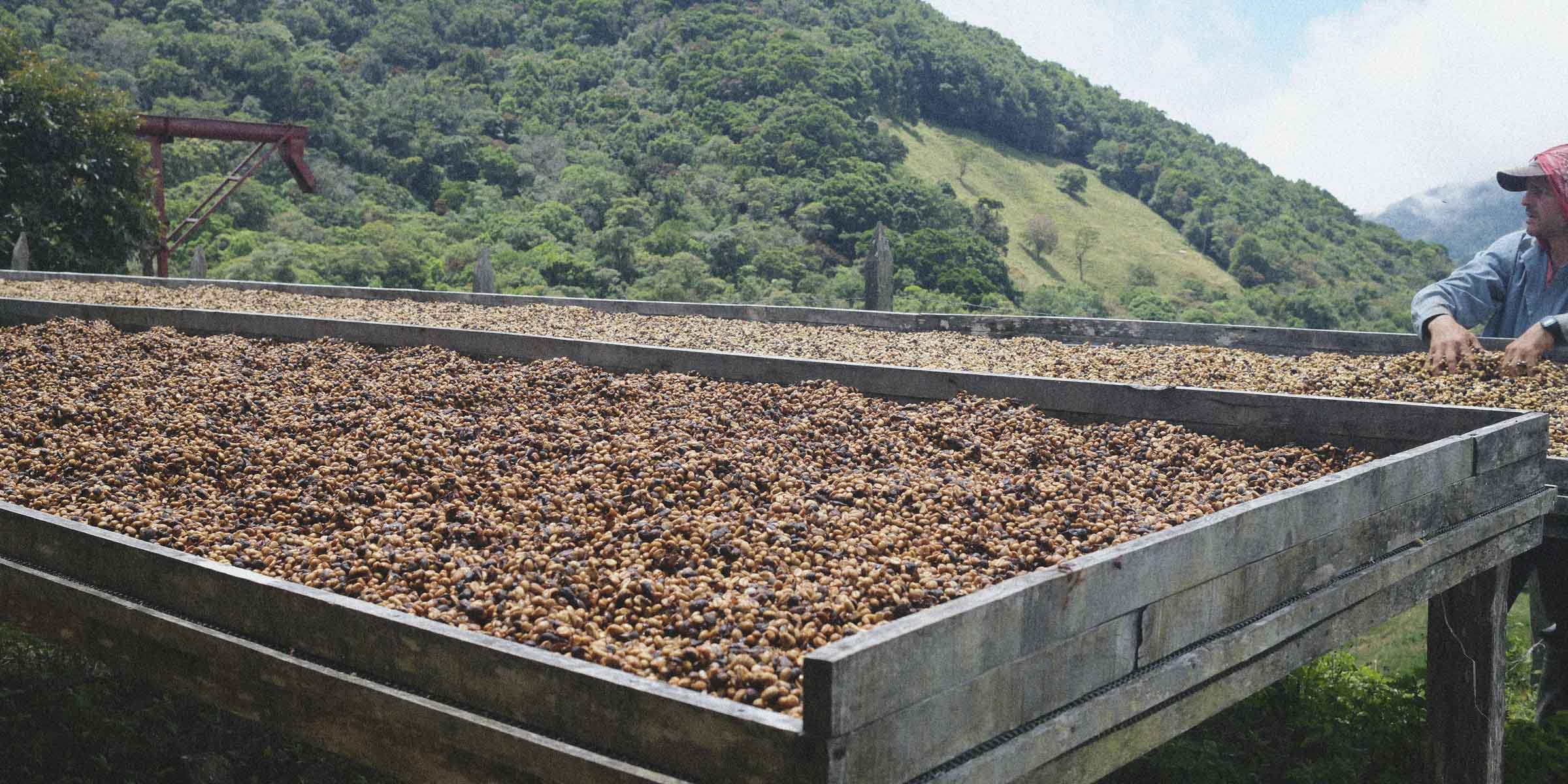
Honey Process- Honey processing creates coffee's sweetest profiles by drying beans with sticky mucilage intact. From white honey's delicate notes to black honey's wine-like complexity, this method balances washed clarity with natural fruitiness for uniquely sweet cups.

Country

Costa Rica- Costa Rica's commitment to coffee excellence is unmatched. Point in fact: they once had a country-wide ban on the production of Robusta (a coffee plant that produces lower-quality coffee) and grew only Arabica for thirty years. This commitment has paid off on the global stage, as Costa Rican coffee has become widely known for its bright, clean, beautiful cups.

Altitude

2000masl - Altitude is typically correlative to the potential complexity of a coffee bean. The higher in altitude the coffee is grown, the denser the bean will be, resulting in a more dynamic cupping experience.

Classification

Black Label- Black labels are the best coffees we can find period. Whether it’s a hyper-limited crop or an auction lot, we do not let cost be a prohibiting factor in our search for the finest coffees in the world.

Variety(s)

SL-28

All about the coffee
Meet Roger Ureña

Roger Ureña is a dedicated coffee producer from Tarrazú, Costa Rica, whose passion for quality coffee is rooted in generations of agricultural heritage. With a focus on innovation, sustainability, and meticulous processing, he has developed Santa Teresa into a model farm and mill that showcases the unique potential of Tarrazú’s high-elevation coffees.

Learn More About Roger Ureña

SL-28

What exactly is SL-28, and why does seeing those four characters on a coffee label spark excitement among many coffee consumers? From its origins nearly a century ago to the distinctive flavors it brings to the cup today, here’s why SL-28 continues to captivate the specialty coffee world.

Meet SL-28: One of Coffee's Most Celebrated Varieties

Honey Process

Honey processing creates coffee's sweetest profiles by drying the beans with the sticky mucilage intact. From white honey's delicate notes to black honey's wine-like complexity, this method balances washed clarity with natural fruitiness for uniquely sweet cups.

The "honey process" refers to the natural fruit layer that surrounds the coffee bean. During a white honey process, most of that fruit is removed, but a small amount is left on the bean as it dries. This careful balance allows producers to create a cup that combines the clarity of washed coffees with some of the fruited-sweetness found in natural coffees.​What makes honey processing particularly special is the level of precision it requires. Producers must carefully control drying conditions, turning and monitoring the coffee throughout the process to ensure the remaining fruit sugars develop properly without over-fermenting. Small adjustments can have a significant impact on the final cup, making white honey coffees a true reflection of the producer's skill and craftsmanship.​

Honey Process

Costa Rica

Costa Rica knows what it takes to produce high-quality beans and has been doing so for over 200 years. Rich volcanic soil and diverse terrain create bright, clean cups ranging from Tarrazú's bold aromas to Occidental's fruity peach notes. But it's their cutting-edge research in coffee that really sets Costa Rica apart from the rest.

Coffee Terroir Guide: Costa Rica's 200 Years of Excellence in Coffee