Coffee Varieties Guide

Read our Coffee Varieties article

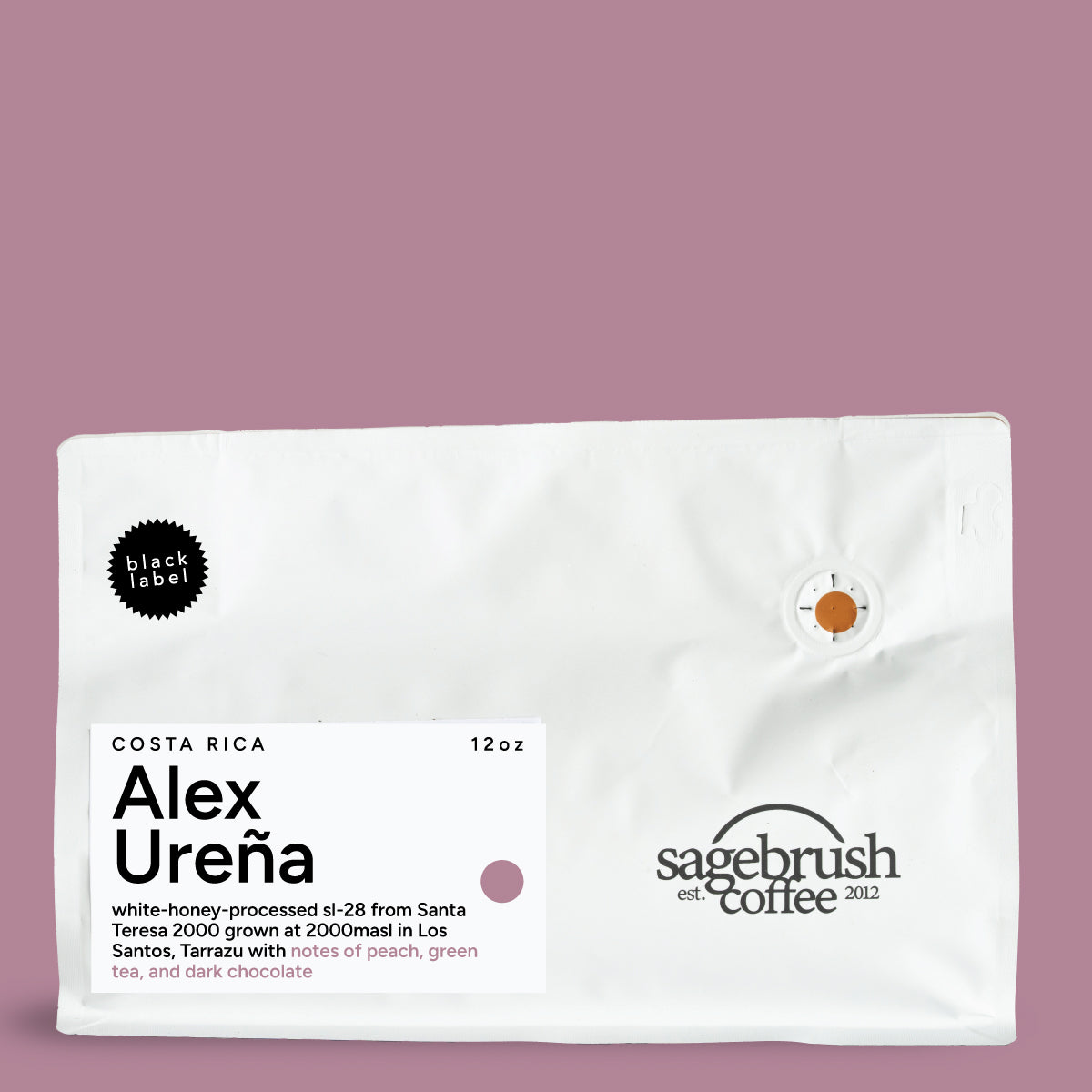
What exactly is SL-28, and why does seeing those four characters on a coffee label spark excitement among many coffee consumers? From its origins nearly a century ago to the distinctive flavors it brings to the cup today, here’s why SL-28 continues to captivate the specialty coffee world.

Originally produced in Kenya in the 1930s, SL-28 has earned a reputation for producing extraordinary coffees with incredible sweetness, vibrant fruit character, and a juicy acidity. While the variety is best known for its role in some of Kenya’s most iconic coffees, it’s increasingly being planted in other origins by producers looking to showcase its remarkable cup quality.

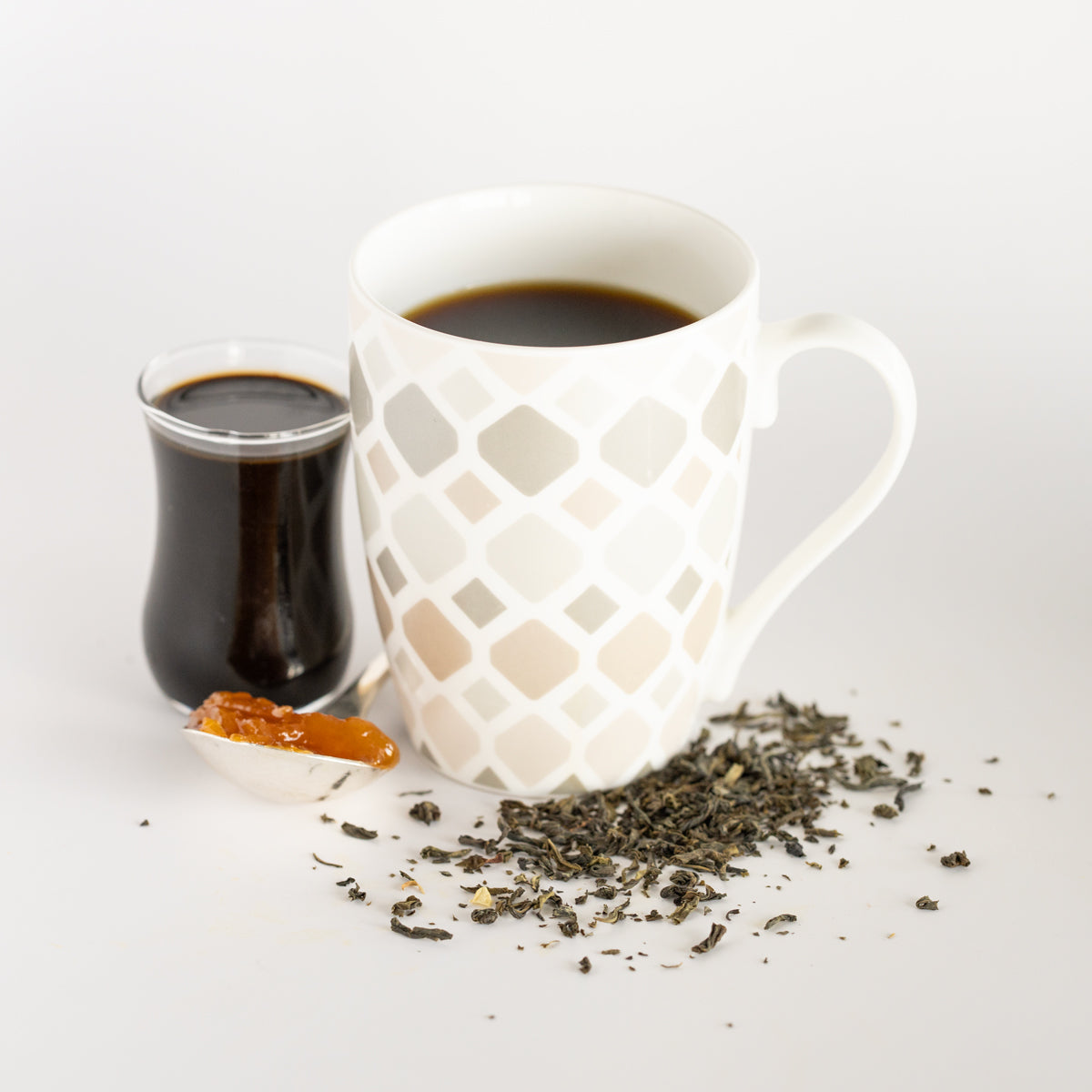
What makes SL-28 so exciting is the way it impacts the flavor in your cup. This variety often produces coffees with exceptional clarity and complexity, allowing tasting notes to shine with greater intensity. The result is a coffee that feels layered, dynamic, and memorable from the first sip to the last.

Deep Dive Into Specific Coffee Varieties
Bourbon

Bourbon stands as specialty coffee's legendary parent variety. This natural Typica mutation from Réunion Island produces 30% higher yields with exceptional quality. From its chocolate-caramel sweetness to spawning Caturra and Mundo Novo, here's the Bourbon story.

learn more

Catuai

Catuai represents coffee breeding at its best. This Caturra x Mundo Novo hybrid combines compact growth with exceptional yields and quality. Dominating Costa Rican production, it delivers chocolate-caramel sweetness with honey notes. Here's why Catuai is 'just right.

learn more

Caturra

Caturra proves small plants make big impacts. This compact Bourbon mutation delivers higher yields through dwarf growth while maintaining exceptional quality. From powering Colombia's coffee production to parenting new varieties, here's the complete Caturra story.

learn more

Gesha

Gesha revolutionized specialty coffee at the 2004 Panama auction. This Ethiopian landrace discovered in 1931 commands record prices up to $4,100/lb for its extraordinary floral-citrus profile. From its difficult cultivation to unmatched quality, here's the Gesha story.

learn more

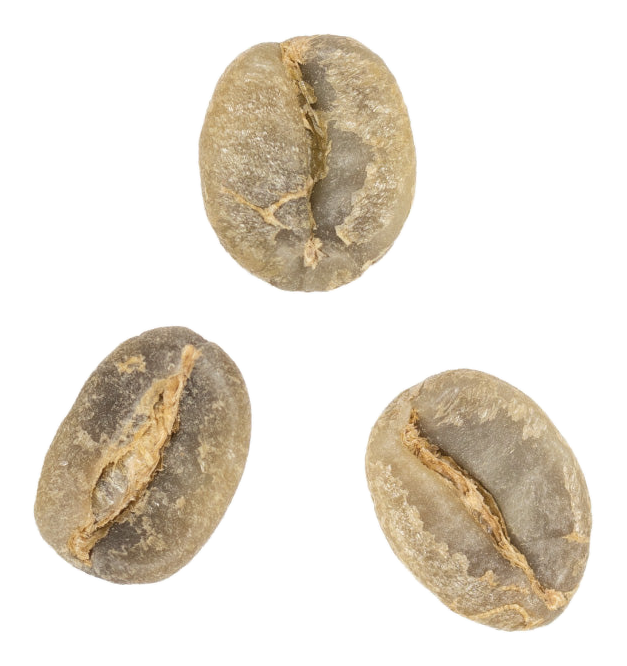
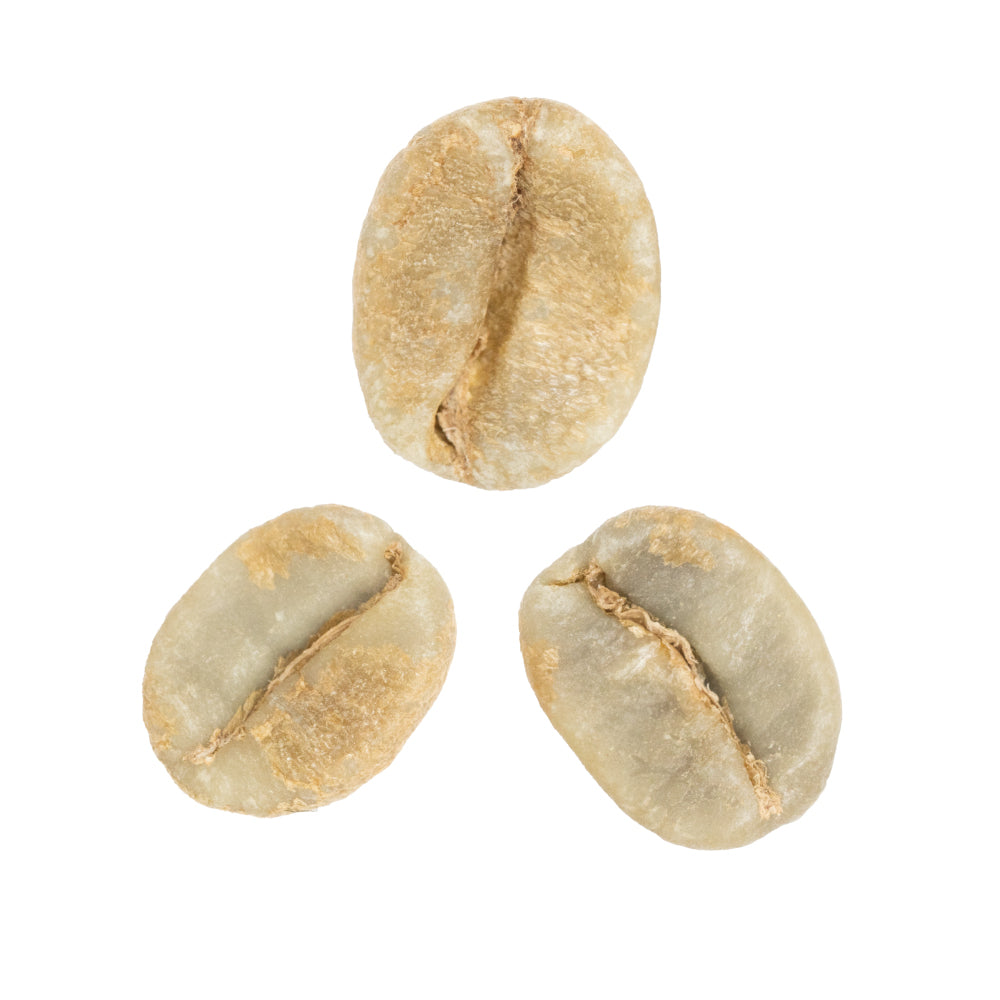
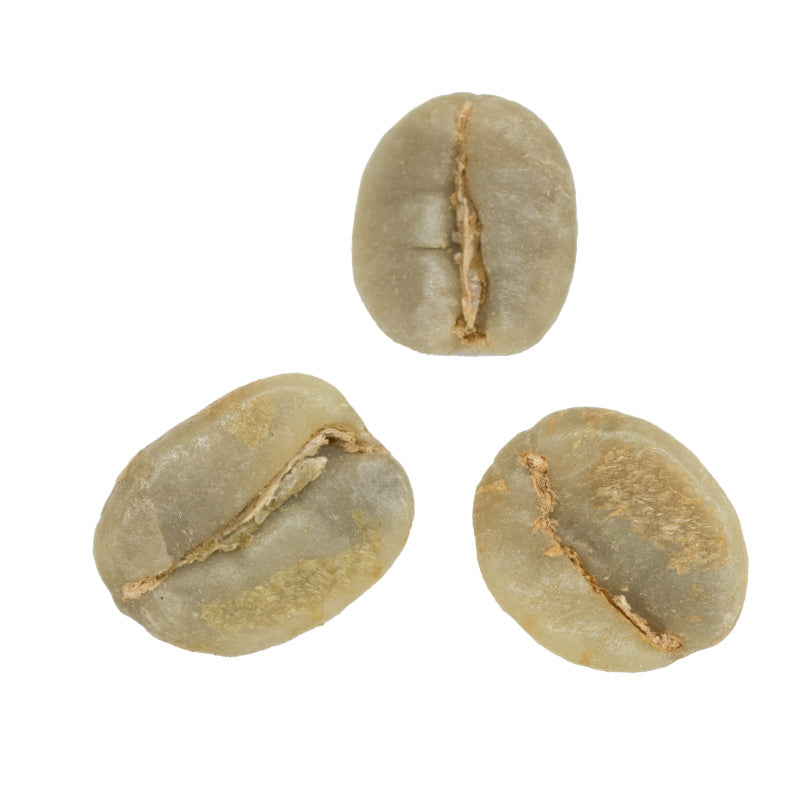
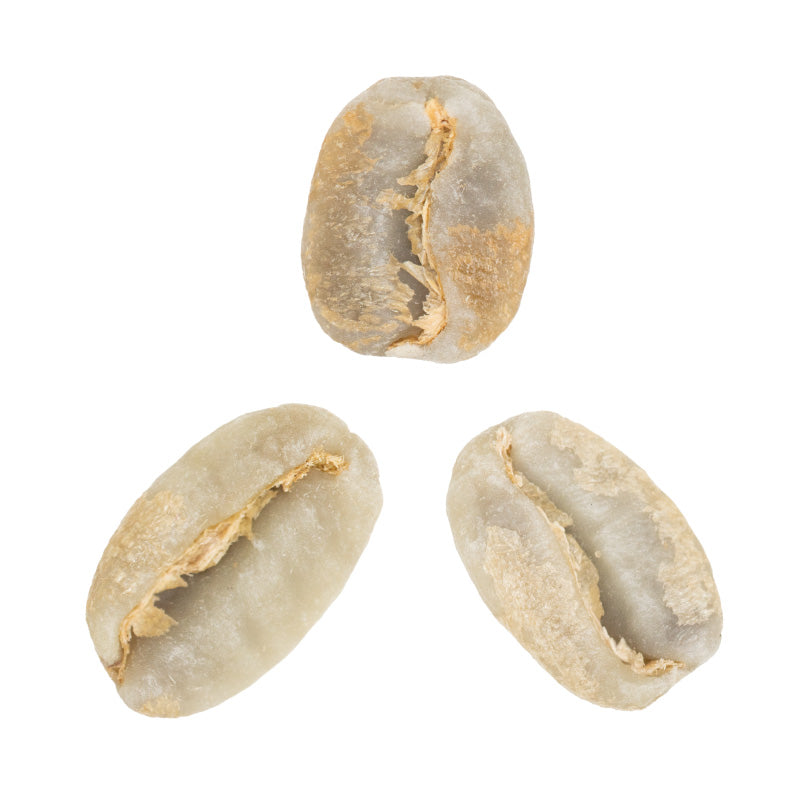
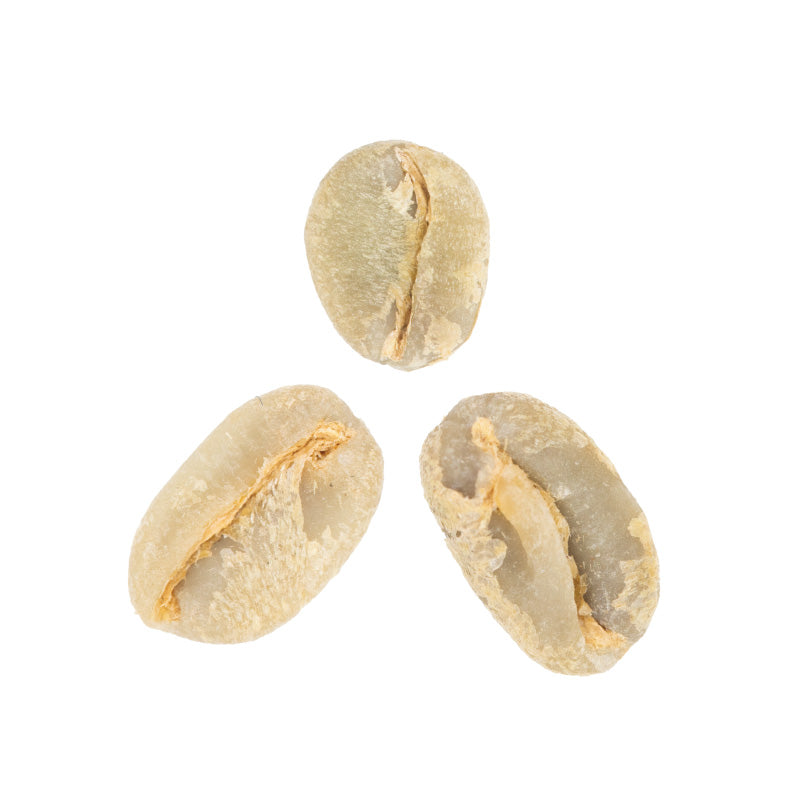
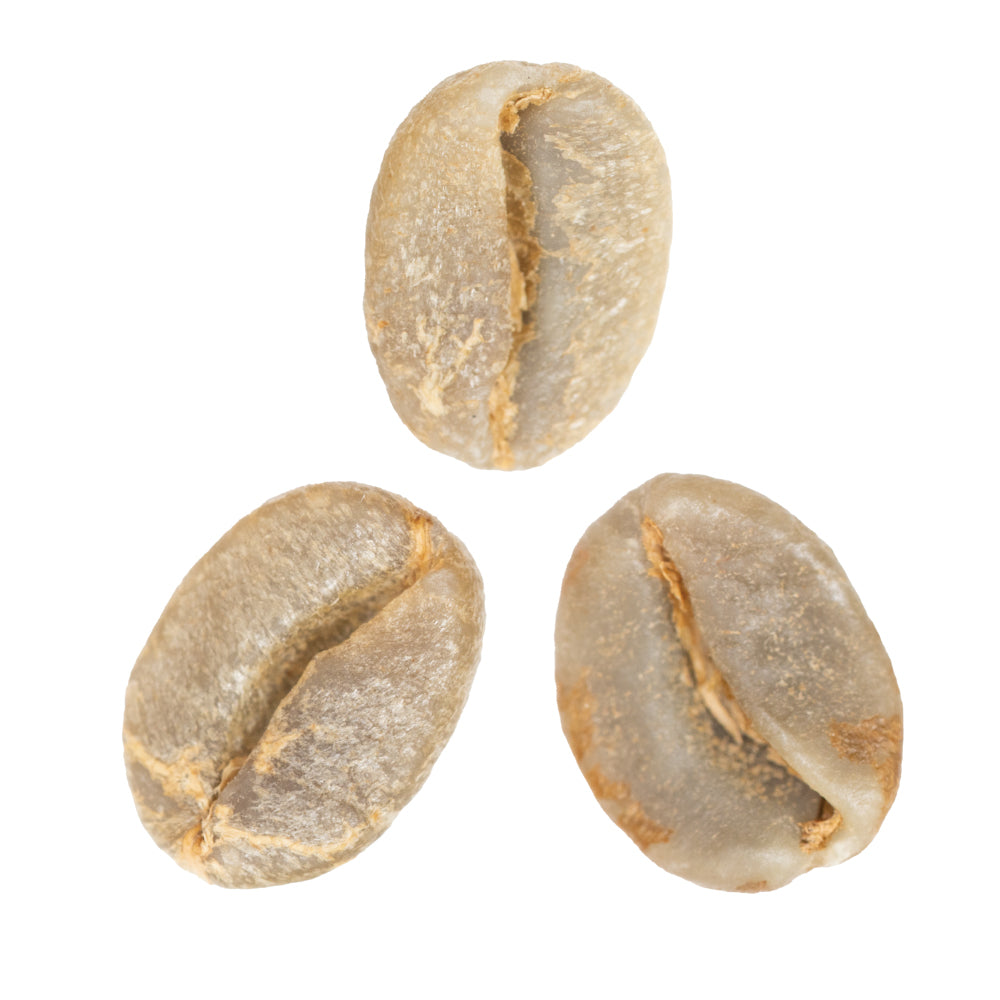
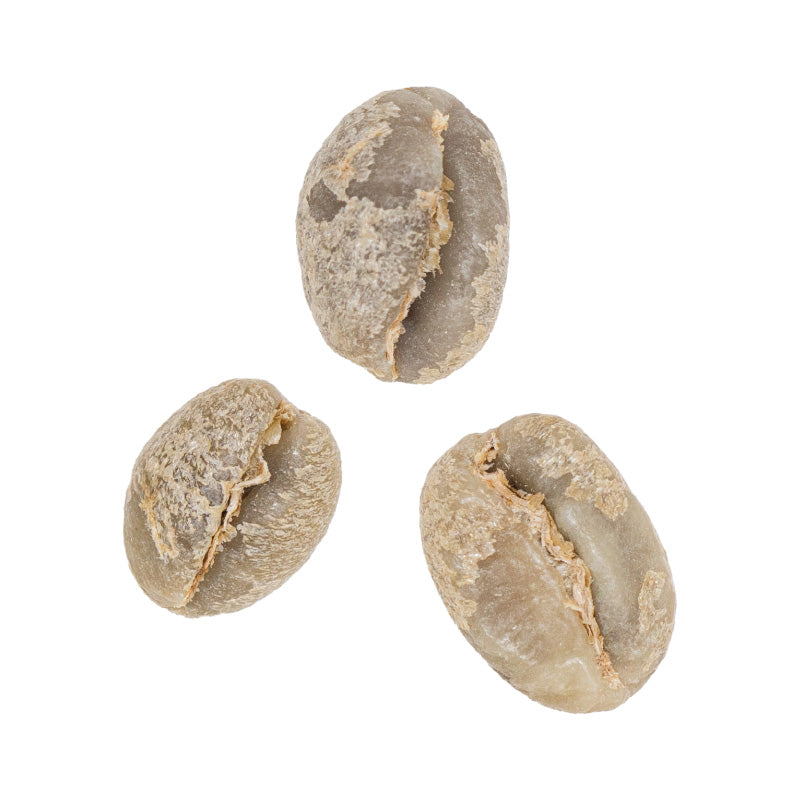
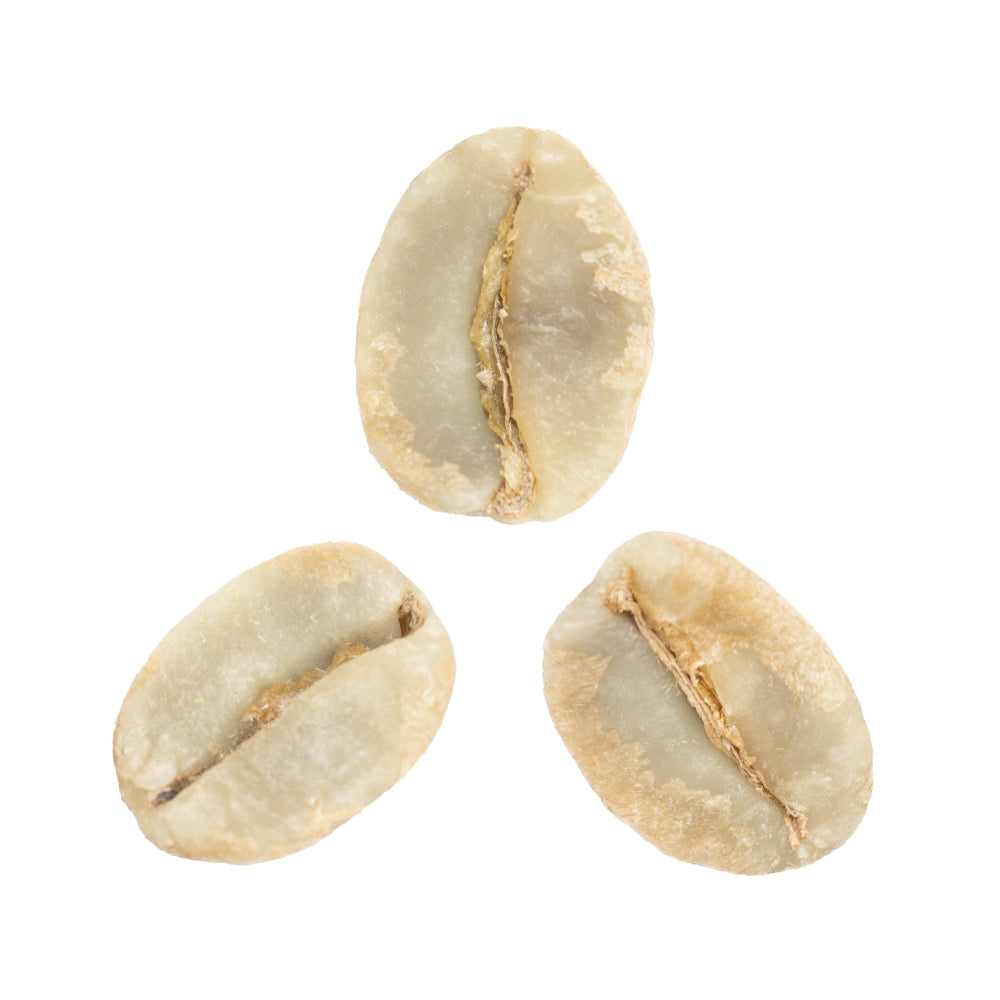
Three raw coffee beans on a white background

Heirloom

Heirloom represents Ethiopia's thousands of unclassified coffee varieties. These landrace coffees, passed down through generations, deliver unique fruity-floral profiles with bright acidity. Every cup offers a taste of coffee's living legacy from its birthplace.

learn more

Milenio

Milenio represents coffee's future through science. This F1 hybrid combines T5296's rust resistance with Rume Sudan's exceptional flavor. Developed in the early 2000s by CIRAD and CATIE, it delivers citrusy brightness and dark chocolate depth with reliable yields.

learn more

Peaberry

Peaberries are coffee's fascinating anomaly—single seeds that develop alone in the cherry instead of twins. This natural mutation occurs in 5-10% of any crop across all varieties. From their round shape to concentrated flavors, here's what makes peaberries special.

learn more

Pink Bourbon

Pink Bourbon represents coffee's beautiful mysteries. This Brazilian variety ripens to distinctive pink, offering improved disease resistance with exceptional flavor. From its unclear origins to strawberry-floral notes, here's everything about specialty coffee's pink gem.

learn more

Typica

Typica is the great-grandparent of all coffee varieties. First transported from Ethiopia to Yemen in the 1400s, this original Arabica spread globally, spawning Bourbon and countless mutations. Though low-yielding today, its clean, chocolatey sweetness remains prized.

learn more

Villa Sarchi

Villa Sarchi stands as Costa Rica's prized coffee mutation. Discovered in Sarchí in the 1950s, this Bourbon mutation produces 40% higher yields with exceptional flavor. From its compact, wind-resistant growth to chocolatey cups, here's everything about Villa Sarchi.

learn more