
Importer Profiles Main Page •
Back to Importer Overview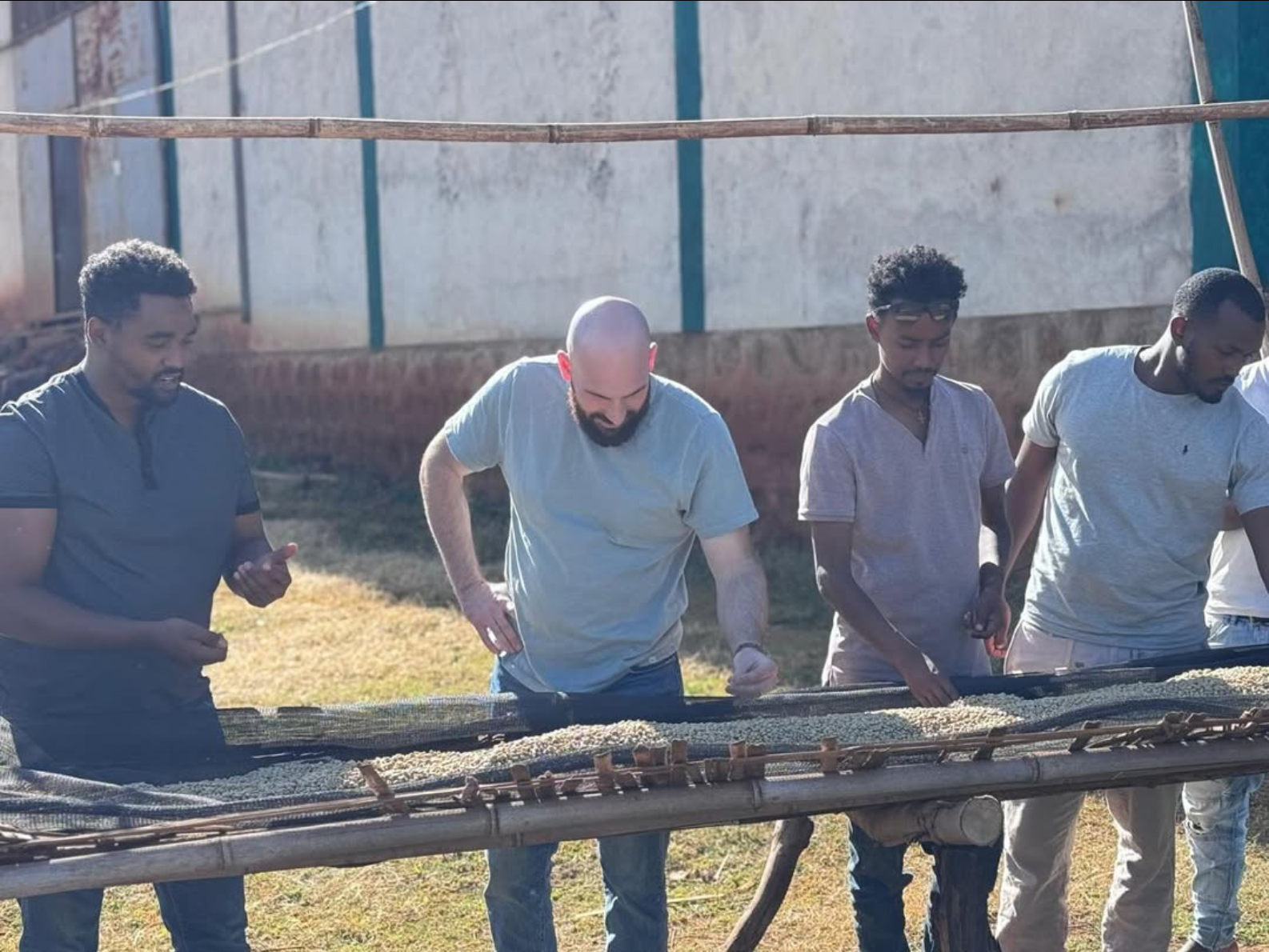
Brendan Vincent: Newland Coffee Imports
Some people are born into the specialty coffee industry. Others find their way there through persistence.
Brendan Vincent always wanted to be in coffee importing, but he lacked experience as a barista. So instead of importing coffee, he found himself importing animal feed--moving more than 200 containers a month of corn and soybeans.
But his passion for coffee never went away. He found a local roaster in San Diego who was willing to answer every question he could think of and spent time developing his palate. Eventually, he started his own company--Newland Coffee Imports.
What really got Brendan invested was spending a harvest season with a coffee producing family in Ethiopia. He experienced every step of the process--growing, harvesting, processing--while sharing daily life with the family, even celebrating Christmas together. Since then, he's been driven by a single mission: helping under-represented coffee producers find their voice in the U.S. market.
What Importers Actually Do
If you've read our producer profiles, you know we talk a lot about the farmers who grow our coffee. But between the farmer and the roaster, there's another piece of the supply chain that doesn't get talked about much--the importer.
The biggest part of an importer's job isn't paperwork or logistics. It's building relationships at origin. They go to producing countries to get to know farmers and understand their story. From there, the work becomes relationship management and risk management. Importers provide financing and quality control--and quality control is huge in this industry because coffee is built on trust. If you don't manage quality, you lose trust, and that affects everyone.
Brendan is the first to say the U.S. doesn't need another coffee importer. But there are producers who don't yet have representation here. Newland is small enough to go to under-represented regions and work with farmers who might otherwise be overlooked. As Brendan puts it, producers really sell themselves when you hear their story--he just gets to be their voice.
The Challenges
Tariff risk has been one of the biggest challenges facing importers right now. In South America especially, higher tariffs mean shipping companies prioritize low-tariff countries, which results in fewer boats available for shipping coffee. Managing that ongoing unpredictability has been a real challenge.
Finance has also become a bigger issue. Everything costs 10-20% more now, which means carrying less inventory and adjusting contract terms.
How It Works for Producers and Roasters
For producers, Brendan provides forward guidance and financing. He works through timelines together with them--when the harvest will happen, when coffee needs to be purchased--so they have the resources to make it through the season.
For roasters, Newland is small enough to operate like a boutique supplier. Some roasters want to cup samples after they arrive in the U.S. Others want market updates. The value of being small is the ability to meet those individual needs.
The word that bothers Brendan most is "middleman." Importers aren't opportunistic businessmen. They're idealists. Their job is to support both the farmer and the roaster, and to represent producers as faithfully as possible. They're an essential part of the supply chain.
The Sagebrush Connection
Our relationship with Newland started the way a lot of good things in coffee do--by accident.
We were cupping with our friends at Necessity Coffee in Encinitas when a guy named Brendan happened to be there and hopped into the cupping with us. He mentioned he was an importer looking to get the ball rolling on a new venture, and we exchanged info. At the time it was just your typical networking chit chat.
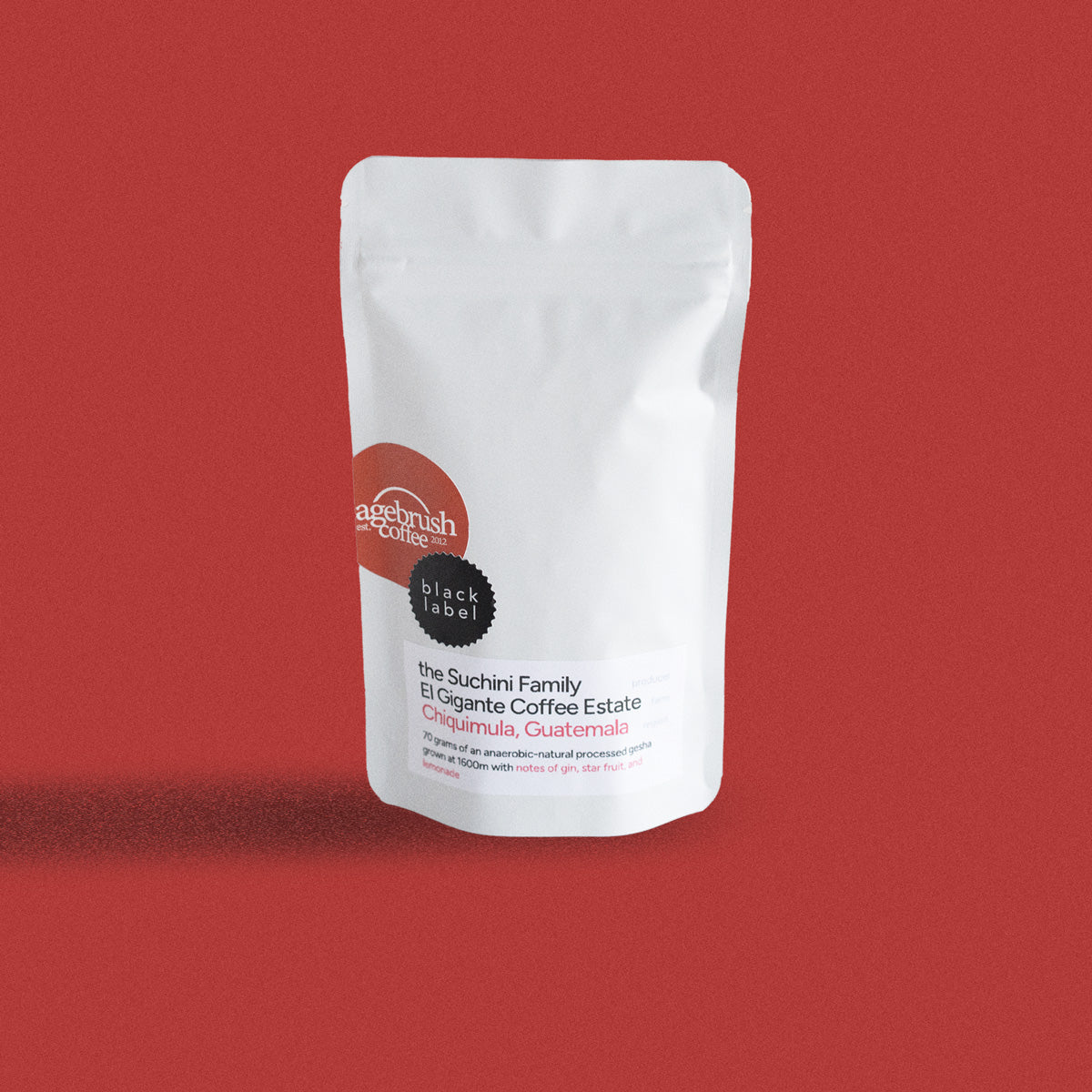
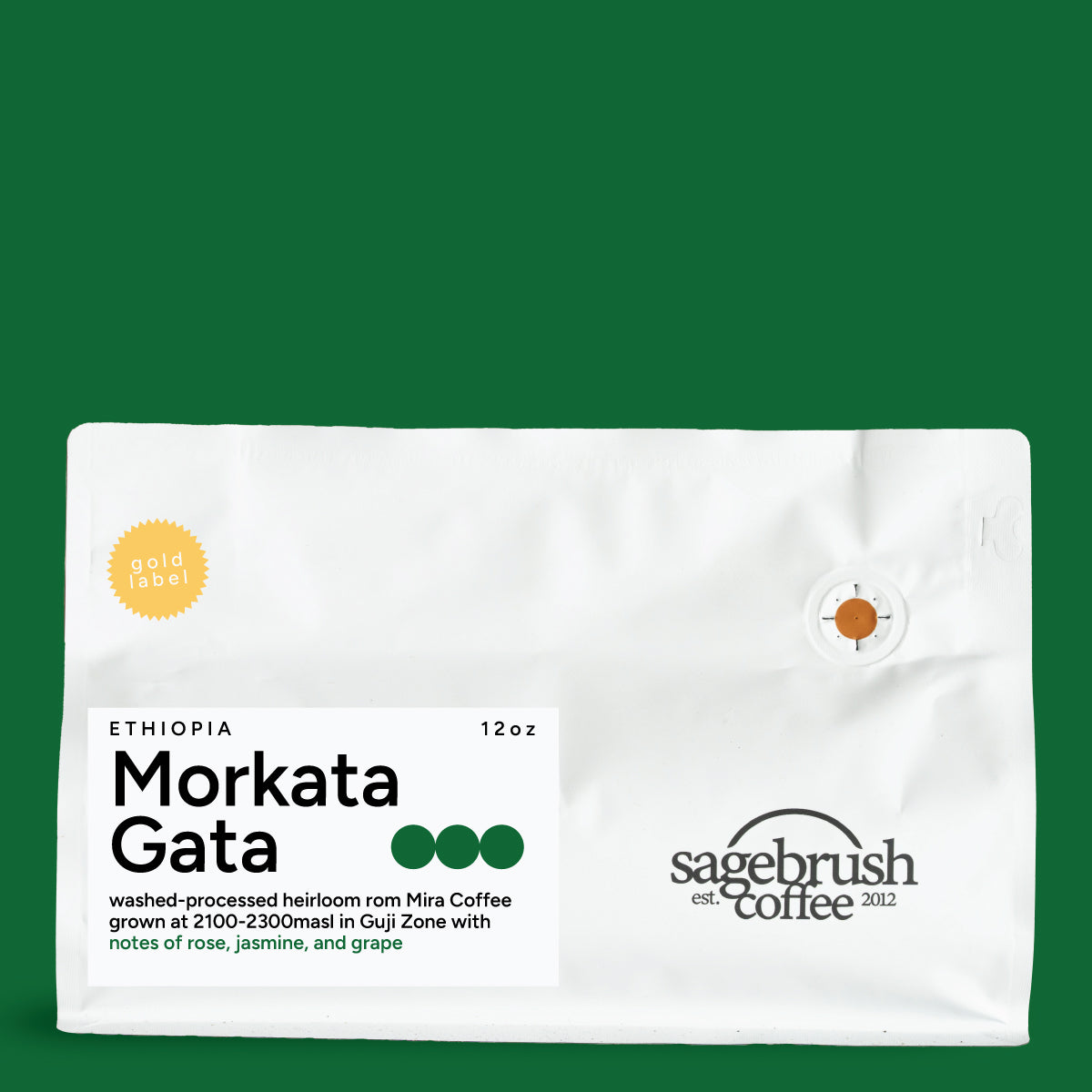
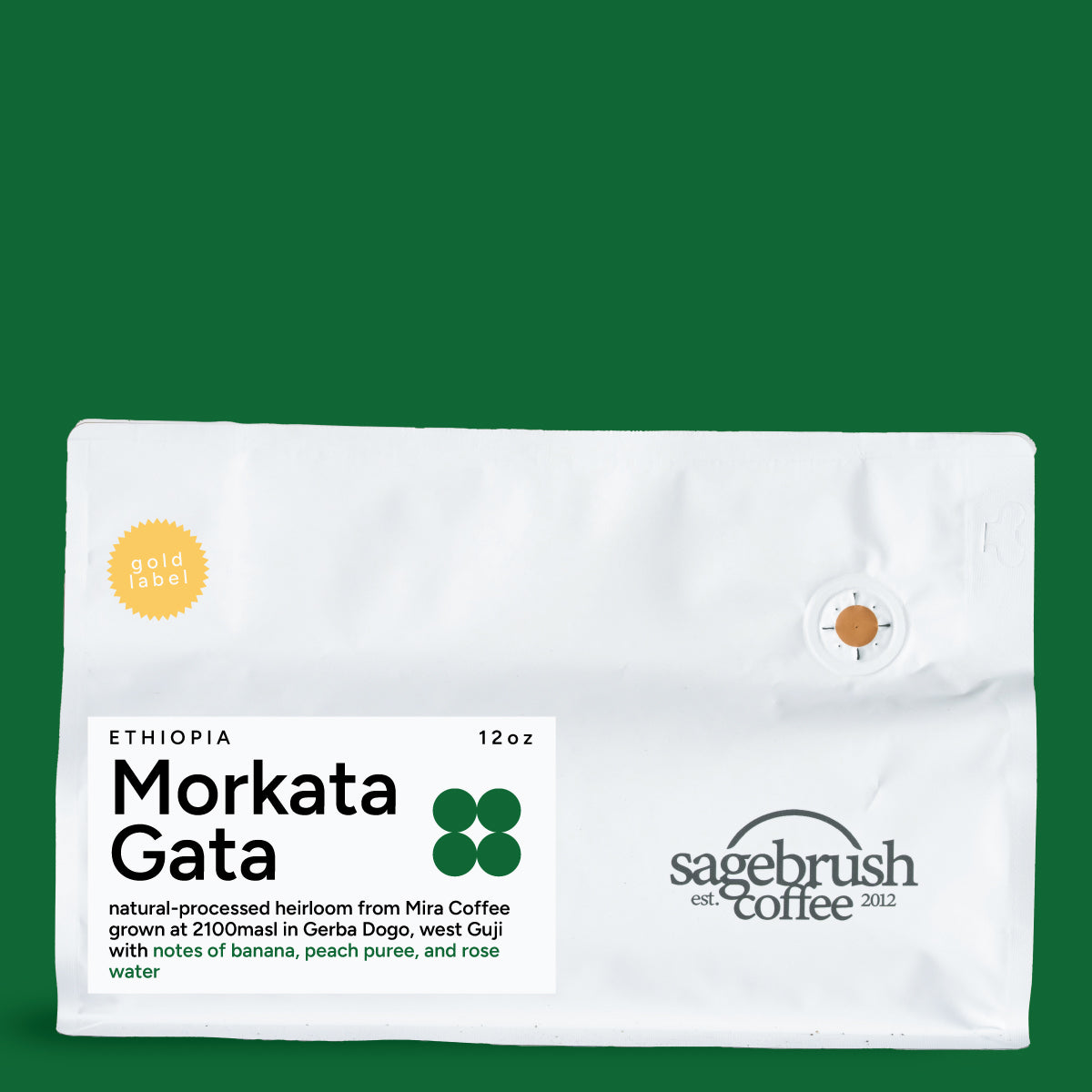
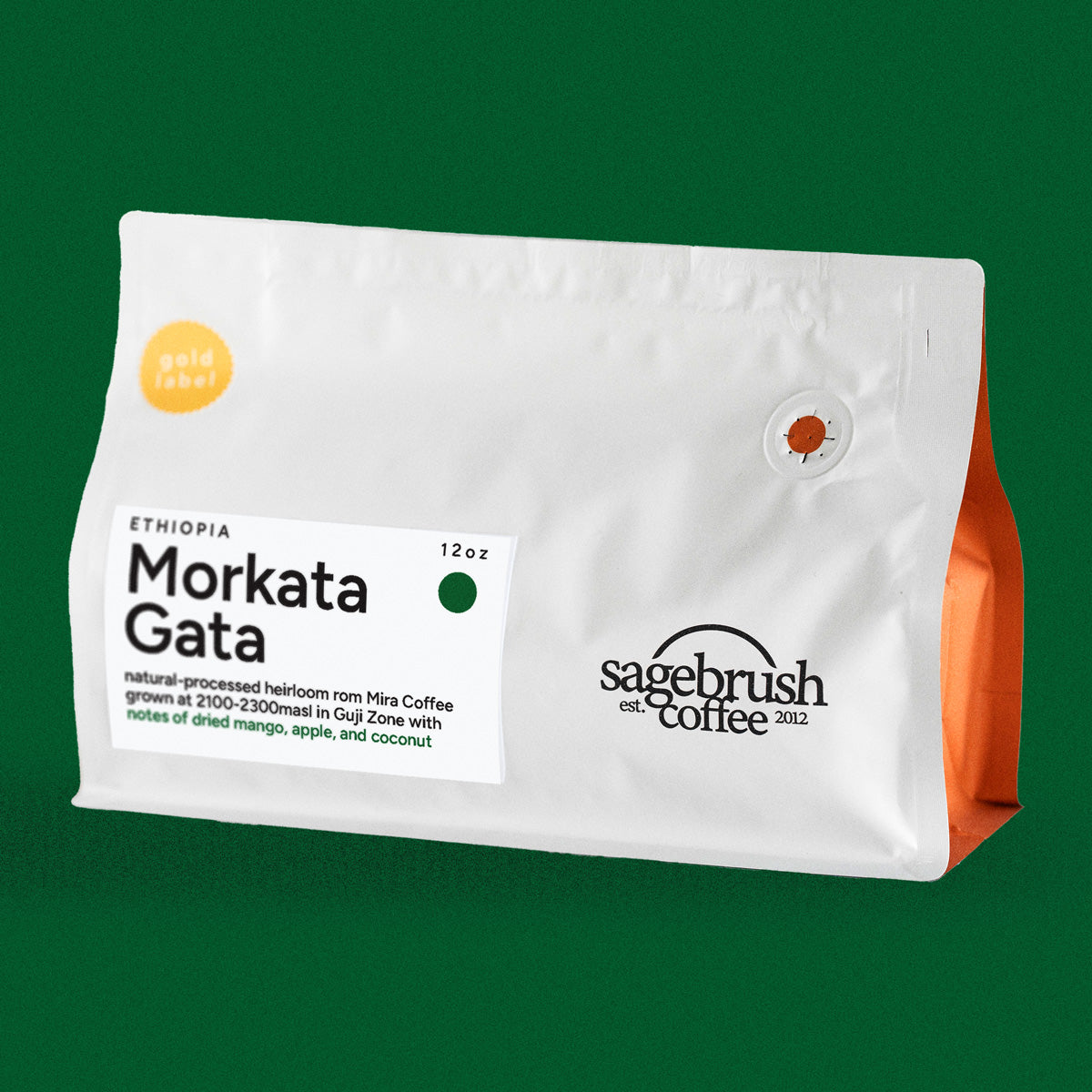
But about a month later, Brendan swung by the shop when I was in. He said hi and dropped off a sample of an auction lot Guatemalan and some Ethiopian coffees. We cupped them like we do with any samples and were immediately impressed with the complexity of these Ethiopian coffees from Morkata.
That was the moment we knew this was going to be a great partnership.
What drew us to Brendan is the same thing that draws us to the producers we work with--he cares about the people behind the coffee. The specialty coffee industry is unique in that people don't really see each other as competitors, but as colleagues. Everyone is excited to taste what you have. It's not about taking the biggest piece of the pie; it's about expanding the pie for everyone.
We're looking forward to connecting with Brendan at World of Coffee this April, and we're hoping to travel to Ethiopia with him later this year to meet some of the producers he works with firsthand. That's the kind of partner we want in our supply chain.