Quick Guide

What is this coffee?

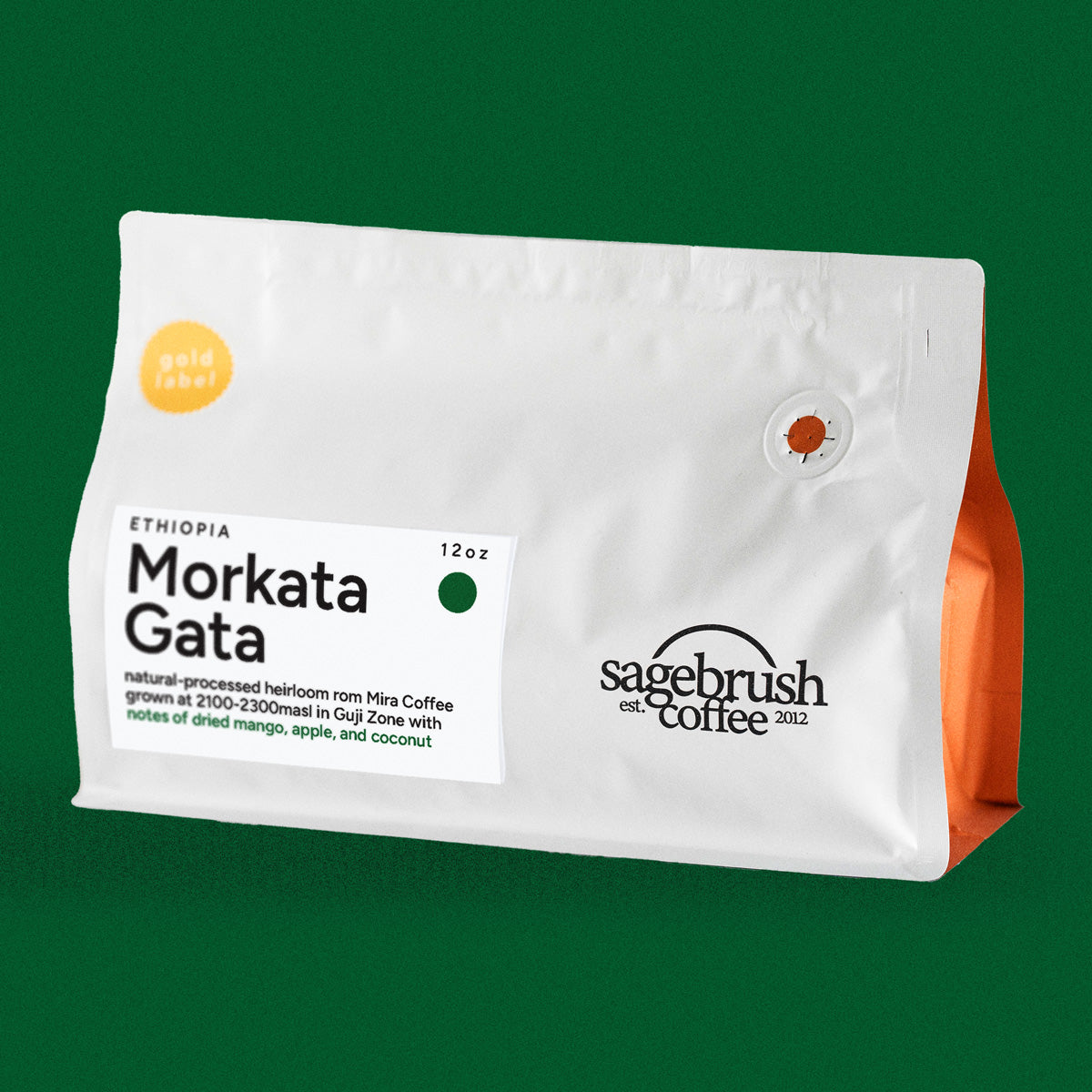
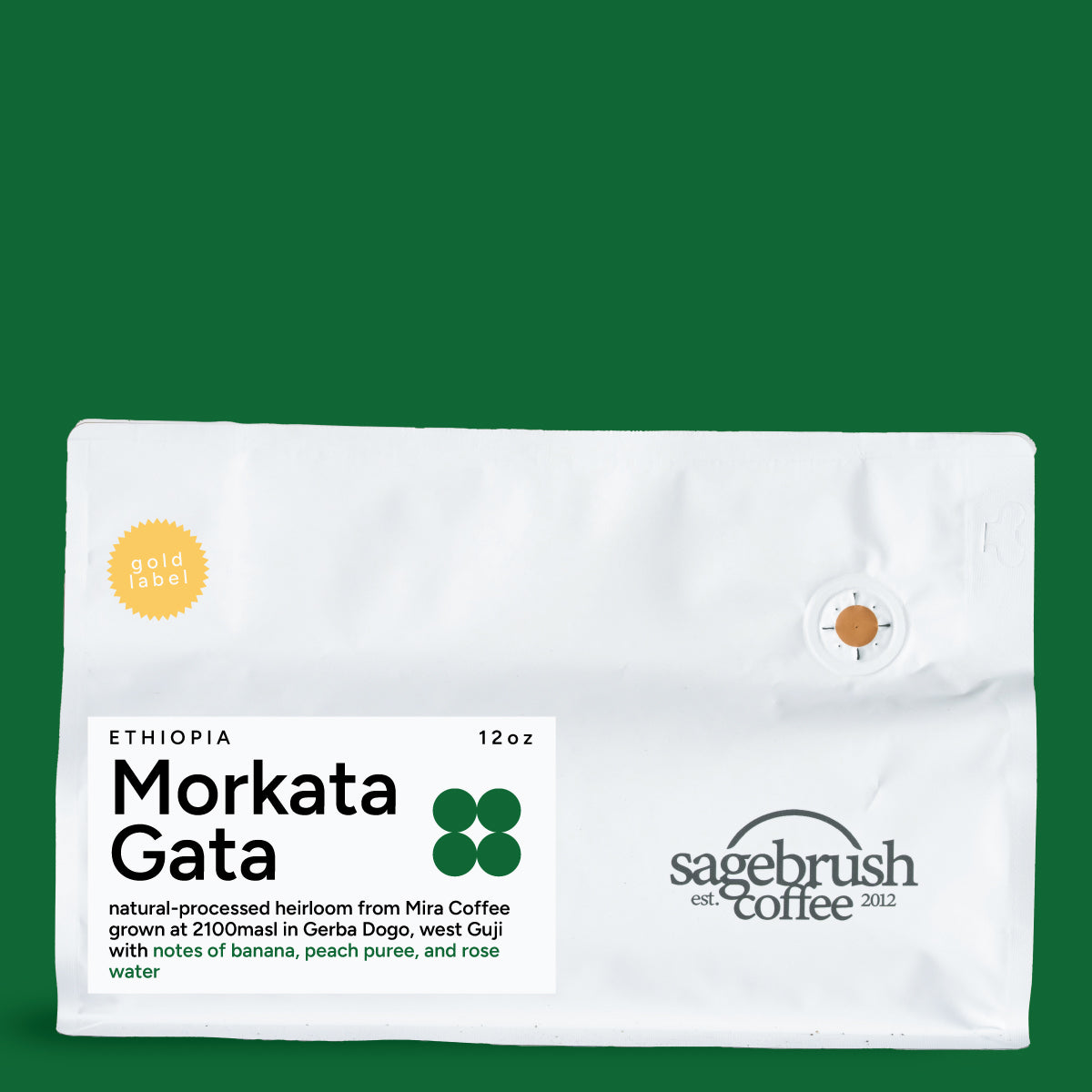
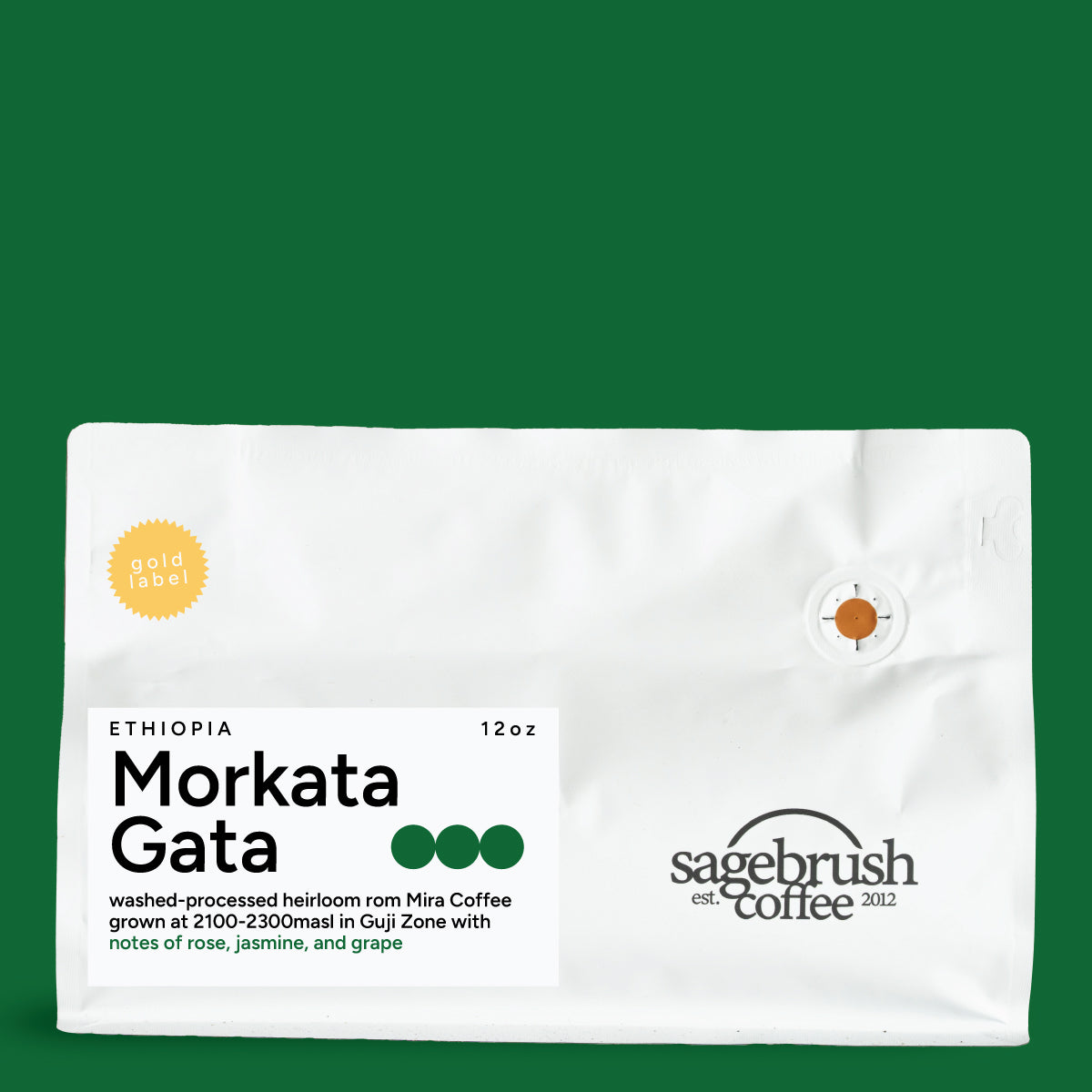
It’s a breath of fresh air to have an Ethiopian coffee back in our mix. In all transparency, we really have had a hard time the past few years honing in on an Ethiopian coffee we’ve genuinely loved. Most everything either quickly becomes out of our price range or just doesn’t shine on the cupping table in the ways we expect an Ethiopian coffee to. This lot from Morkata is different though. Very fairly priced for the cup quality, we were very impressed with the clarity and soft sweetness that this natural processed coffee has. We don’t pick up an intense acidity, more so a muted sweetness, which frankly I’ve been craving lately. A bit of rest really helps open this coffee up a bit. Highly recommend!
-Jonathan

Processing Method

Natural Process- Natural processing dries whole cherries with fruit intact. As microorganisms ferment the sugars, they create bold, wine-like flavors with thick body and mild acidity—extravagant and fruity compared to other methods.

Country

Ethiopia- Ethiopia, the birthplace of coffee and fifth largest producer globally, grows over 1,000 varieties naturally at high elevations. Three key regions, Yirgacheffe, Sidamo, and Harrar, produce distinct profiles from sweet and fruity to wild and jammy, making Ethiopian beans world-renowned.

Altitude

2100-2300masl - Altitude is typically correlative to the potential complexity of a coffee bean. The higher in altitude the coffee is grown, the denser the bean will be, resulting in a more dynamic cupping experience.

Classification

Gold Label- Gold label coffees represent the most of what Sagebrush's mission is: direct relationships, readily available, reasonable mid-tier pricing, and an excellent cup profile. This is our company standard, the coffees we're drinking on a daily basis here at the shop.

Variety(s)

Heirloom

All about the coffee

Meet Morkata Gata

Our relationship with Newland coffee (Brendan) began when we were cupping with our friends at Necessity coffee in Encitas. Brendan happened to be there at the time and hopped into the cupping with us. He mentioned that he was an importer looking to get the ball rolling on this new venture of his and we exchanged info, kind of your typical networking chit chat. A month goes by I’m in the shop and Brendan swung by, said hi, and dropped off a sample of an auction lot of Guatemalan and some Ethiopian coffees.

We cupped them like we usually do samples and were very impressed with the complexity of these Ethiopian coffees from Morkata. Immediately we knew this was looking to be a great partnership and bought a pallet of Morkata’s washed and natural offering. We plan to meet Morkata and get to know him further this coming spring of 2026, and we hope to make it to his operation in Ethiopia and learn even further about him and his methodology in coffee production Q4 of 2026.

Learn More About Morkata Gata

Heirloom

Grandmother's pearls. A priceless brooch.

When you think of the word "heirloom," chances are you think of some valuable family possession passed down through the generations.

But in the specialty coffee world, the term "heirloom" means something a little different. It refers to older, traditional varieties of coffee that have been passed down through farmer selection rather than formal scientific breeding.

Heirloom Coffee: Ethiopian Landrace Varieties & Flavors

Natural Process

In natural processing, the cherries are picked at peak ripeness and laid out to dry whole—fruit and all. As they slowly ferment in the fruit, the beans develop bold, distinctive flavors. It’s a riskier method, but those fruit-heavy beginnings can dramatically shape the final flavor.

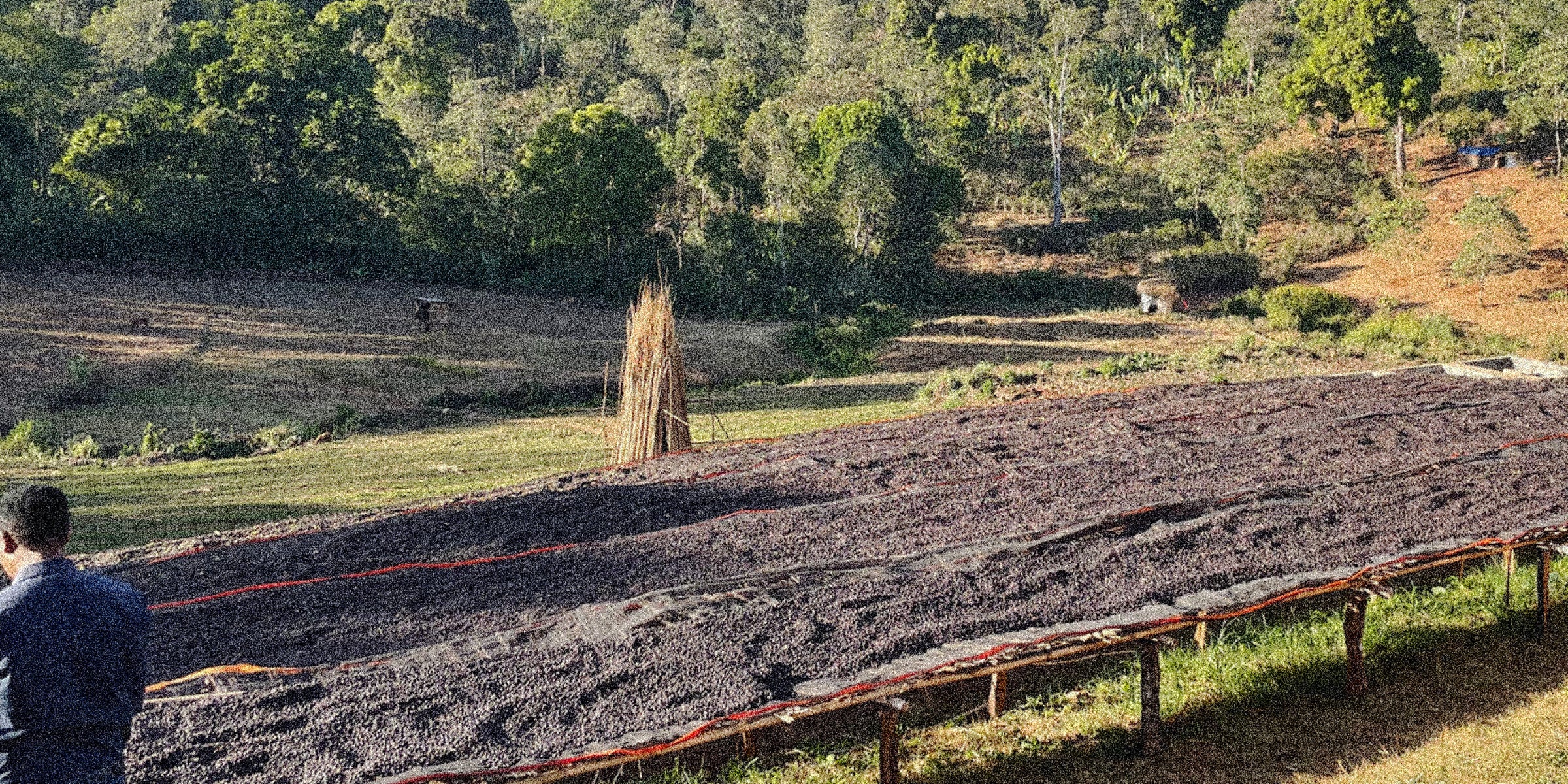
This lot of coffee was harvested at peak ripeness and immediately moved to raised drying beds to allow for optimal evenness when drying.

Natural Process

Ethiopia

Blackberry. Jasmine. Citrus. Honey. Few coffees in the world can pack a flavor spectrum as vibrant as Ethiopian beans—and there’s a reason they consistently earn top reviews. If you’ve ever wondered why Ethiopian coffee tastes unlike anything else, the answer begins deep in the country’s ancient forests, where wild coffee still grows today. Because, as you may or may not know, Ethiopia is the birthplace of coffee. 

Coffee Terroir Guide: The Birthplace of Coffee - Ethiopia