Check out our legacy blog posts

Sagebrush coffee has been known for our coffee education for over a decade. We used to showcase this with a traditional blog, writing articles constantly.

In our latest iteration of our website we have created an extensive education al portal with specific intentional articles showcasing what we learn at origin with the the coffee community at large.

read below to see our legacy articles or link here to our new learning portal.

Education Portal

Legacy Blog Articles

Sagebrush Coffee Education

Panama | A Frontrunner in Specialty Coffee
  • by Kourtney Marie Camm

Panama | A Frontrunner in Specialty Coffee

  I spent a few weeks in Panama (pa•nuh•maa) the summer before my senior year of high school. I was traveling with school and visited Gamboa, Bocas Del Torro, Panama City, and the Embera Drua Village. As a young girl...

Read moreabout Panama | A Frontrunner in Specialty Coffee

Peach graphic with "Coffee in Honduras" in pink and black text.
  • by Matthew Kellso

Honduras | From Underdog to Central American Favorite
Honduras (haan•dur•uhs) has long been known as the underdog of the coffee community. Historically, Honduran coffee beans were known to be mild and mediocre, which made them the perfect base for coffee blends. Now, Honduras is the leading producer of coffee in...

Read moreabout Honduras | From Underdog to Central American Favorite

Graphic says Coffee in Rwanda with a Rwandan country icon
  • by Jonathan Kellso

Rwanda | A Story of the Greatest Coffee Comeback
Although only 60 years old, Rwanda (ruh•waan•duh) has one of the richest and most distinguished histories of any country in the world. Its development into independence in 1962 sparked some of the most brutal years a country could experience. From...

Read moreabout Rwanda | A Story of the Greatest Coffee Comeback

Brazil | The World's Leading Coffee Producer
  • by Karla Walker

Brazil | The World's Leading Coffee Producer

Coffee in Brazil: History, Geography, and a Song?   Brazil (bruh•zil) has a long history of coffee production and blazing the trail for new and creative ways to enjoy coffee. It's the largest producer of coffee in the world, but just because...

Read moreabout Brazil | The World's Leading Coffee Producer

Papua New Guinea | A Unique and Complex Origin
  • by Karla Walker

Papua New Guinea | A Unique and Complex Origin

  Papua New Guinea (paa•poo•uh nu gi•nee) takes the challenges of growing and selling coffee to a whole new level. Because of the country's remote nature and a handful of other variables, it is hard for producers to get their...

Read moreabout Papua New Guinea | A Unique and Complex Origin

Ecuador | A Small Country With Huge Potential in the Coffee World
  • by Karla Walker

Ecuador | A Small Country With Huge Potential in the Coffee World

Coffee was first grown in Ecuador (eh•kwuh•dor) back in 1860. Farmers established plantations in coastal areas to produce instant coffee. Coffee grown in this area today is still used for instant coffee because of the high demand locally in Ecuador, but...

Read moreabout Ecuador | A Small Country With Huge Potential in the Coffee World

Peru | Creating Coffee Co-Ops to Improve Quality and Help Farmers
  • by Karla Walker

Peru | Creating Coffee Co-Ops to Improve Quality and Help Farmers

Peru (pr•oo) started growing coffee in the 1700s. For much of the country's history, coffee was kept as a domestic product. But, in the early 1900s, foreign investments made it possible for Peru coffee growers to reach coffee drinkers beyond their...

Read moreabout Peru | Creating Coffee Co-Ops to Improve Quality and Help Farmers

Kenya | An Innovative Pathmaker in Coffee
  • by Matthew Kellso

Kenya | An Innovative Pathmaker in Coffee

Kenya (ken•yuh) possesses a handful of unique characteristics within its coffee industry that make it stand out from the rest. The country was one of the last African countries to be introduced to coffee as a cash crop and, as a result,...

Read moreabout Kenya | An Innovative Pathmaker in Coffee

Burundi | Defying Obstacles & Becoming a Force in the Coffee World
  • by Zoe Maiden

Burundi | Defying Obstacles & Becoming a Force in the Coffee World

Burundi History and Geography We have had the privilege of offering some unique and delicious coffees from Burundi (br•oon•dee) over the years. Not many people are aware of Burundian beans, or even the country as a whole. I am hoping to change...

Read moreabout Burundi | Defying Obstacles & Becoming a Force in the Coffee World

The Coffee Journey

Explore all that goes into your morning cup
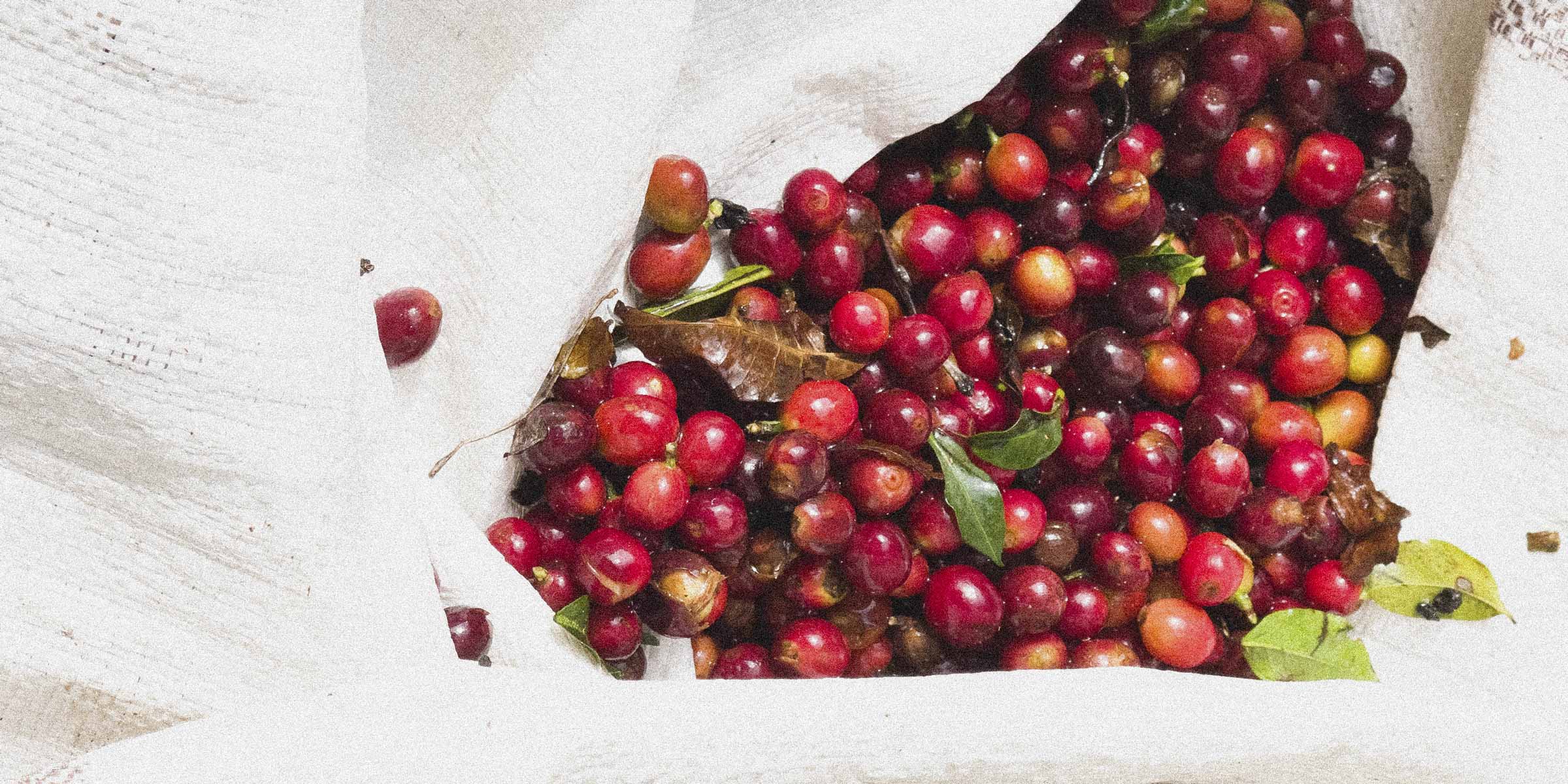
Bag of red and green coffee cherries on a white background

Variety

Coffee Varieties Guide

Like apples, coffee has thousands of varieties with unique flavors. Explore Arabica cultivars from Gesha to Bourbon and how genetics shape your perfect cup.

learn more

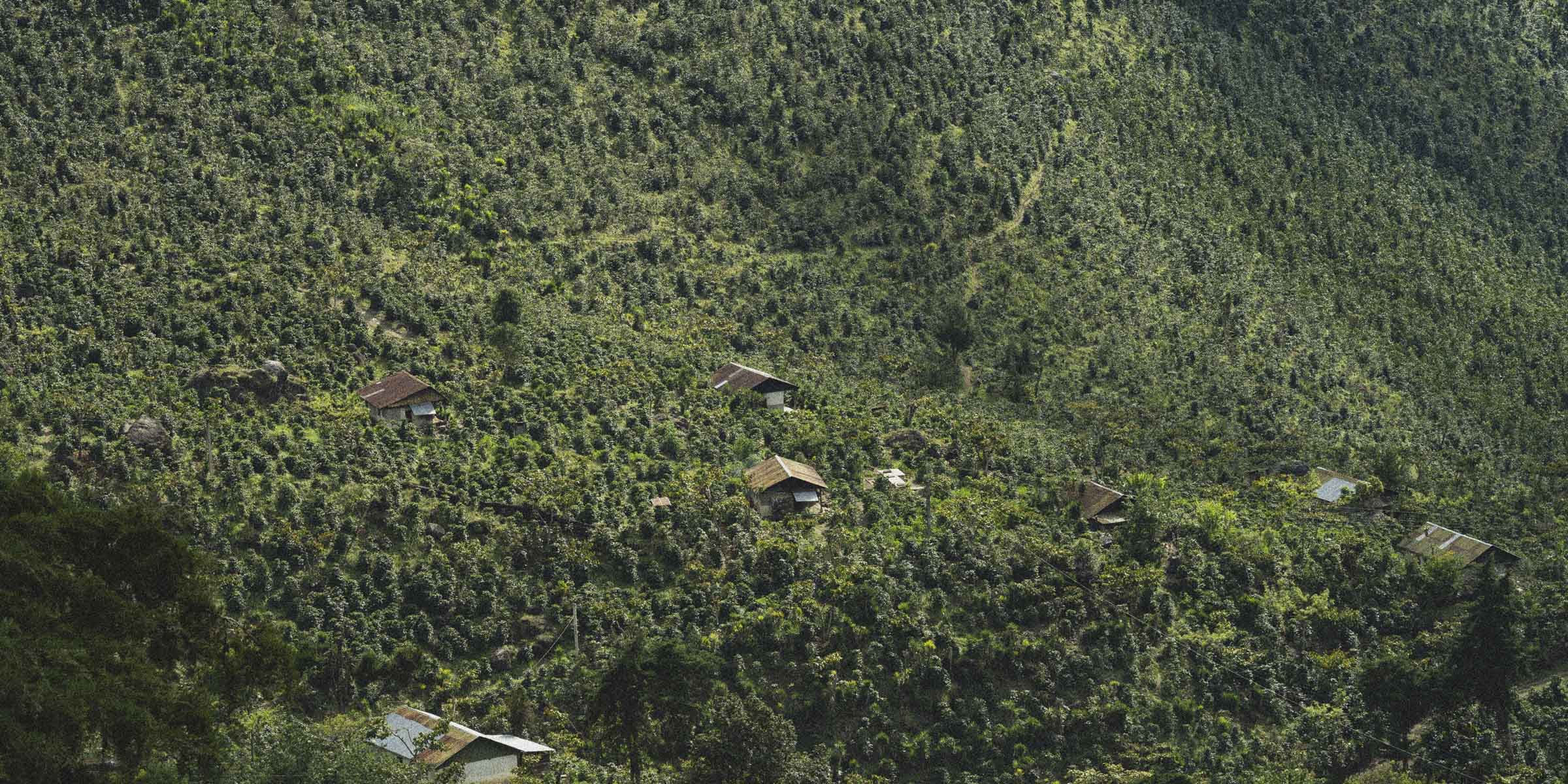
Multiple houses amongst a specialty coffee farm

Origin

Coffee Terroir Guide

Origin is one of three pillars determining coffee's taste, alongside roasting and brewing. From variety selection to elevation, processing to country culture, every decision at origin shapes your cup. Here's how terroir transforms seeds into distinctive flavors.

learn more

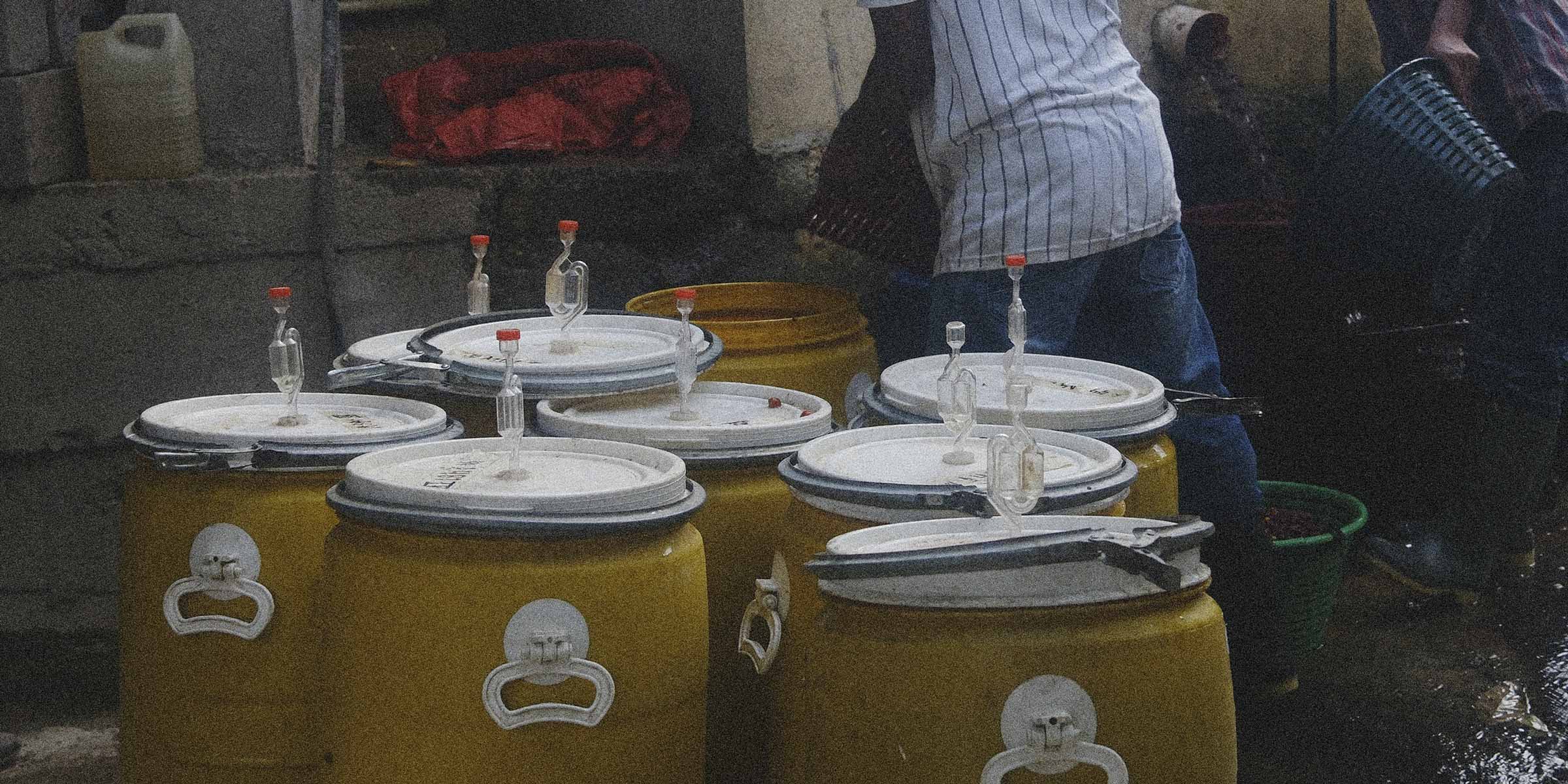
Yellow barrels with white lids on a stone floor, with people and bottles in the background.

Processing

Coffee Processing Guide

How specialty coffee goes from cherry to green bean—hand-picking, sorting, fighting pests and disease, and the processing methods that shape flavor.

learn more

Coffee beans roasting in a fluid bed roaster at Sagebrush Coffee in Chandler, Arizona

Roast

Coffee Roasting Overview

Coffee roasting isn't just about turning beans brown—it's a complex process of chemistry, timing, and heat that creates over 800 flavor compounds from a simple green seed. Understanding this transformation reveals why your morning cup tastes the way it does.

learn more

sagebrush coffee pour over bar with a barista measuring specialty coffee beans on a scale

Brew

Coffee Brewing Basics

Everything that goes into great coffee comes down to the brew. Here's what matters most: grind size, water temperature, and brewing method.

learn more