


 Honduras (haan•dur•uhs) has long been known as the underdog of the coffee community. Historically, Honduran coffee beans were known to be mild and mediocre, which made them the perfect base for coffee blends. Now, Honduras is the leading producer of coffee in Central America. A versatile range of flavors can be discovered in Honduran coffees, but the best-rated often have complex fruity flavor notes, with a bright and juicy acidity.
The introduction of coffee to Honduras is still a bit of a mystery. The earliest record of coffee production is dated back to the early 19th century when it was transported from the Caribbean. It was introduced under Spanish ownership but gained momentum after Honduras achieved independence. At the time, it was the second biggest export, only topped by bananas. By 2001 however, the production of coffee increased dramatically and became the primary cash crop within the country.
Due to Honduras' late blossoming and lack of infrastructure, it was challenging at first for them to produce high-quality coffee. In 1970, the Instituto Hondureño del Café was established to improve quality by using coffee-tasting laboratories to assist local farmers. By 2011, Honduras was producing six million bags of high-quality coffee, which is more than Guatemala and Costa Rica combined! Around 110,000 families are involved in the coffee business across the country.
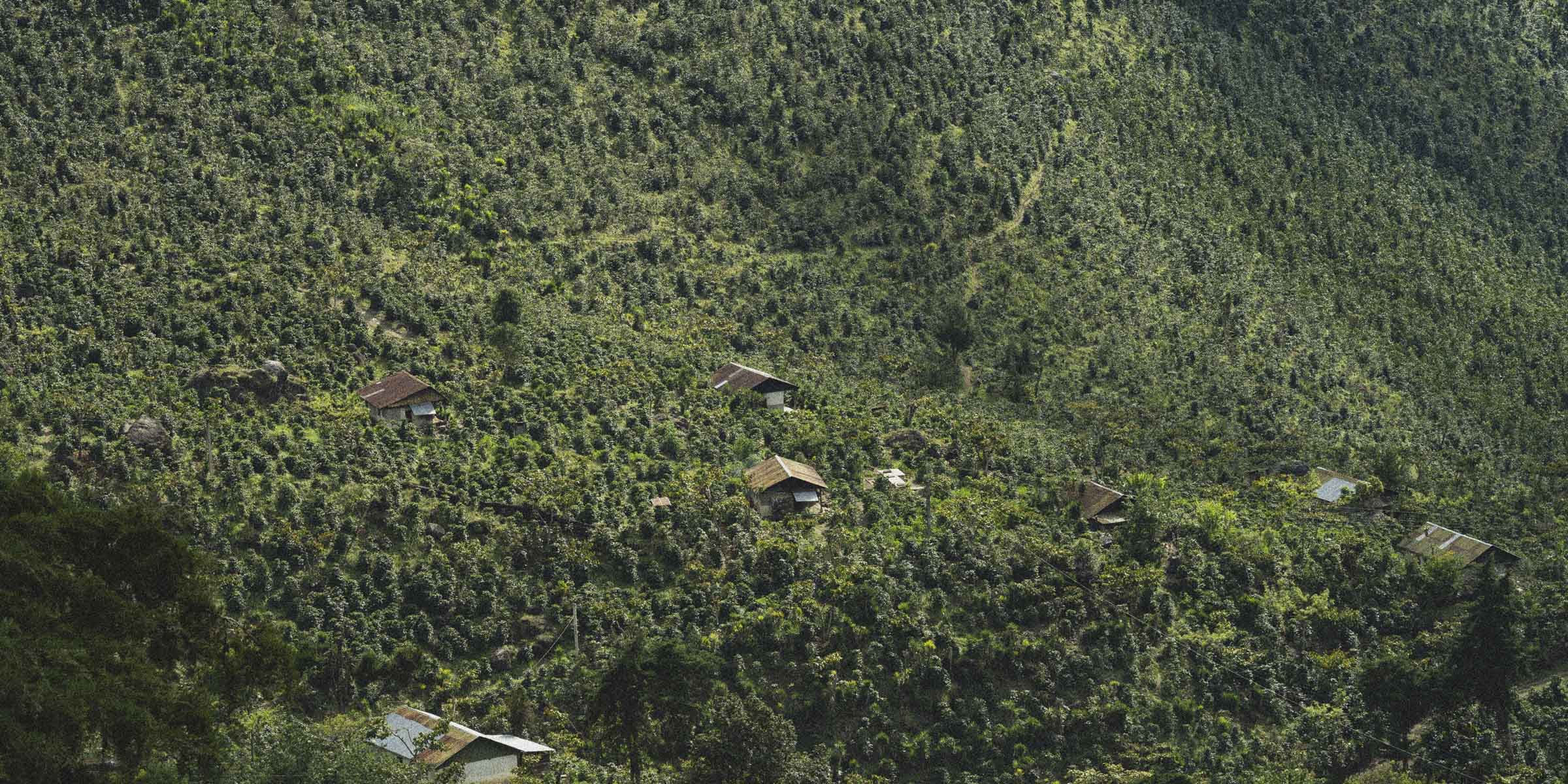
Sandwiched between the Caribbean Sea and the Pacific Ocean, most of the coffee is grown closer to the central mountain regions. Although the land is opportune for producing coffee, the high rainfall often makes the beans challenging to dry after processing. The high growing elevations and increased investments in coffee growth allow for organic coffee to be easily accessed. In fact, most of the certified organic coffees we've offered at Sagebrush have come from Honduras. You can learn more about the organic certification process, along with other coffee certifications, in a blog I wrote a few years ago.