Quick Guide

What is this coffee?

Decafs have been harder to get ahold of this year, but that hasn’t stopped us from striking gold with this coffee. A complex cup is hard to come by in a decaf, but we were thoroughly impressed with how this coffee cupped. A bright malic acidity comes forth in a way I’m unfamiliar with in a decaf followed by a really rich cocoa powder finish. You can tell just from a pour over that you can brew this on whatever you want and you’ll get great results. 

-Jonathan

Processing Method

Washed Process- Washed processing is coffee's most common and reliable method. Through depulping, controlled fermentation, and thorough rinsing, this water-intensive process minimizes variables to produce clean, bright cups that showcase origin characteristics and variety.

Country

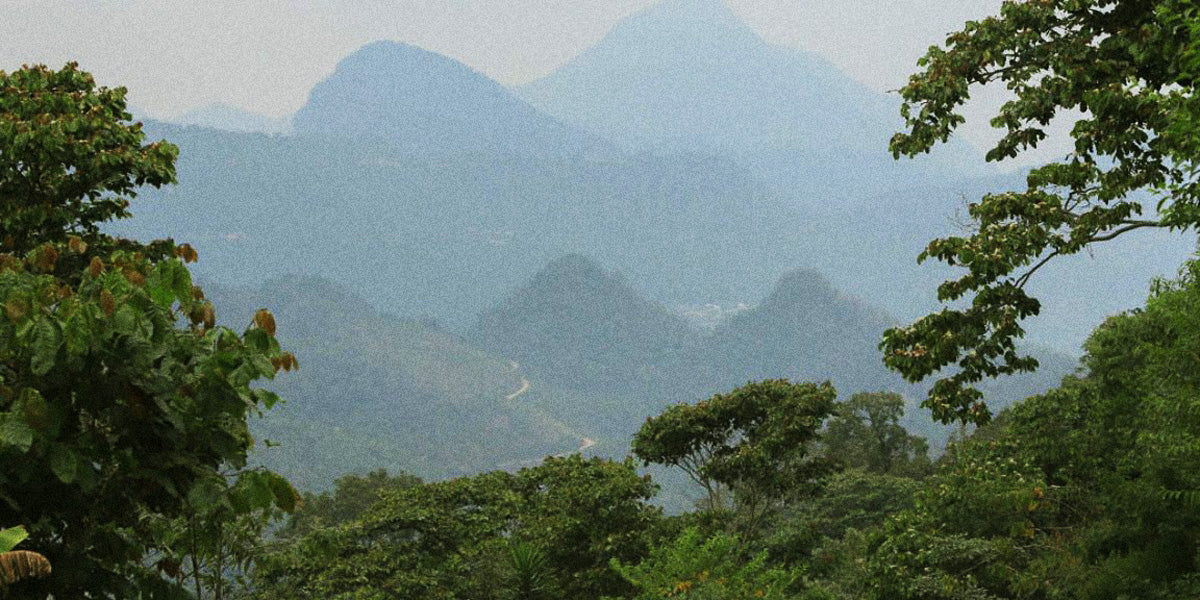
Mexico- Standing on a Guatemalan coffee farm, Edwin pointed to Mexico just across the valley. Same mountains, same soil, same climate - but half the price. The difference isn't quality, it's infrastructure. That's changing, and Mexico is about to show what it's been hiding.

Altitude

1200-1900m - Altitude is typically correlative to the potential complexity of a coffee bean. The higher in altitude the coffee is grown, the denser the bean will be, resulting in a more dynamic cupping experience.

Classification

Gold Label- Gold label coffees represent the most of what Sagebrush's mission is: direct relationships, readily available, reasonable mid-tier pricing, and an excellent cup profile. This is our company standard, the coffees we're drinking on a daily basis here at the shop.

Variety(s)

Caturra, Typica, Costa Rica

All about the coffee

Meet The Chiapas Mountain Water Decaf

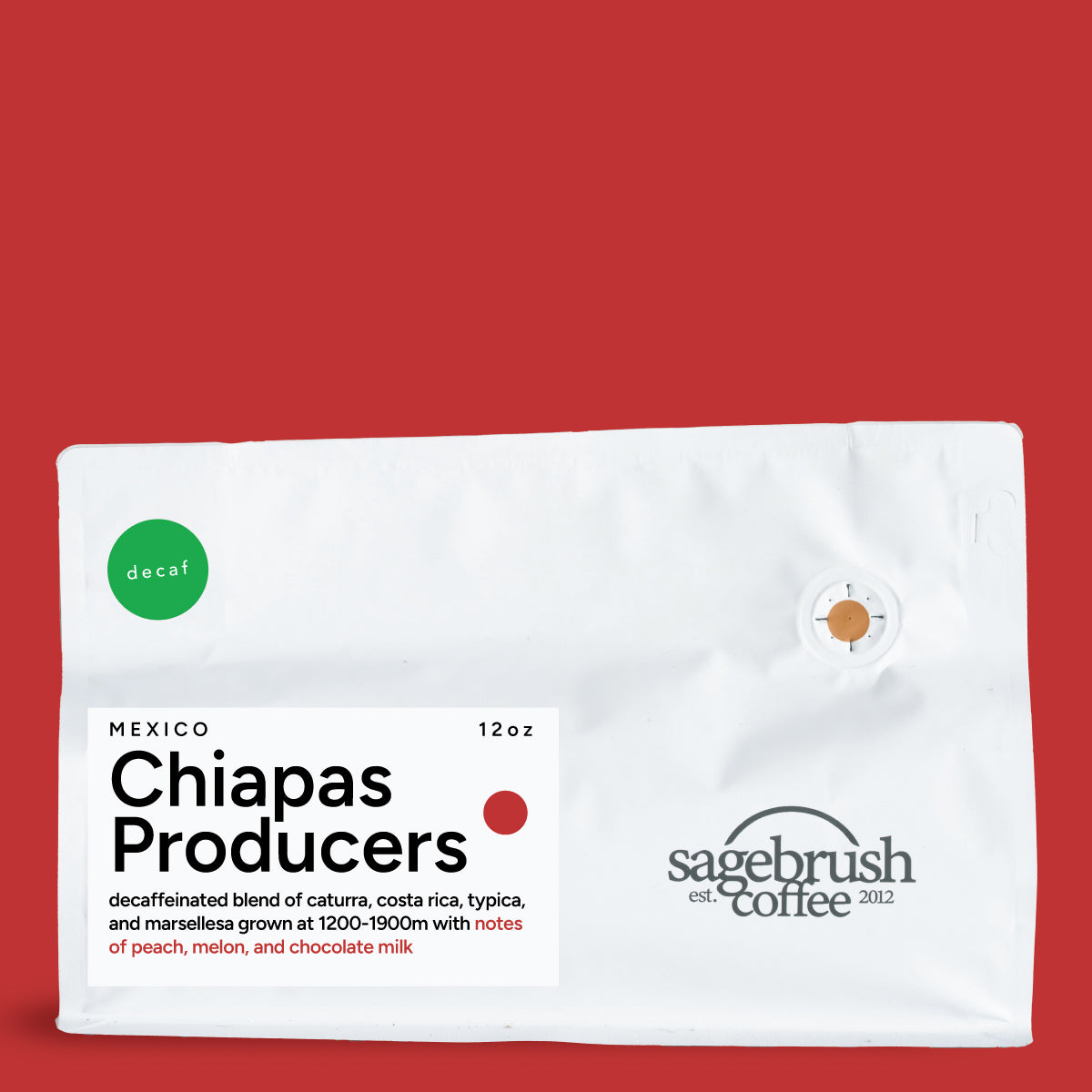
From small farms in Chiapas' Sierra Madre mountains between 1200-1900 meters. Typica and Bourbon plants processed at home, then decaffeinated using pure mountain water at Descamex. Retains the chocolate sweetness and fruit notes that make Mexican coffee special.

Learn More About The Chiapas Mountain Water Decaf

Caturra

In some contexts, being small is a disadvantage. 

Like in the NBA. Or in the middle of a crowd at a concert. 

But in the specialty coffee industry, being small can be a great thing–like with the Caturra variety! 

The name “Caturra” means “small”. It is so named for its short, compact size. But before we get into why that’s such a good thing for a coffee variety, let’s make sure we understand what coffee varieties are. 

Caturra Coffee: Compact Variety Profile & Cup Quality

Washed Process

In the washed process, a machine removes the cherries’ skin and pulp, and the remaining beans are left to ferment in water. It’s by far the most common way coffee is processed—but makes this method so popular?

This coffee is decaffeinated through a patented Mountain Water Process, which utilizes water to remove 99.9% of the caffeine from this washed process in which smallholders depulp, briefly ferment, and dry on rooftop patios.

Washed Process

Mexico

Last year I was standing on a mountain in one of the best Guatemalan coffee farms in the country and Edwin pointed to a mountain region and said, "That's Mexico over there".  Later that day as we were passing out of the mountain road back onto the highway, we were maybe 100 feet from the Mexican boarder.  So why don't we buy more coffee from this country and why is Guatemalan coffee so much more popular comparatively speaking.  The answer is in the growing infrastructure and focus on specialty coffee in the country.

Coffee Terroir Guide: Mexico's Untapped Specialty Potential