Quick Guide

What is this coffee?

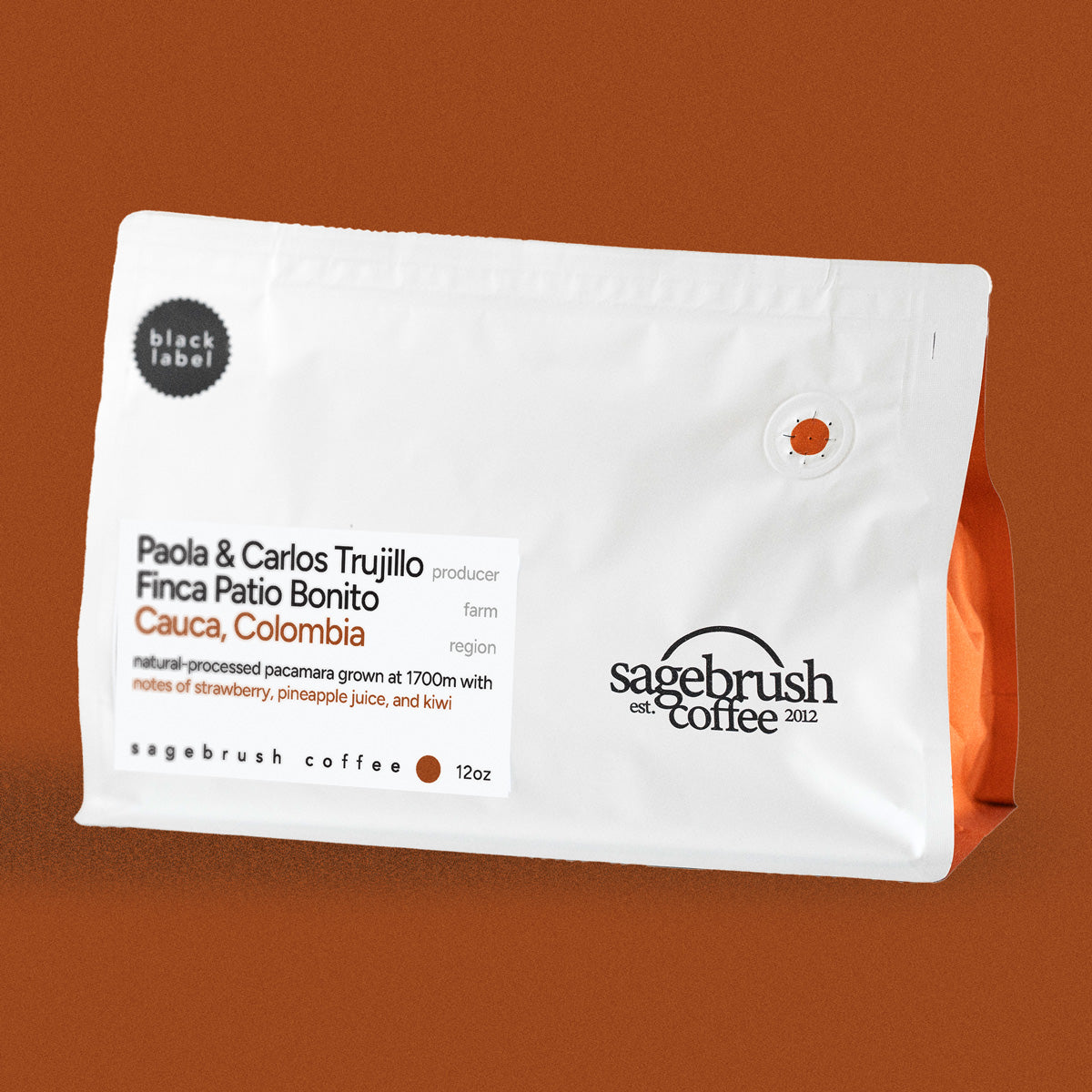
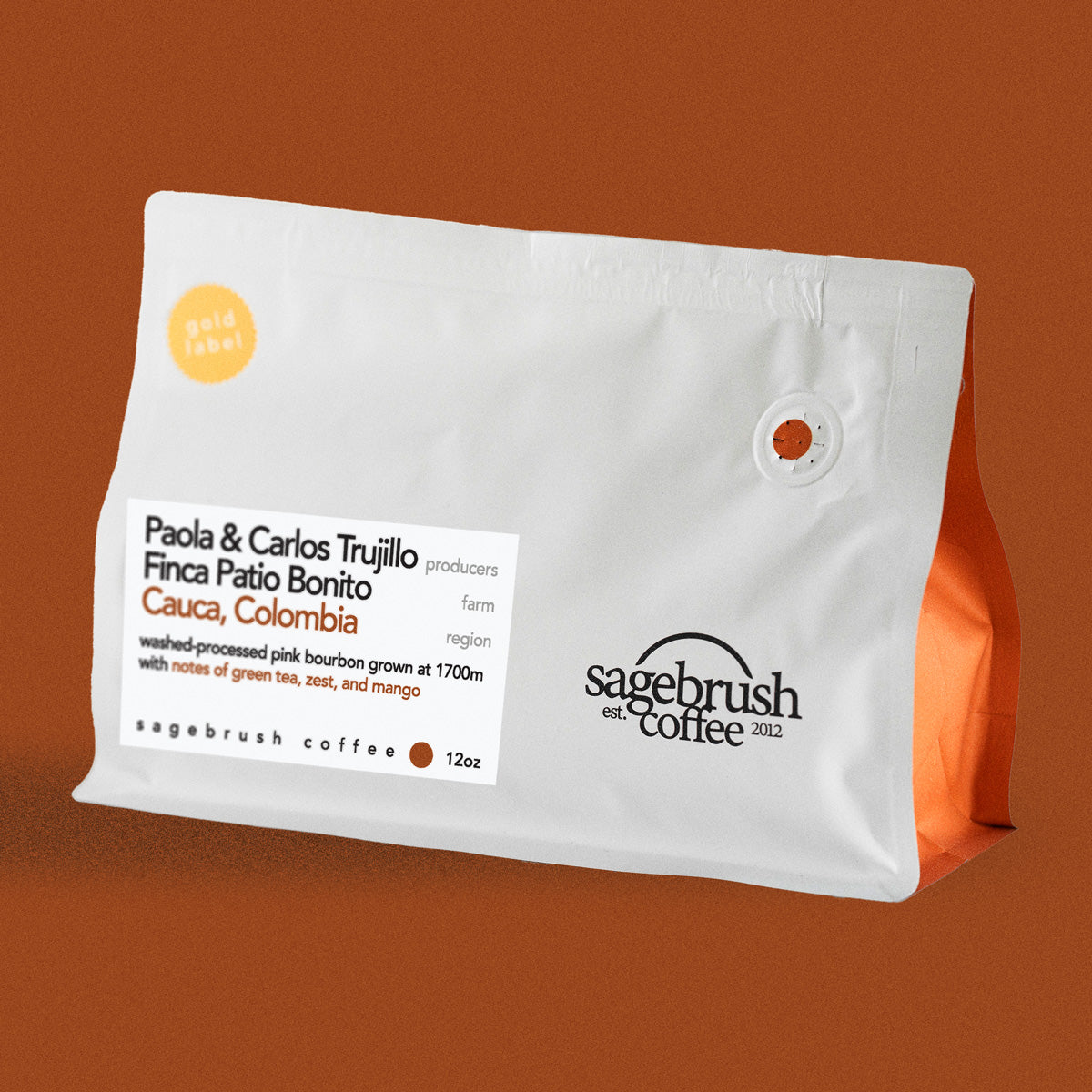
We had the opportunity to meet Paola in 2024 and instantly were drawn to her work ethic. She took a 4 hour bus ride down to San Augustin just to be able to cup and hang out with us. Many if not the majority of her coffees were the best cups blind on the table, a testament to her dedication to quality. We’re really excited to feature a full lineup of her coffees, with this deliciously complex pink bourbon being the first of that lineup. This coffee’s cup boasts a nice conjunction of bright complexity with smooth Colombian coffee terroir. What’s funny honestly is that this coffee almost feels bipolar in a sense, with some days really tasting nice and bright and fruited and other days tasting more traditional and chocolate forward. Certainly a higher skill level to dial in, but it really helps you get exactly what you enjoy out of this cup.

-Jonathan 

Processing Method

Washed Process- Washed processing is coffee's most common and reliable method. Through depulping, controlled fermentation, and thorough rinsing, this water-intensive process minimizes variables to produce clean, bright cups that showcase origin characteristics and variety.

Country

Colombia- Colombia exports over 12 million bags annually, making it the world's third largest specialty coffee producer. Perfect climate, mountainous terrain, and numerous microclimates create incredibly versatile coffee, from bold chocolate notes to bright fruity profiles, with smooth, balanced flavor.

Altitude

1700masl - Altitude is typically correlative to the potential complexity of a coffee bean. The higher in altitude the coffee is grown, the denser the bean will be, resulting in a more dynamic cupping experience.

Classification

Gold Label- Gold label coffees represent the most of what Sagebrush's mission is: direct relationships, readily available, reasonable mid-tier pricing, and an excellent cup profile. This is our company standard, the coffees we're drinking on a daily basis here at the shop.

Variety(s)

Pink Bourbon

All about the coffee

Meet Paola & Carlos Trujillo

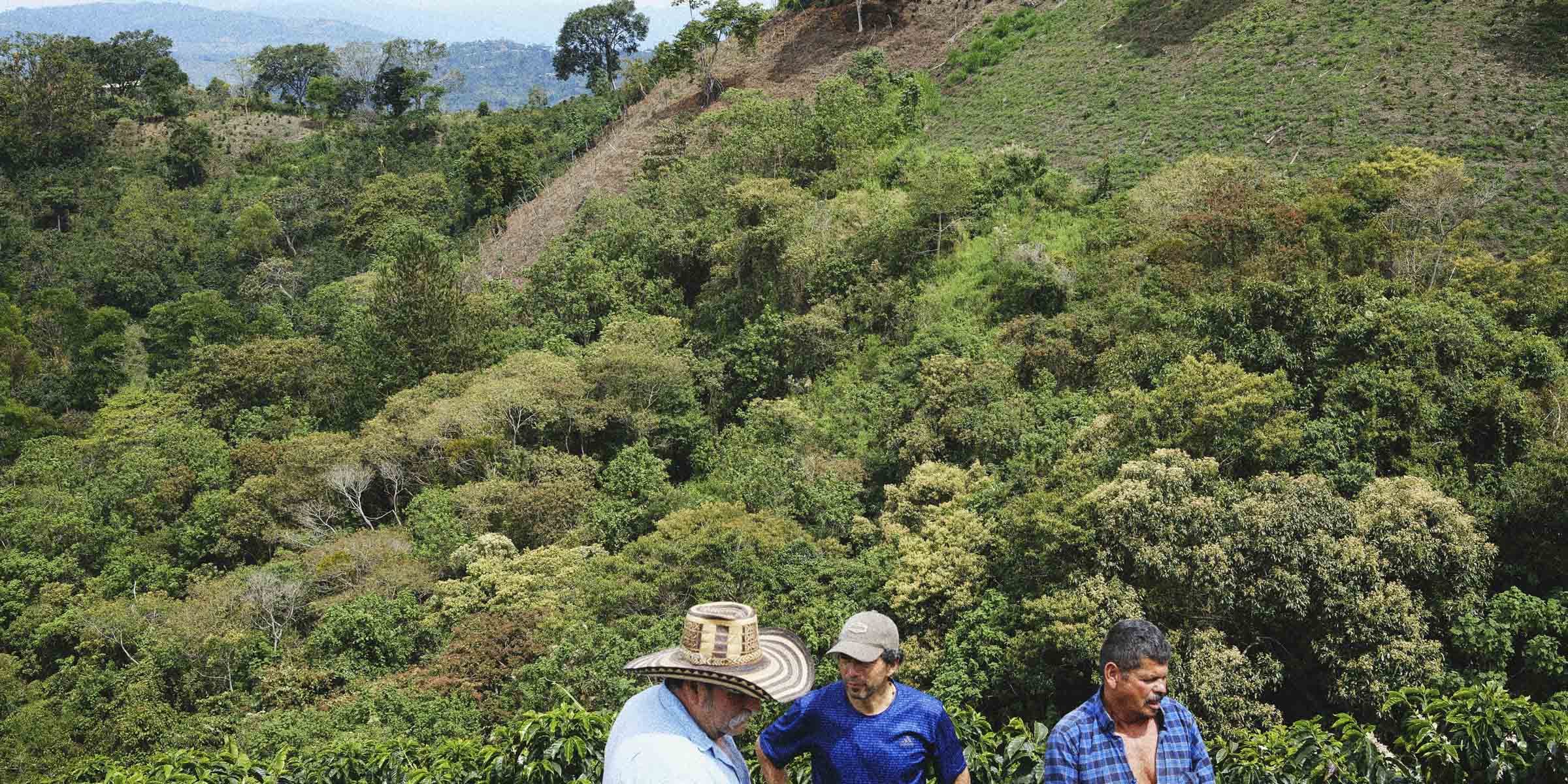
Father-daughter team Carlos & Paola Trujillo bring together 50 years of farming wisdom and modern innovation at Finca Patio Bonito in Cauca, Colombia. Their 11-hectare farm grows 13+ varieties with a focus on education, sustainability, and community development.

Learn More About Paola & Carlos Trujillo

Pink Bourbon

In the world of coffee varieties, color usually follows predictable patterns. Green cherries ripen to yellow, then red, sometimes deep purple. But occasionally, nature—or careful cultivation—produces something unexpected.

Enter Pink Bourbon: a variety that ripens to a distinctive pink, like a sunset caught halfway between day and night.

But Pink Bourbon is more than just a pretty face. This mysterious variety has become one of specialty coffee's most intriguing offerings, combining the classic Bourbon sweetness with enhanced resilience and a flavor profile all its own.

Pink Bourbon Coffee: Mystery Variety Profile & Flavor Guide

Washed Process

In the washed process, a machine removes the cherries’ skin and pulp, and the remaining beans are left to ferment in water. It’s by far the most common way coffee is processed—but makes this method so popular?

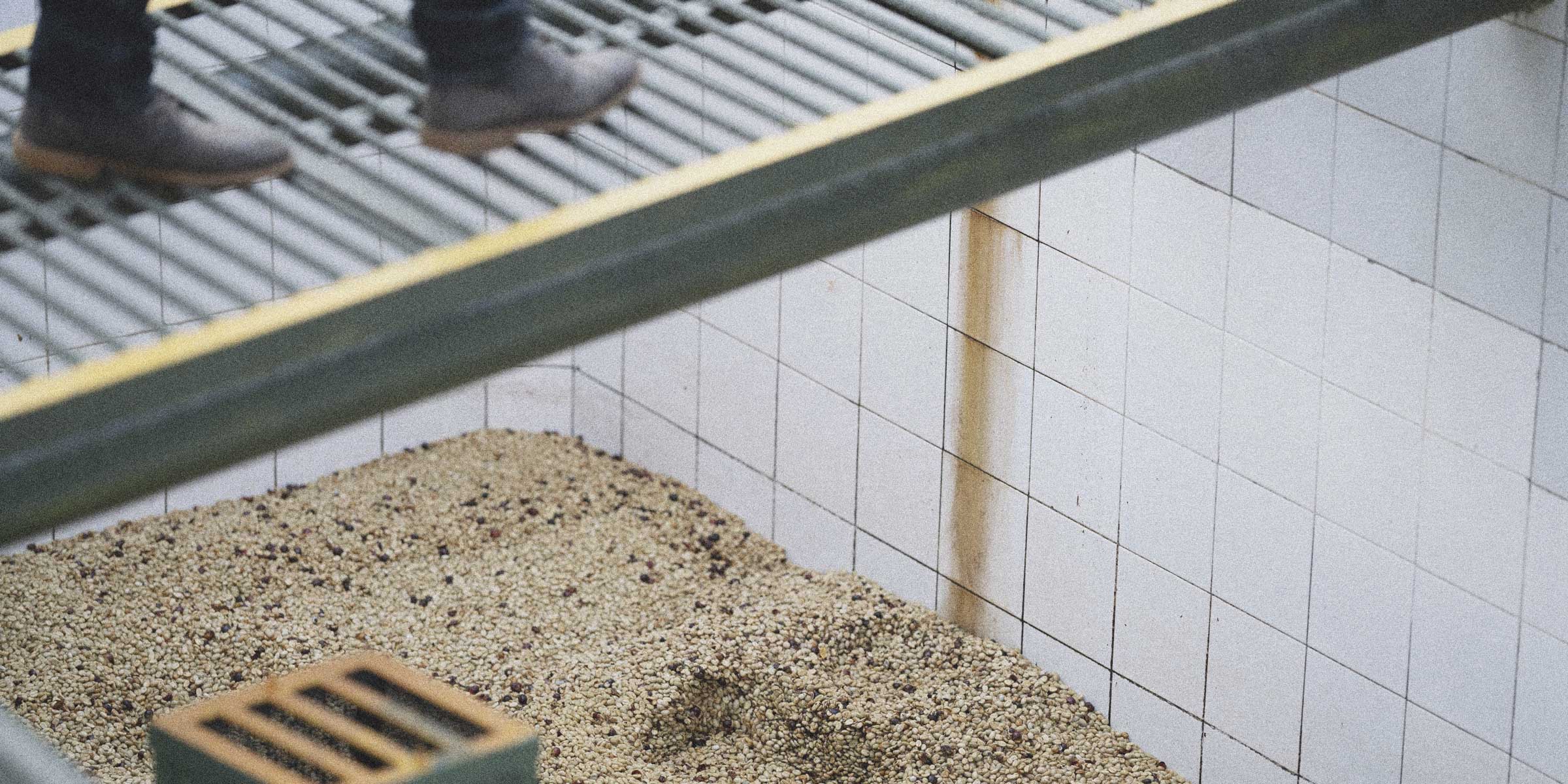
This coffee is picked a peak ripeness, depulped, and given an open air fermentation between 12-36 hours. Then the coffee is fully washed and dried on patio.

Washed Process

Colombia

The country of Colombia (not Col-um-bia) boasts some pretty extraordinary claims to fame.

It is the world’s leading exporter of emeralds–exporting 70-90% of the world’s supply. It is the world's second most biodiverse country–with more species of bird than in Europe and North America combined. It has the world's tallest palm trees (up to 200 feet tall!) and the world’s most colorful “rainbow” river (Caño Cristales).

It is also the third largest producer of specialty coffee in the world, preceded only by Brazil and Vietnam. But it didn’t arrive at that place overnight.

Coffee Terroir Guide: Colombia's Versatility & Complexity