

Quick Guide

What is this coffee?

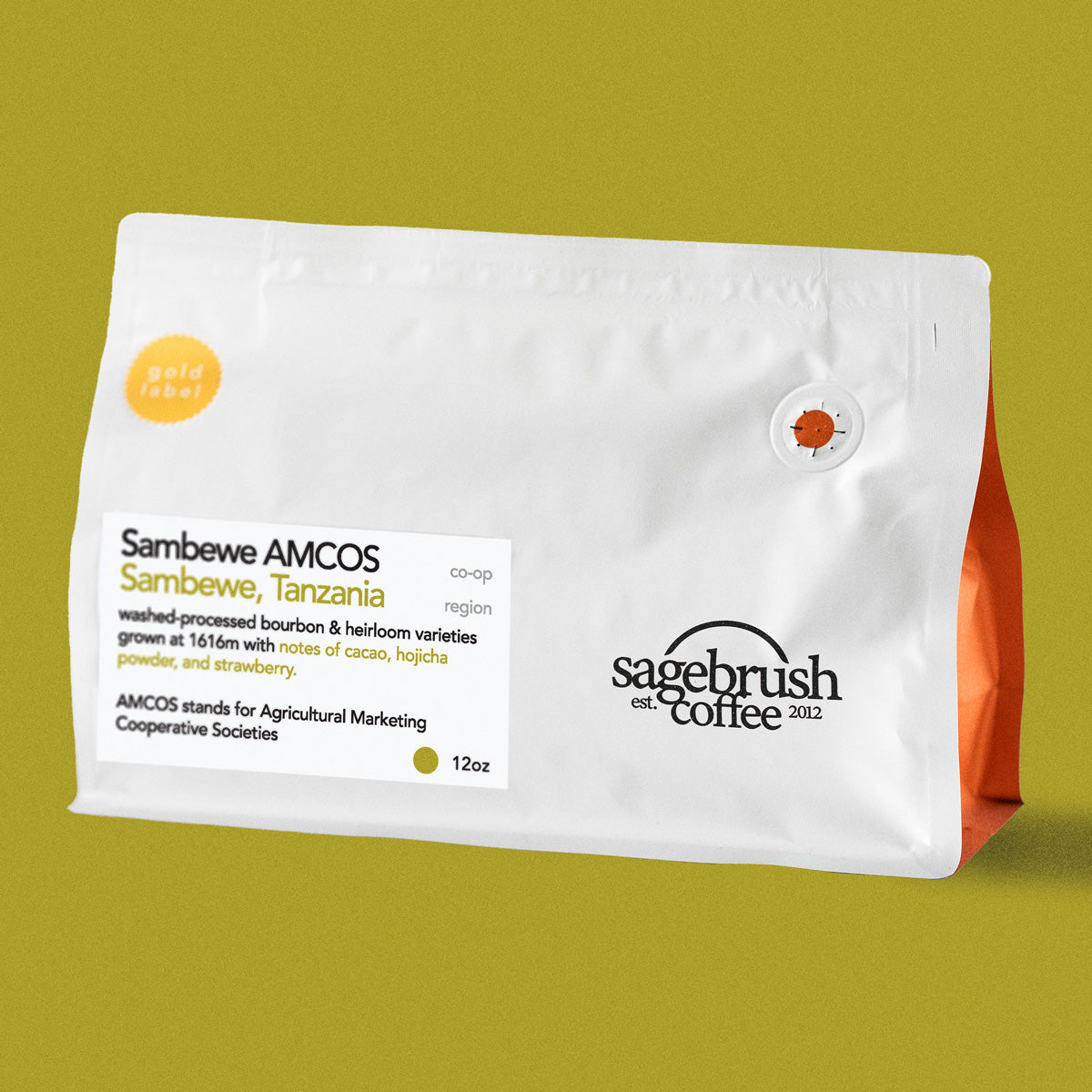
cacao nibs - This coffee has a distinctly earthy undertone throughout the cup, which on top of a general taste of the terroir leads us to put cacao in the primary description.

hojicha - A toasted nuttiness is particularly distinct within this cup. This is a very high-clarity note, with this coffee tasting very much like hojicha. 

strawberry - Very light malic acidities sit in the back of the palate for this cup as well as a nice, smooth sweetness to round it off. Strawberries understated flavor with pleasant sweetness had us landing on this note. 

Processing Method

Washed Process- Washed processing is coffee's most common and reliable method. Through depulping, controlled fermentation, and thorough rinsing, this water-intensive process minimizes variables to produce clean, bright cups that showcase origin characteristics and variety.

Country

Tanzania- Tanzania's coffee is the largest export crop, contributing $115 million annually. 70% Arabica beans grow primarily in Kilimanjaro's Moshi region, accounting for 75% of production. Northern coffees are sweet and tropical while southern beans offer complex, fruity profiles.

Altitude

1616masl - Altitude is typically correlative to the potential complexity of a coffee bean. The higher in altitude the coffee is grown, the denser the bean will be, resulting in a more dynamic cupping experience.

Classification

Gold Label- Gold label coffees represent the most of what Sagebrush's mission is: direct relationships, readily available, reasonable mid-tier pricing, and an excellent cup profile. This is our company standard, the coffees we're drinking on a daily basis here at the shop.

Variety(s)

Bourbon, Heirloom

All about the coffee

Meet The Sambewe AMCOS

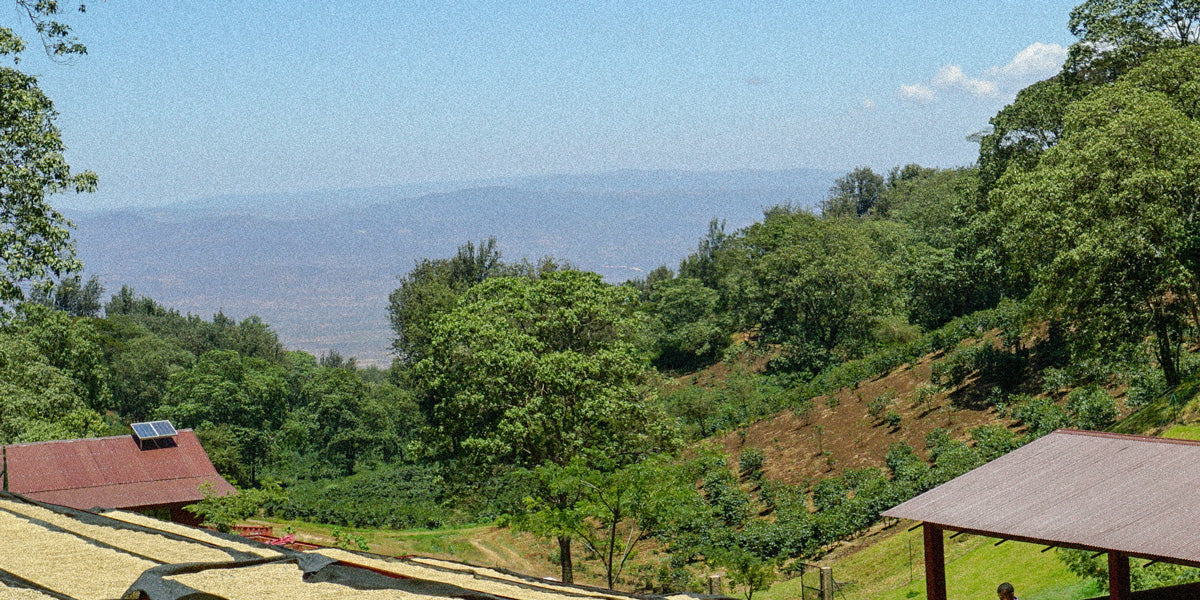
We've been lucky to build relationships with coffee producers around the world, but there's something special about the way people come together in Tanzania. Sambewe AMCOS is one of those places where you can see what's possible when farmers decide their future is stronger together. We've started buying from them using our great partnership with Cafe Imports, a certified B-Corp, and we're glad to share their story.

Learn More About The Sambewe AMCOS

Bourbon

The best things in life often come in pairs. Batman and Robin. Peanut butter and jelly. Together, they accomplish more than they would alone. 

When it comes to the two most important varieties in specialty coffee, Bourbon and Typica are the clear winners. 

If you’re a coffee lover, you’ve likely heard of varieties like Bourbon and wondered, what is it? How is it different from other varieties? And does it affect the taste of my morning coffee?

Bourbon Coffee: Parent Variety Profile & Flavor Guide

Washed Process

In the washed process, a machine removes the cherries’ skin and pulp, and the remaining beans are left to ferment in water. It’s by far the most common way coffee is processed—but makes this method so popular?

Washed Process

Tanzania

You can break down the history of coffee in Tanzania (tan•zuh•nee•uh) into three eras, their ancient beginning, their period of colonization, and their current post-colonialization era. Each era has brought significant changes to coffee production. The current cultivating climate has shifted from a lot of government intervention to more freedom allowing for more privatizing of farms and more individual responsibility for farmers. Tanzania coffee production is a testament to the resiliency of people overcoming obstacles to see a better quality of life.

Coffee Terroir Guide: Tanzania is More than Peaberries