We’ve been following the exciting journey of coffee and have now arrived at a stage that is familiar to most of us: the roast.
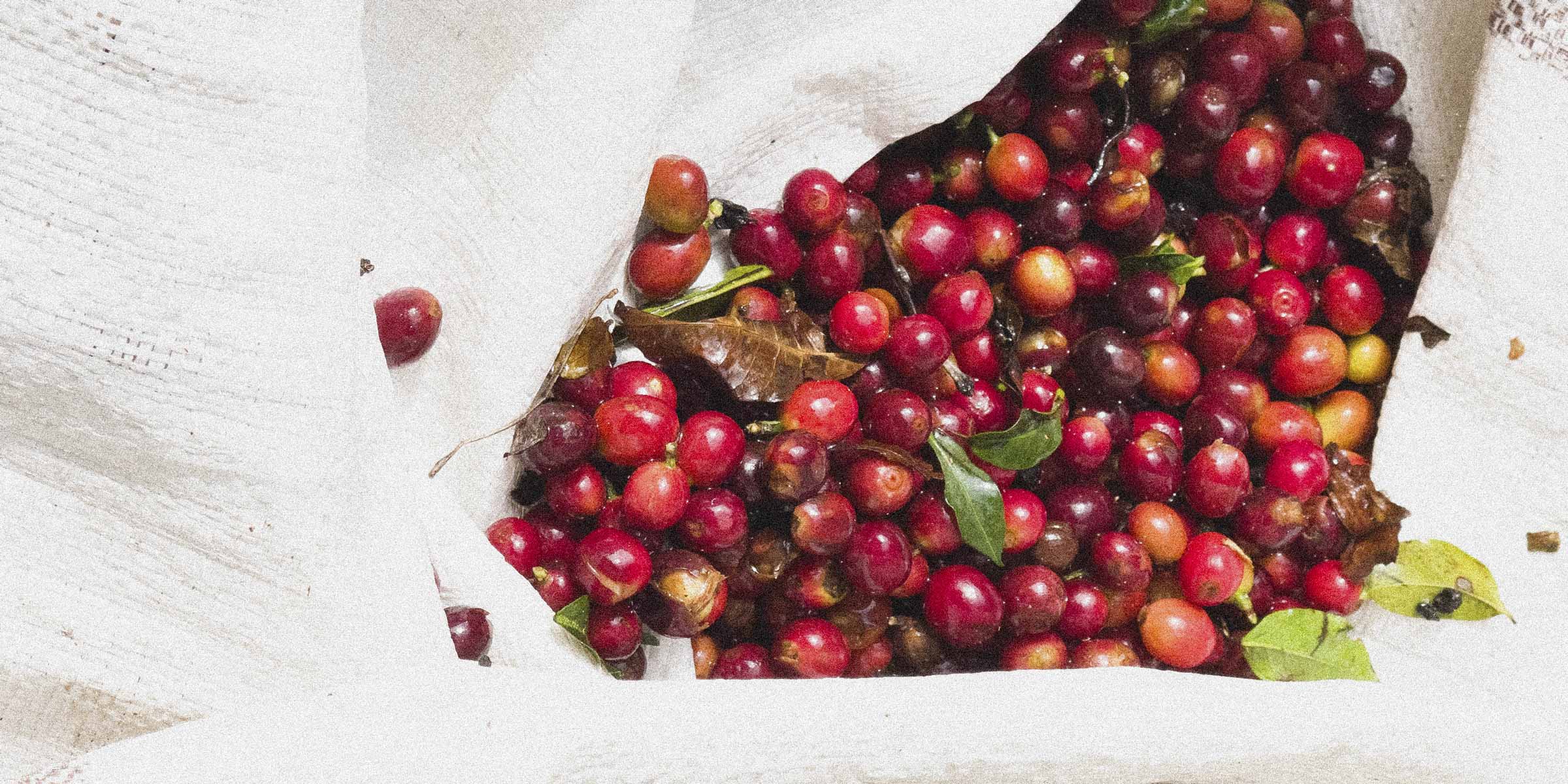
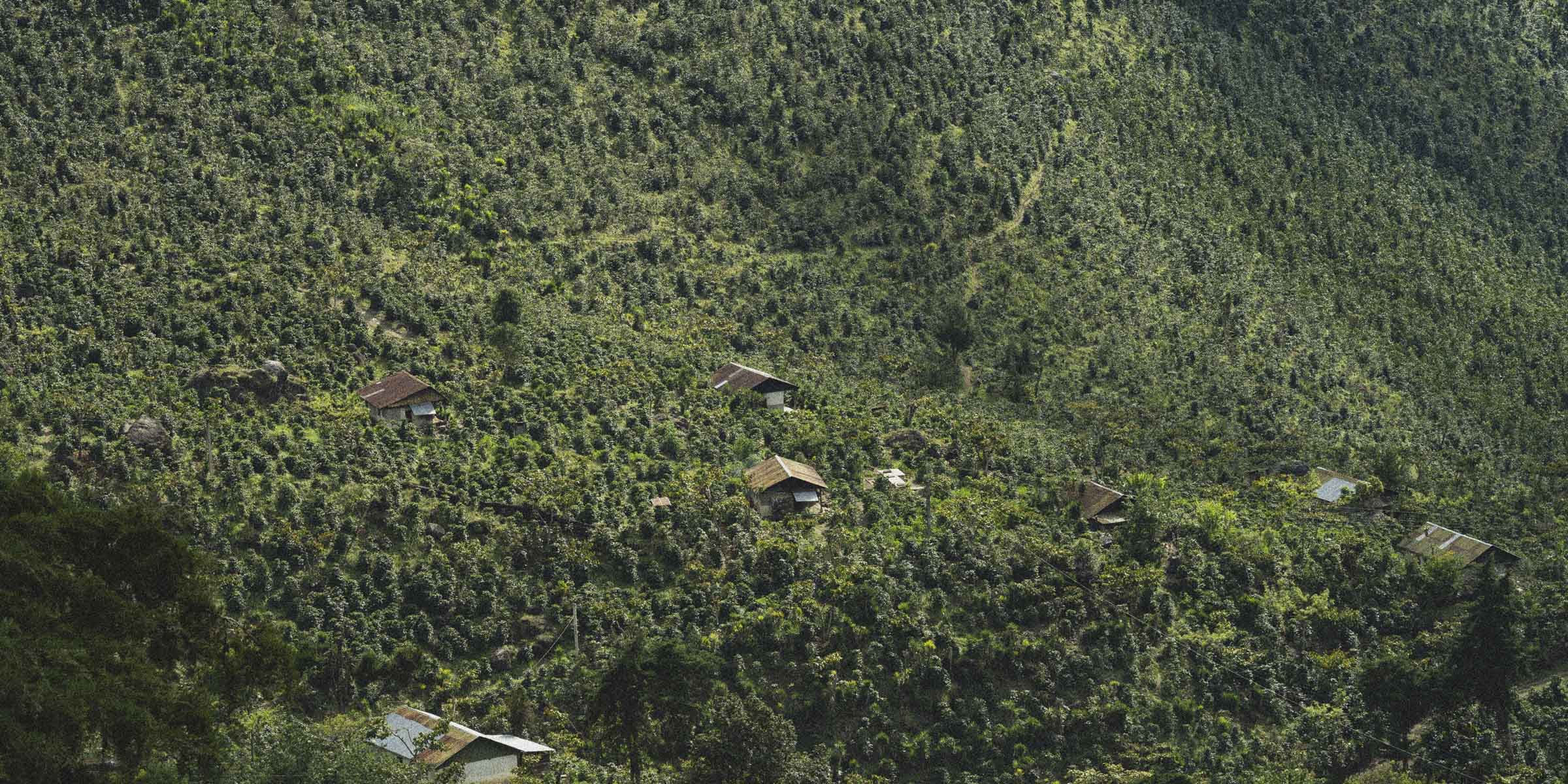
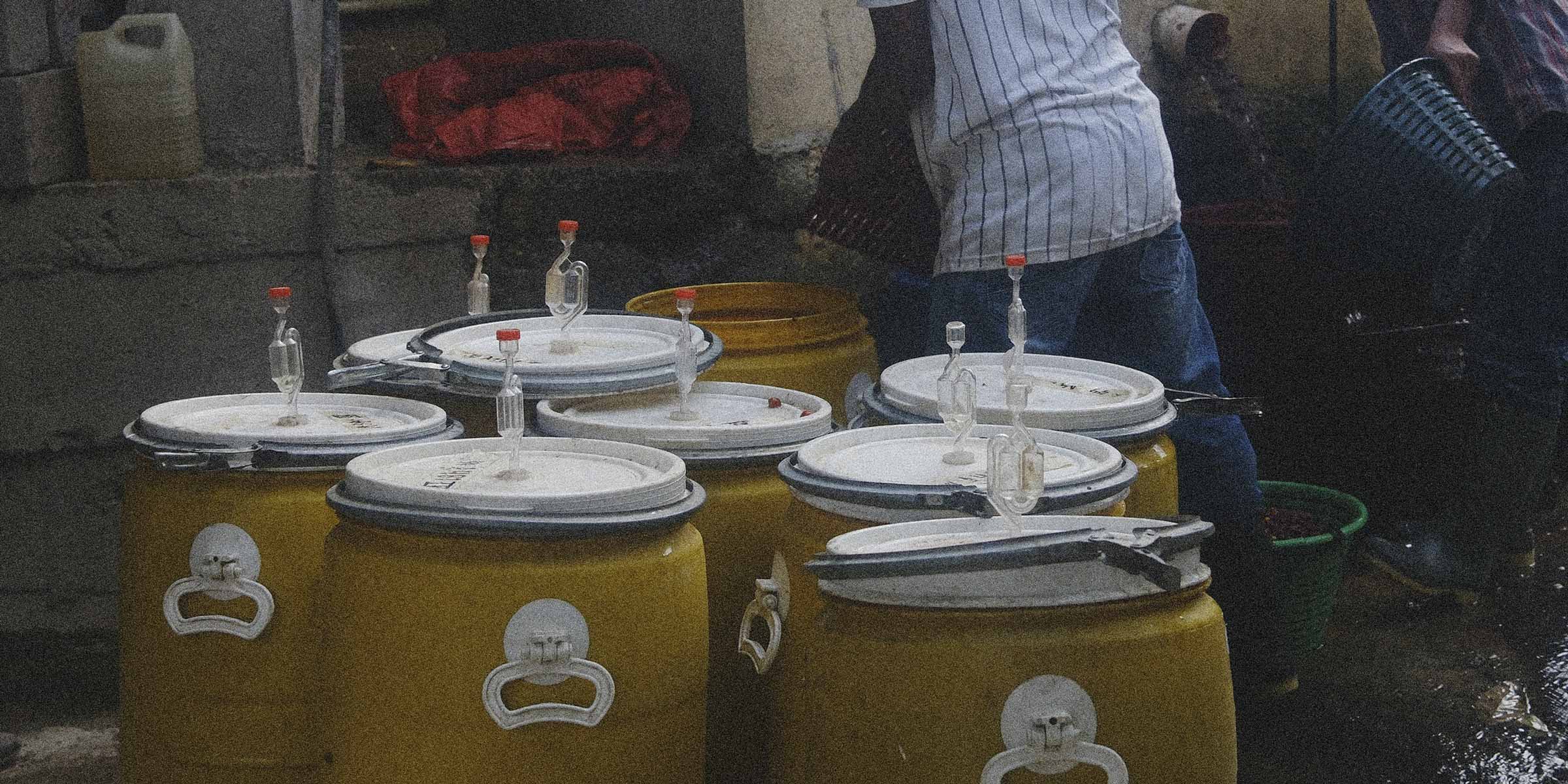
By the time we reach this stage, most of the hard work has already been done. The coffee cherries have been planted, grown, and hand-picked for ripeness; they have been processed at origin in different ways to bring out specific flavors; and they have been packaged and exported all over the world.
When they arrive at your favorite roaster, coffee 'beans' are green, dense, and nearly flavorless. But as heat is applied, a series of fascinating chemical reactions transforms them: they darken in color, lose density, and develop complex, dynamic flavors.
In a light roast, the flavors that emerge are largely those inherent to the bean itself–its acidity, fruitiness, natural sweetness, etc. In a darker roast, the flavors that begin to dominate are those imparted by the roasting process itself–smokiness, bitterness, and caramelization. Because darker roasts tend to taste more like the roast than the bean, lower-quality, commercial-grade coffee is often roasted dark to mask imperfections.
Perhaps you’re inclined toward a particular roast level–light, medium, or dark. If you’ve been a customer of ours for any length of time, you know that we’ve moved away from categorizing coffees by roast level.
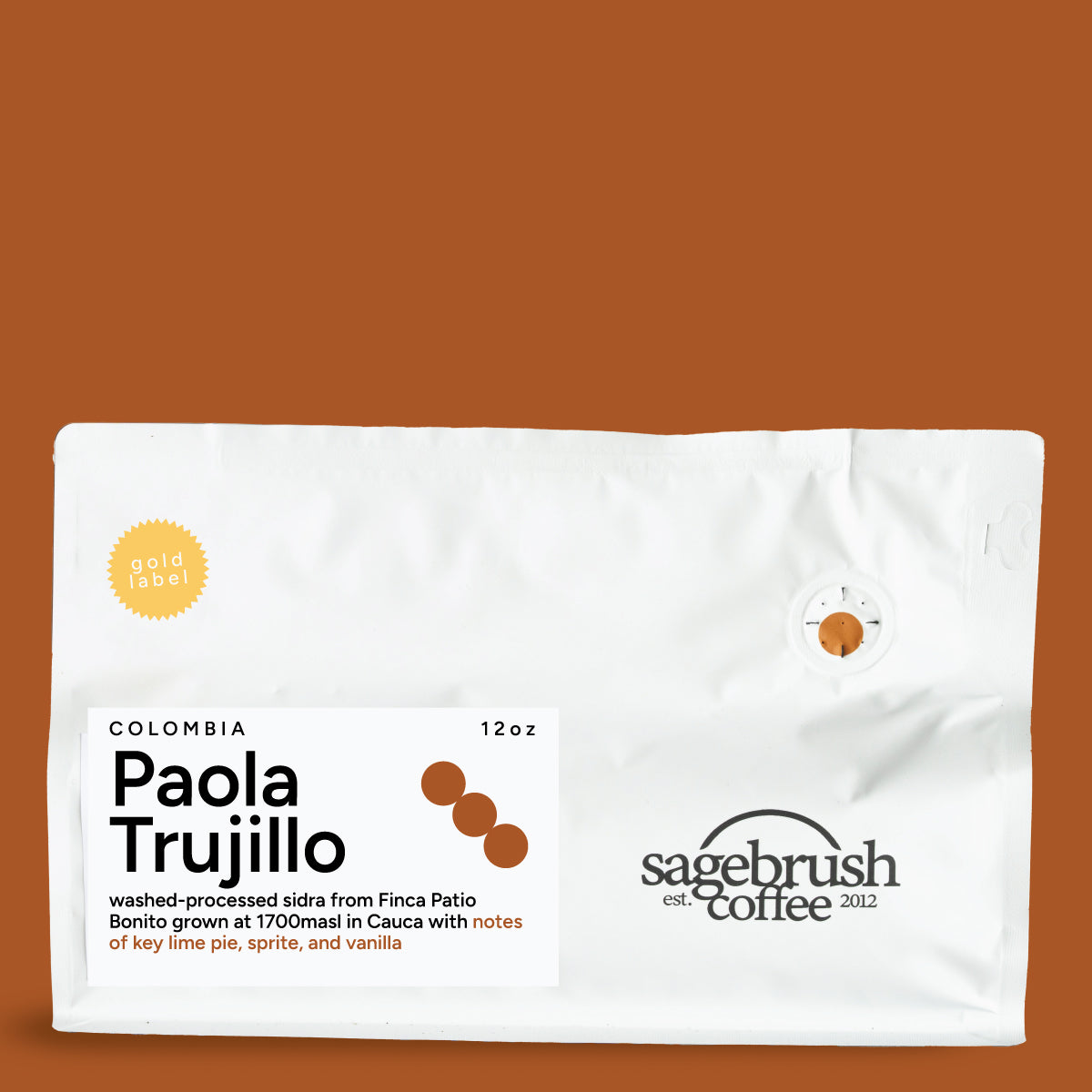
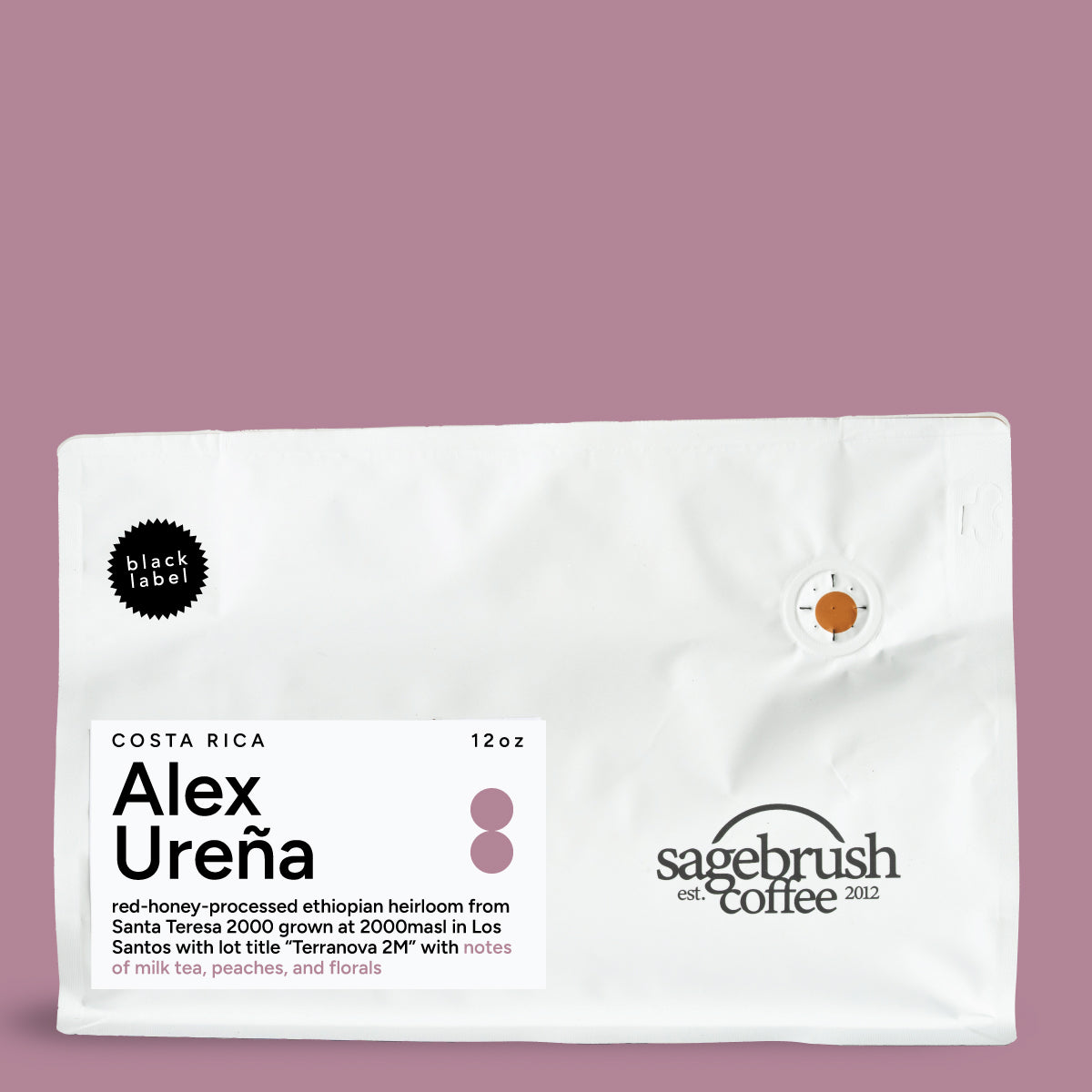
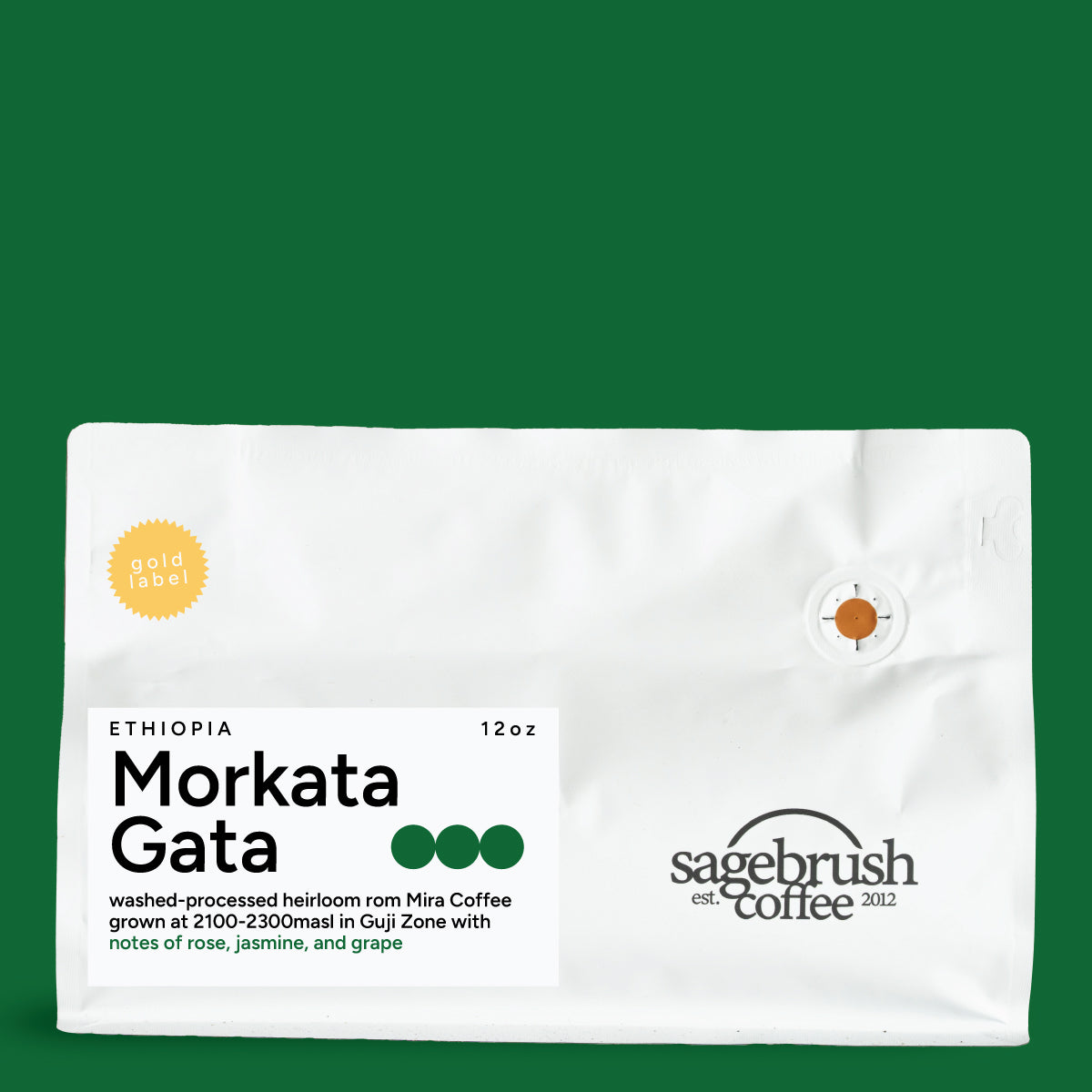
This is because our motto here at Sagebrush is to put on display the hard work of coffee producers. We source high-quality specialty coffee direct from origin. We have no desire to mask the delicious flavors inherent to the bean with a dark roast–in fact, we want to showcase them! While the exact roast varies from bean to bean, this almost always results in a lighter roast.
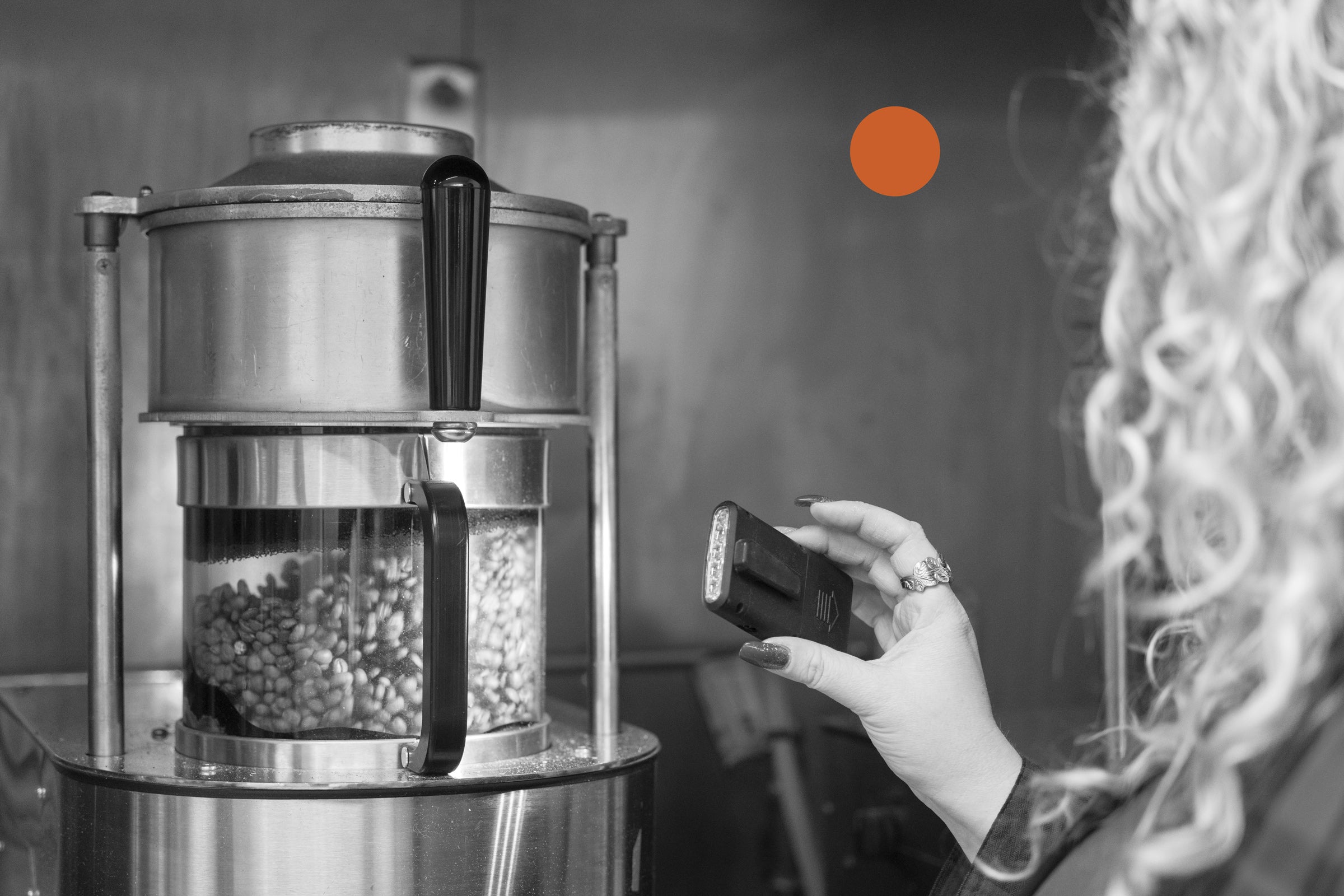
Like people, every bean is different. There is such a wide variety of variables–variety, country of origin, how it was processed–that every bean needs its own individually-tailored roast profile. This is our roaster, Sarah’s, specialty. Before you get a bag of Sagebrush coffee, it has already been roasted multiple ways to find the ideal roast profile for that particular bean.
Our mission as a roastery is to showcase the hard work that has come before us in the supply chain, to showcase the hard work done at origin, and one of the clearest ways we do this is by letting the bean’s natural flavors take the spotlight—not the roast.