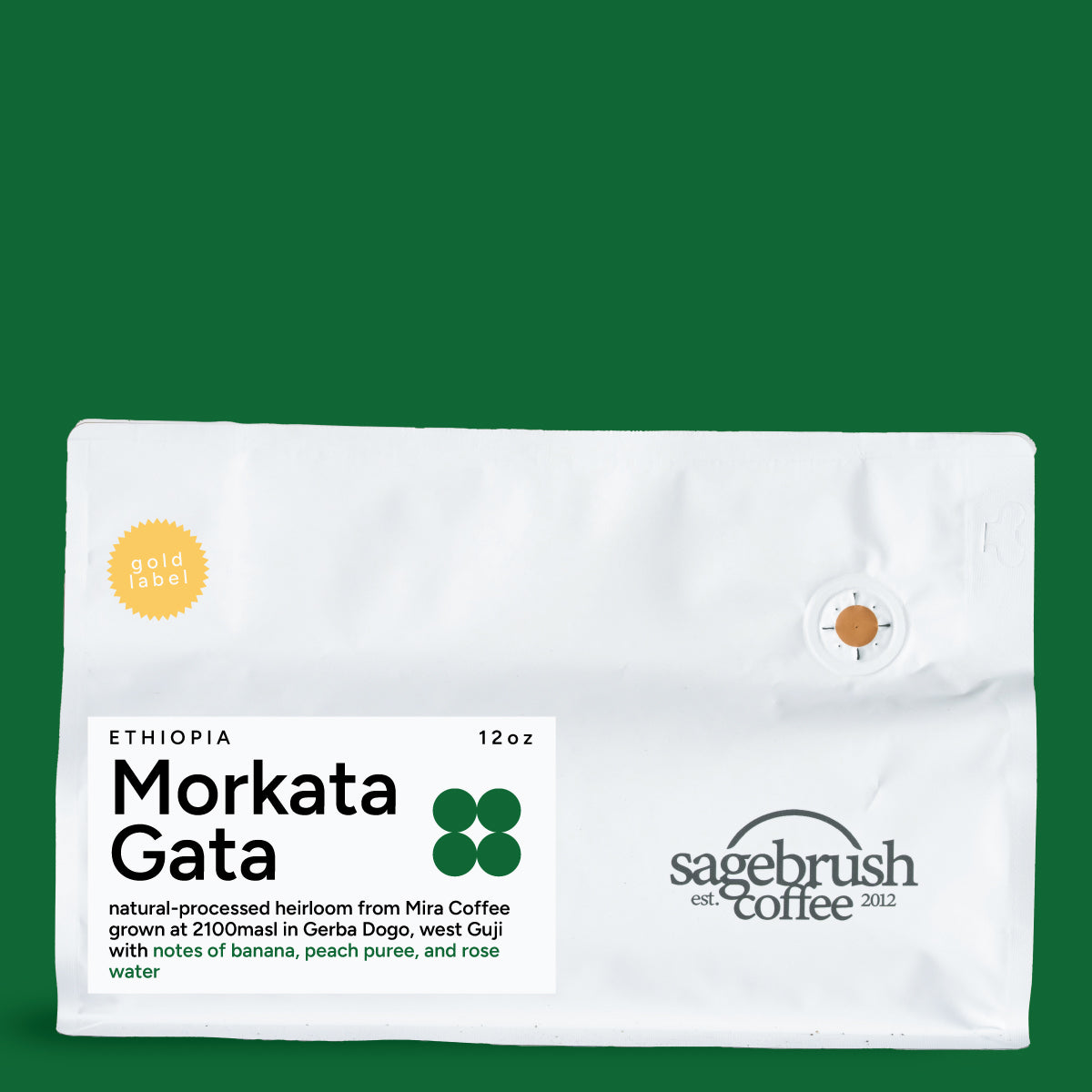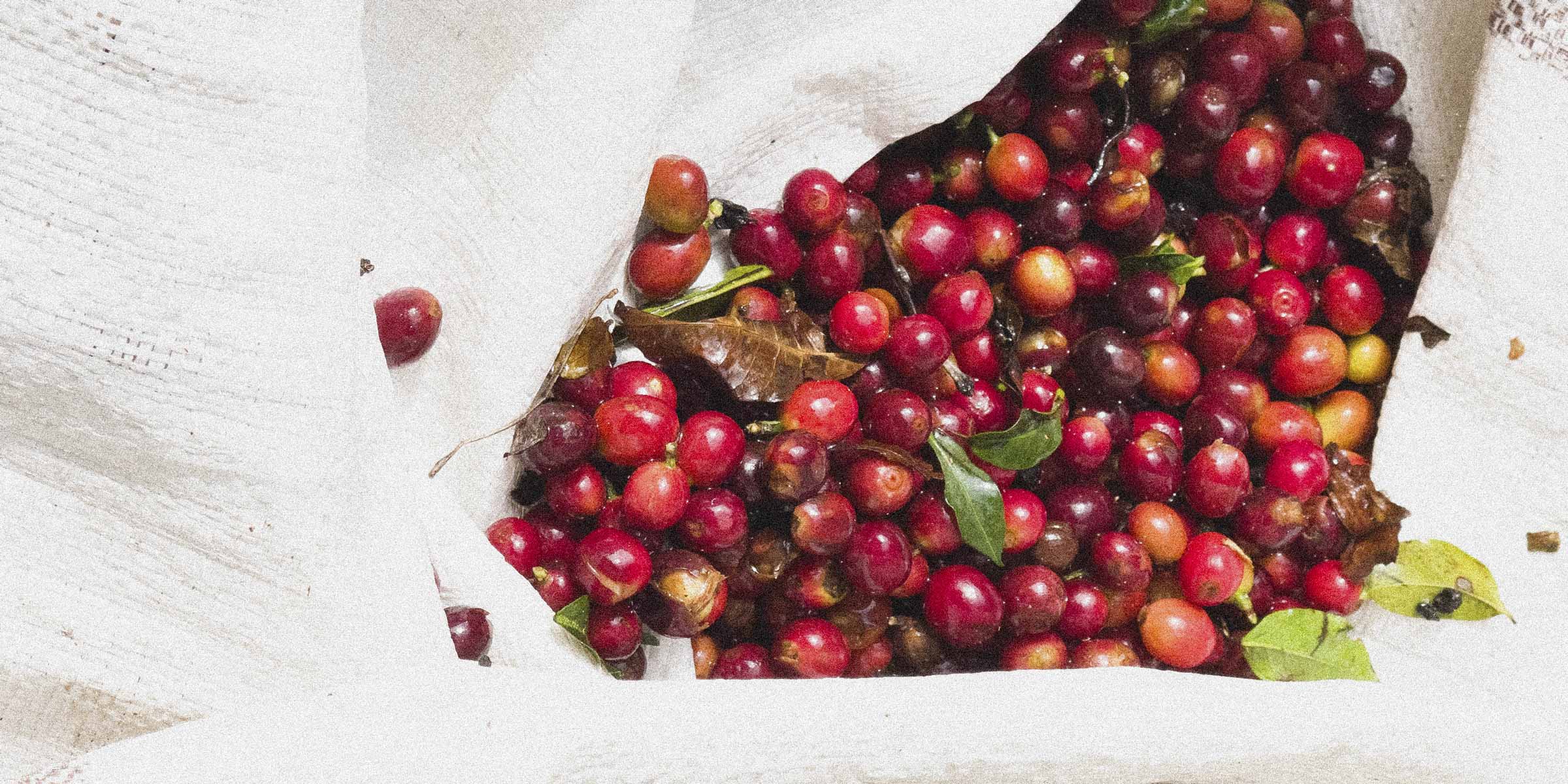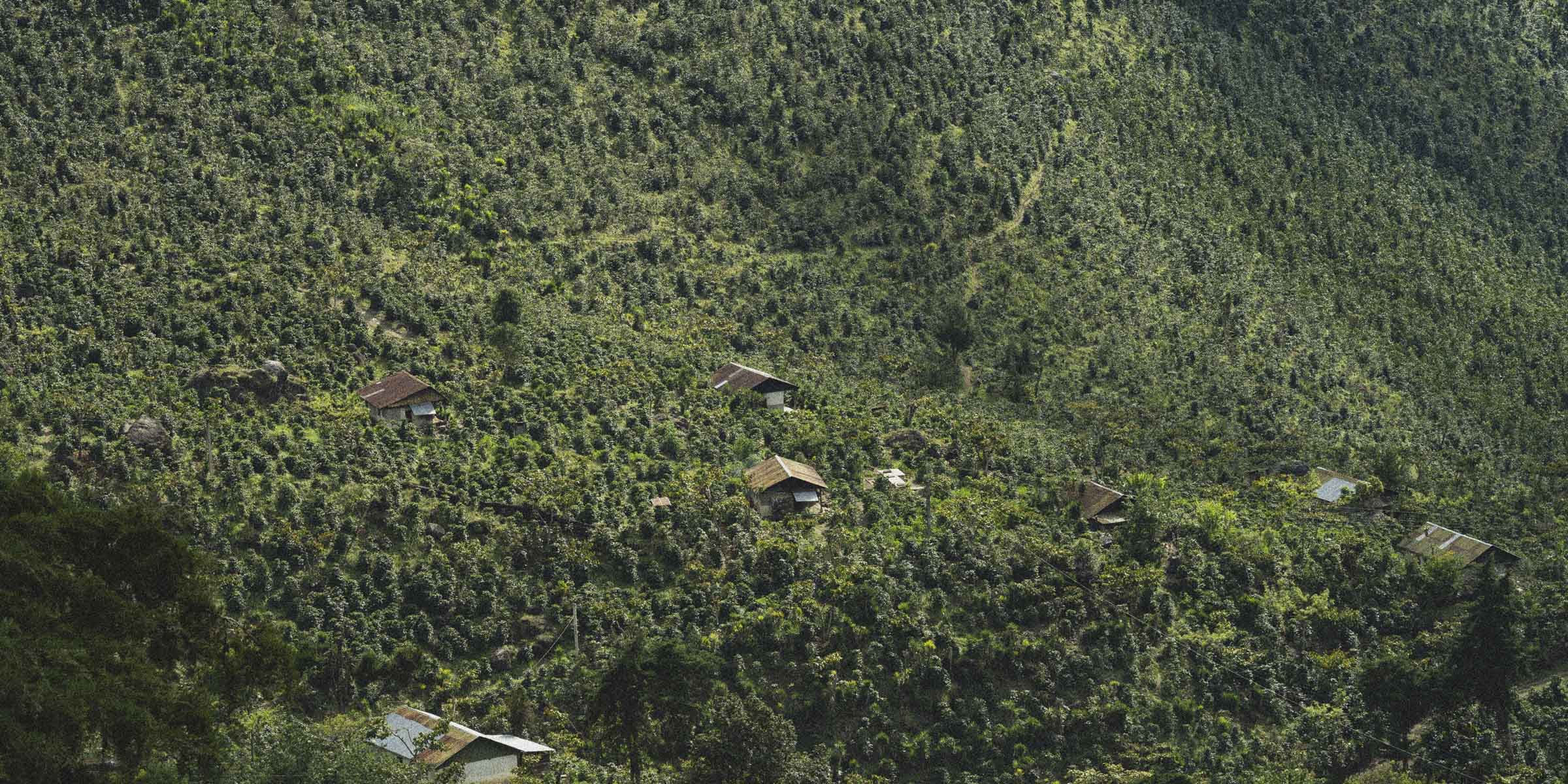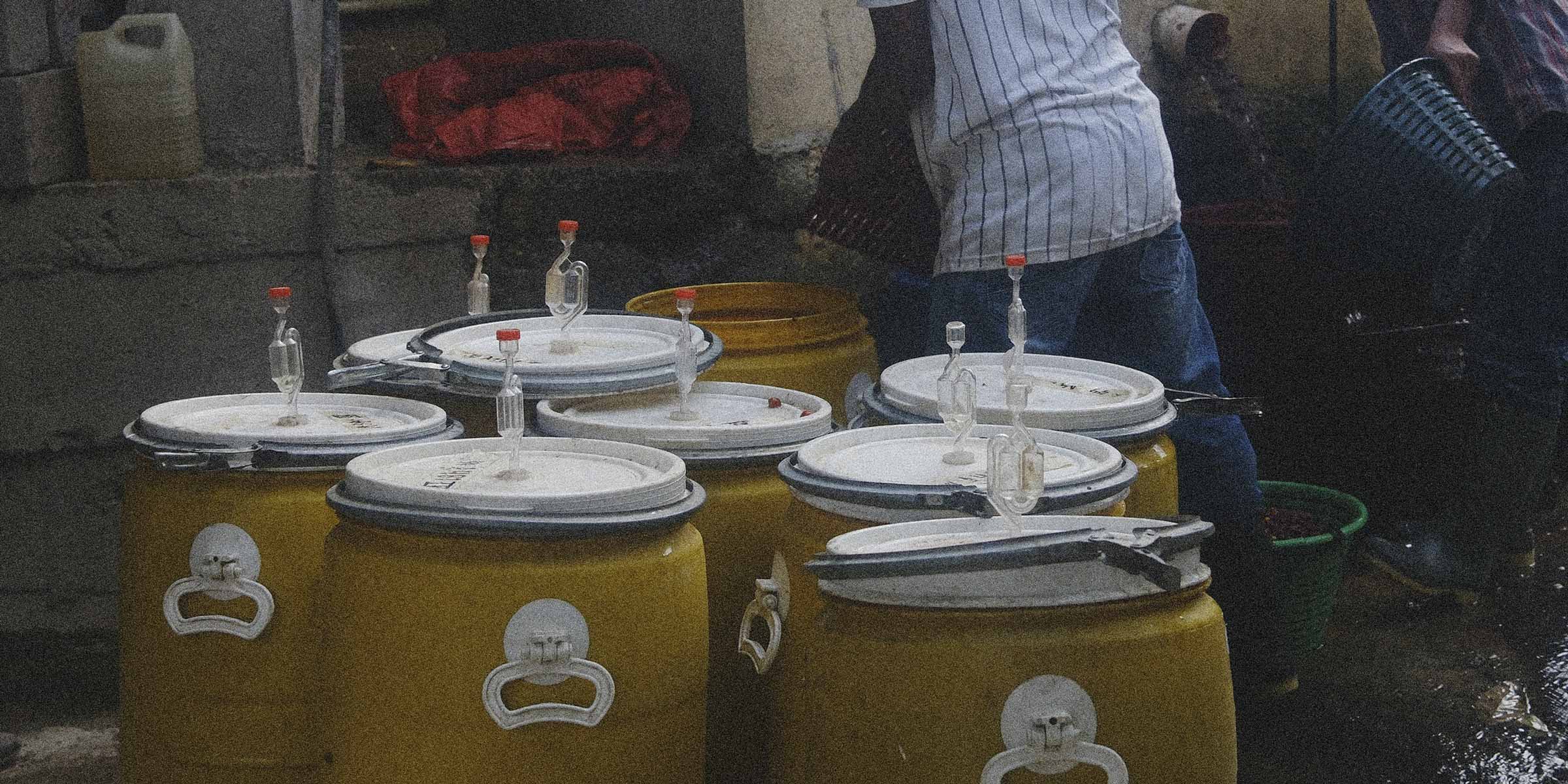
The differentiating characteristic of African coffee is usually its fruity and bright flavor. The contrast between Latin American and African coffee is stark. But what makes African coffee even more interesting is that there can be a big difference between African coffees even when regions and farms are somewhat close in distance. Two popular regions are Yirgacheffe and Sidama. While they are only about 100 miles from each other, the differences can be significant. The coffee production in Africa is not as centralized as in other regions. Usually, it’s a collection of small farmers that cultivate their coffee and take it to washing stations. These farmers also grow different crops. If one farmer grows a lot of fruit and another farmer grows a lot of nuts, the difference in their soil may show up in the coffee they produce. That’s how coffee from the same general region can have different flavor notes. This is often the case in Africa, which is different than Latin America. Latin American farms tend to be larger and so the flavor is much more consistent.
At Sagebrush, African coffees are among our favorite varieties. If you subscribe to our emails, you know that we just launched coffee from the region of Yirgacheffe. Yirgacheffe is known to be one of the best in the world. It’s fruity and bright. This region sits 5,800-6,600 feet above sea level. It’s often significantly more expensive than coffee coming from nearby areas like Sidama. As I mentioned before, Sidama is only about 100 miles away from Yirgacheffe. It sits about 1000 feet lower than Yirgacheffe and is often significantly less expensive. In the case of these two coffees, a difference in quality is not always the reason for a lower price. If you compare these two coffees, you’ll find that they are both excellent. Sidama is often just as great as Yirgacheffe. So why the price difference? It could be because of demand. If there’s more demand for Yirgacheffe, maybe that’s what is driving up the price. Perhaps the influence of coops is different from region to region, making prices better for some farmers than others. While the traceability of African coffees has improved, some farmers may not be able to take advantage of resources that could elevate their coffee to the level of a Yirgacheffe. Pinning down a precise reason for the price difference is challenging. One thing to remember about these two coffees is that price isn’t always indicative of quality. If you want to know more about the Ethiopian Coffee Harvest or the traceability of Ethiopian coffee, check out these two blogs:
These blogs go into more detail about some of the challenges farmers have to overcome to make their coffee known to fetch a higher price. If you’ve been around Sagebrush long enough, you know that we get excited about coffee production, and we love to bring the best coffee to our customers. Shop our current selection of Sidama and Yirgacheffe coffee and judge for yourself. For the best possible flavor, a Chemex is the recommended brewing method for African coffees. I don’t have a Chemex at home because I prefer the Kalita Wave, which also brews a great cup of coffee.
Here’s another interesting note, Sidamo has been the widely known name for Sidama. But Sidama is the correct term. While Sidamo was right for a long time, political change in the region now makes the word Sidama accurate. So if you’re looking through our website for Sidamo but only see Sidama, you can be confident you’re buying the right coffee.