



This is a reference not so much to the drink itself as much as it is a reference to the era of coffee culture.
1st Wave — The Utilization of Coffee
While Arabica coffee has been cultivated since the 15th century, the discovery of Robusta in the 1800s led to what we know as the first "wave" of coffee. The focus of this wave was on mass production, with Robusta often being mixed with Arabica for its lower production costs and caffeine content. Think: Maxwell House and tinned, pre-ground coffee. From the 1800s all the way through the 1970s, the focus wasn't on taste or quality, but accessibility, affordability, and convenience. Coffee was simply a bitter drink that you either liked or didn't.
2nd Wave — The Enjoyment of Coffee
The emphasis of the 2nd wave was on coffeehouses as destinations, specialty coffee drinks, and the beginnings of interest in coffee origins. Companies like Peet's Coffee and Starbucks spearheaded this wave. For the first time, coffee became the conversation. People already loved coffee; the fact that it could taste good blew everyone's minds. "Are you telling me I can enjoy coffee and enjoy how it tastes?" Darker roasts and lattes, cappuccinos, and frappuccinos were the order of the day. Coffee shifted from being a commodity to being a culture.
3rd Wave — The Exploration of Coffee
In the early 2000s, companies like Starbucks had grown to astronomical sizes. Although more exposure of 2nd wave coffee to the world was a good thing, a problem began to develop. Since these giant coffee companies became so big, there was no choice but to continually compromise on quality in the name of quantity. There's not much you can do when you need to supply more than 2,500 coffee shops worldwide—and so Starbucks lost sight of what brought their success in the first place: pursuing good coffee.
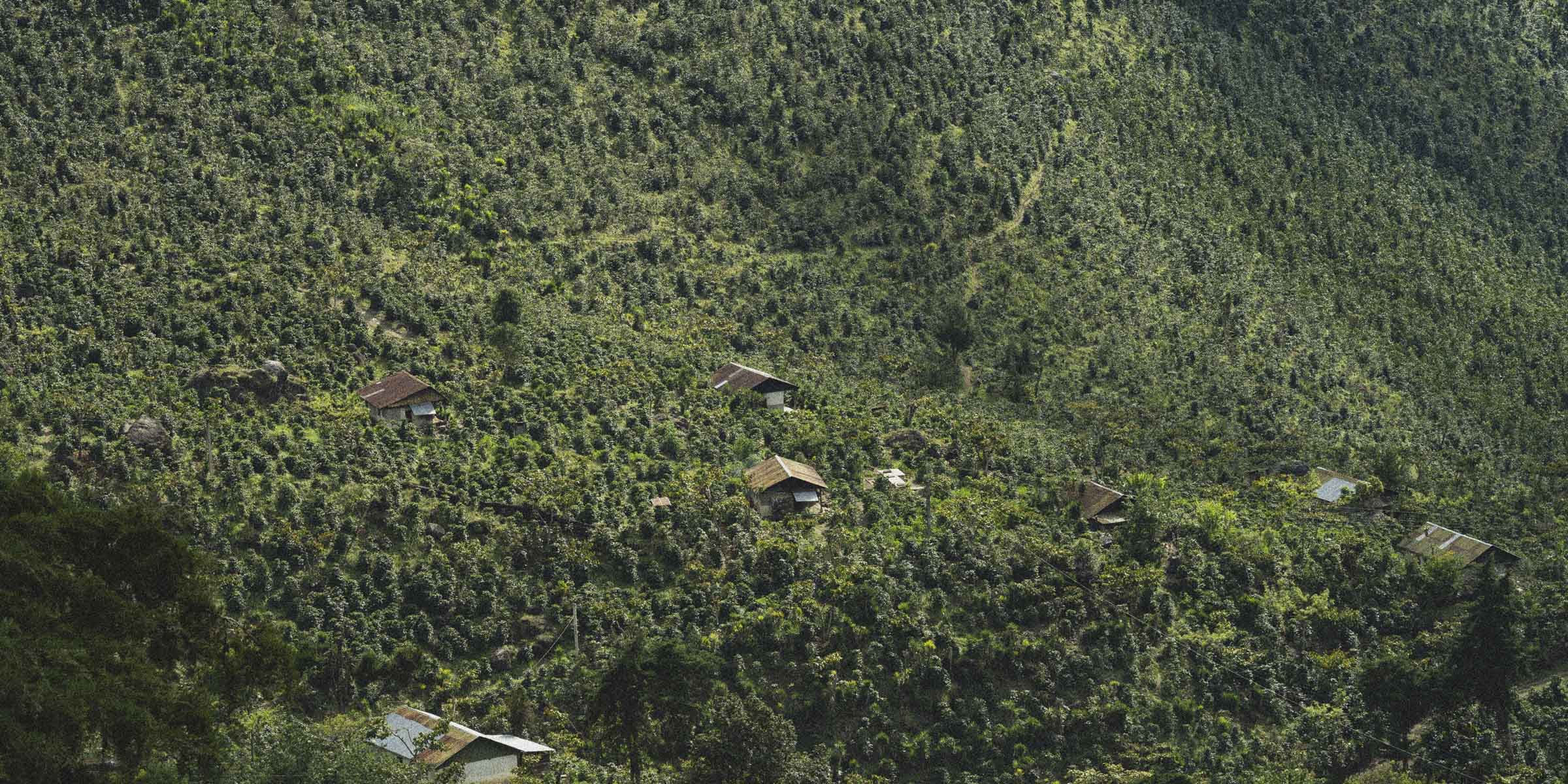
This drove coffee lovers to source their own quality coffee as technology made small farms more accessible. Coffee became an artisanal craft. The emphasis was on single origin, lightly roasted, high-quality Arabica beans. Roasting coffee beans became an art; natural flavor profiles were nurtured and celebrated; precise manual brewing methods grew in popularity. Terms such as fair trade—a certification dedicated to ethical treatment of small-crop farms—became household words. The importance of the farm in the coffee process emerged.
4th Wave — The Science of Coffee
This is where we are today. The 4th wave of coffee has been characterized by the science of perfection when it comes to coffee. Open discourse back to farms about cupping notes, how their coffee compares to other farms, and tips on how to improve the bean are all standard practices. It isn't simply about enjoying the best cup of coffee, it's about making that "best cup" better and better and better. In this wave, everyone is a student of coffee, including us here at Sagebrush.