
Ethiopia has become one the most popular coffee in the world. Not only does it boast of being the origin of coffee, but now it has grown to unprecedented levels. It has been a long road for Ethiopian producers. For many years, farmers worked hard to provide high-quality specialty coffee only to be met with government bureaucracy, corruption, and an unstable system of pricing coffee. It wasn’t uncommon for coffee to fetch a price much lower than was initially quoted, which would often leave the farmer to deal with a loss. Every time the farmer accepted a lower price, it affected their very survival. Co-ops were tried and would often lead to more red tape, more obstacles to getting a fair price. This was the cycle Ethiopian coffee farmers found themselves in, always hoping and working toward a great harvest only to be undercut in the end. But the change would come, and the difference would be so dramatic that Ethiopian coffee has finally been elevated to be some of the best coffee distributed around the world.
As the system began to change and added transparency from the top, it was the start for farmers to gain stability in pricing, making the price they would get more predictable and adding stability to their overall coffee operations. To get more information on this development, read our Traceability of Ethiopian Coffee blog. I detail the changes that have happened in Ethiopia that have increased accessibility to delicious Ethiopian coffee. But it hasn’t stopped there. These developments have helped farmers fetch a fairer price, which helps them support their families and grow their farms to continue and grow their coffee operations.
Ethiopian coffee has grown to become the largest coffee producer in that region. The significant change started appearing in 2008 and 2009, but it wasn’t until the harvest of 2014 and 2015 that the export figures reached 7.5 million 60-kilogram bags, according to the Ethiopian Agriculture Ministry. Fast forward to today. In 2021 Ethiopia has exported 32,669 tons of coffee in the international market so far. Each month, exports surpass those of the previous month.
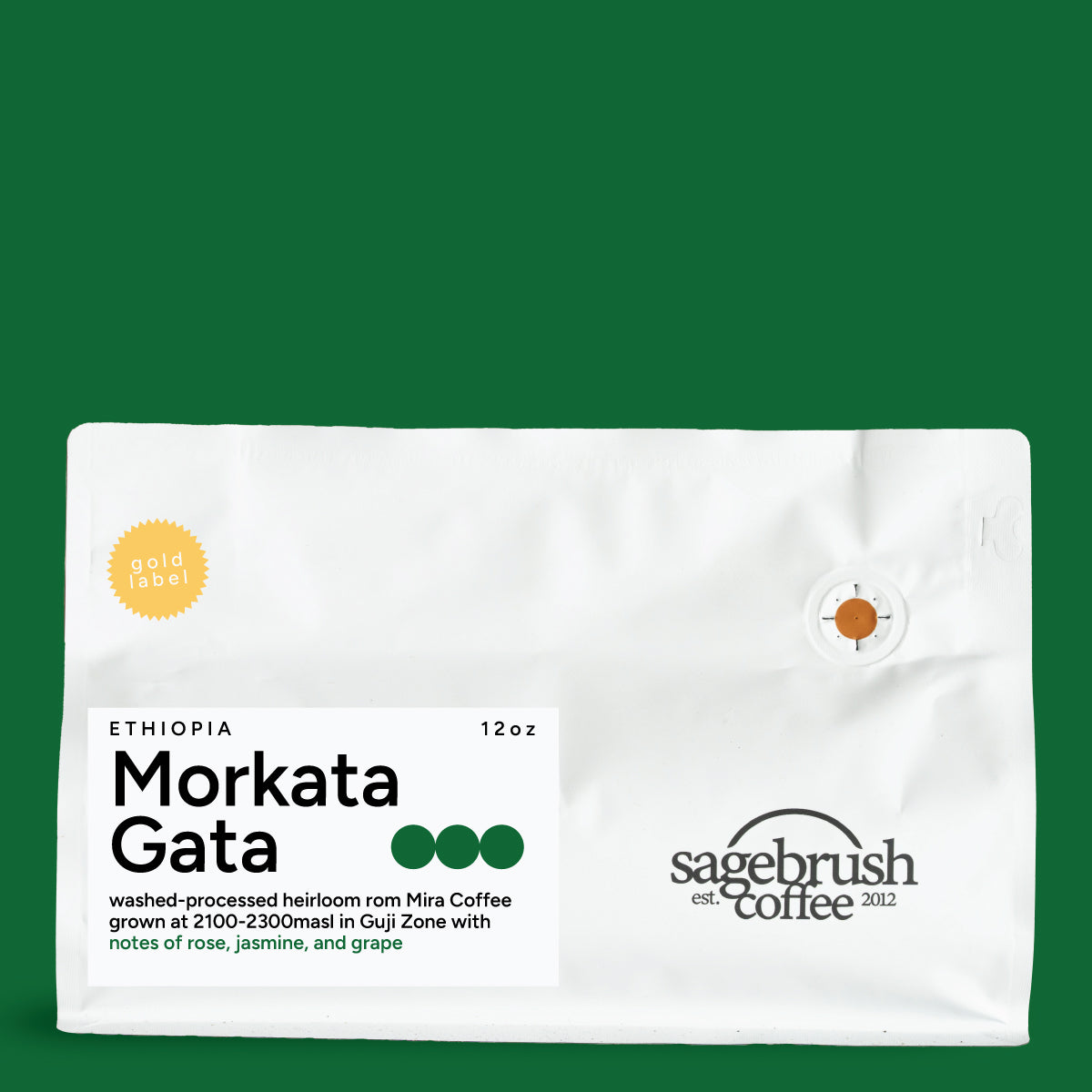
At Sagebrush, we love to showcase the Ethiopian dry-process; it’s a shop favorite. When we hear that Ethiopian coffee is growing, we get excited because it means we can offer this delicious coffee to our customers. If you have been a Sagebrush customer or a follower of our business, you know that we get pretty excited about Ethiopian coffee.