

Quick Guide

What is this coffee?

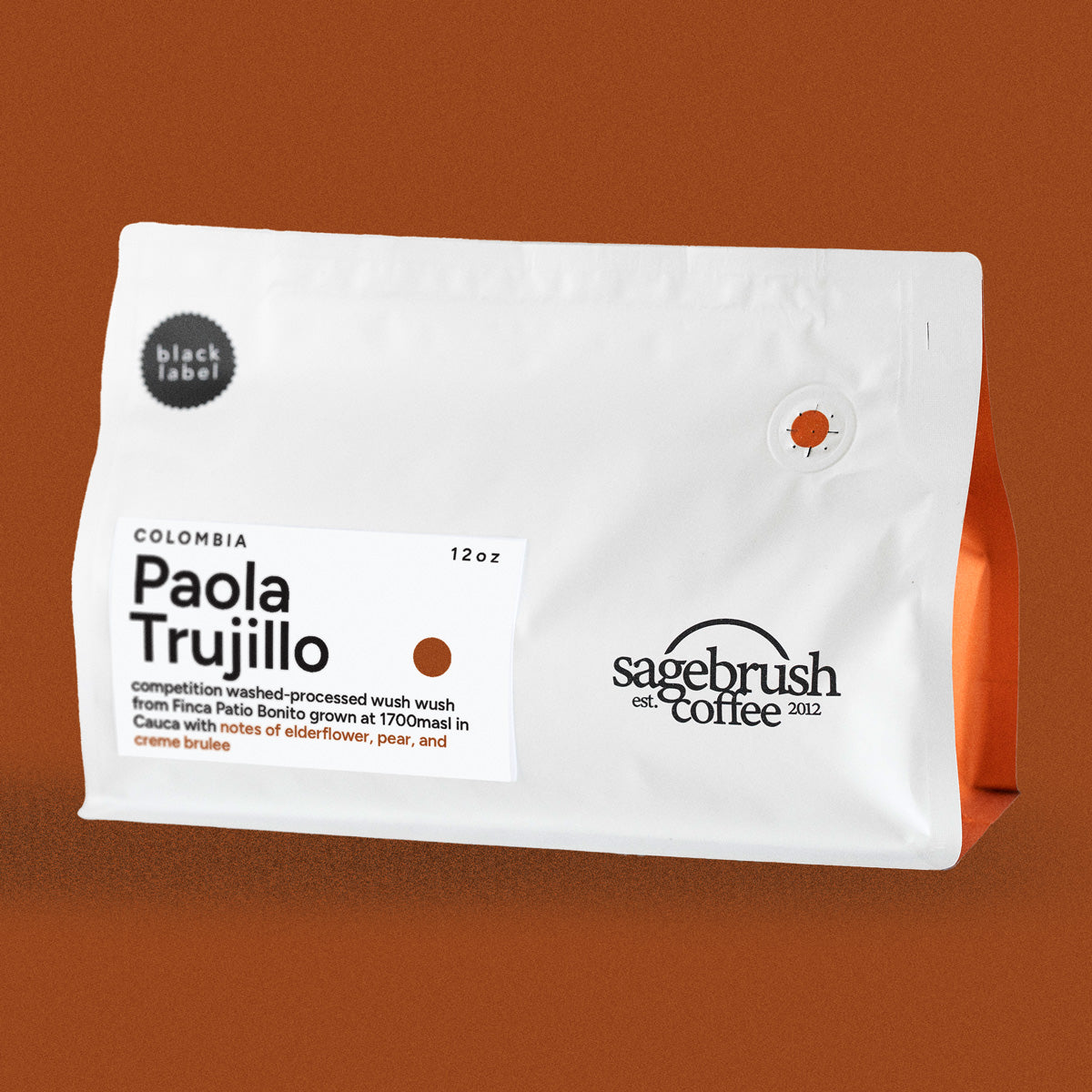
"We have a fleet of coffees from Paola this year, and second on the list is this unique Wush Wush black label. Processed to competition-level perfection, this coffee boasts an incredibly high clarity of tea like notes with florals and subtle fruitedness. This is a heartier bean, with a touch more development in the roast needed to bring out the sweetnesses we know are under that floral layer. This is certainly a sipping coffee, intended to be cherished, not chugged."

-Jonathan

Processing Method

Washed Process- Washed processing is coffee's most common and reliable method. Through depulping, controlled fermentation, and thorough rinsing, this water-intensive process minimizes variables to produce clean, bright cups that showcase origin characteristics and variety.

Country

Colombia- Colombia exports over 12 million bags annually, making it the world's third largest specialty coffee producer. Perfect climate, mountainous terrain, and numerous microclimates create incredibly versatile coffee, from bold chocolate notes to bright fruity profiles, with smooth, balanced flavor.

Altitude

1700m - Altitude is typically correlative to the potential complexity of a coffee bean. The higher in altitude the coffee is grown, the denser the bean will be, resulting in a more dynamic cupping experience.

Classification

Black Label- Black labels are the best coffees we can find period. Whether it’s a hyper-limited crop or an auction lot, we do not let cost be a prohibiting factor in our search for the finest coffees in the world.

Variety(s)

Wush Wush

All about the coffee

Meet Paola & Carlos Trujillo

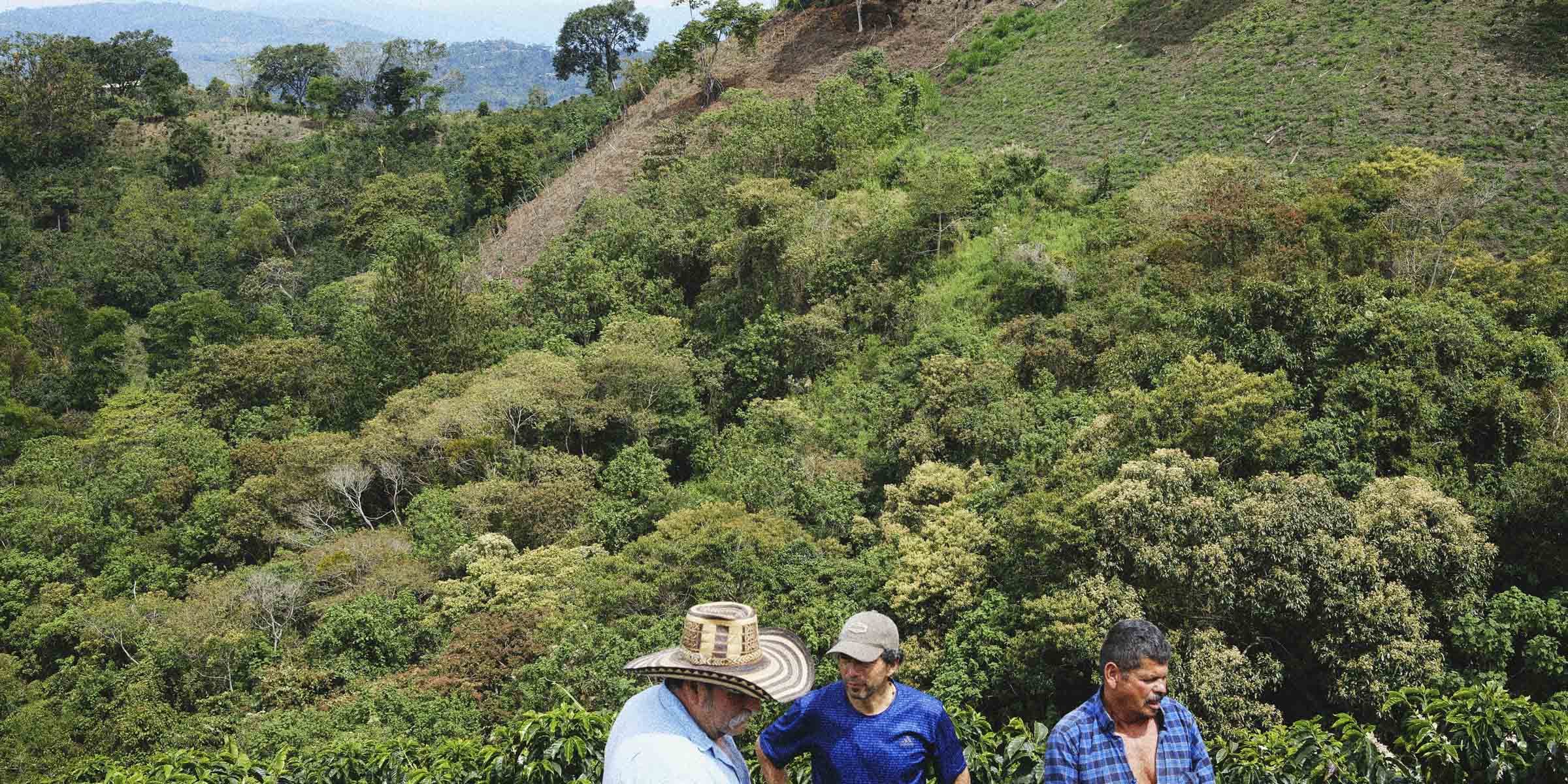
Father-daughter team Carlos & Paola Trujillo bring together 50 years of farming wisdom and modern innovation at Finca Patio Bonito in Cauca, Colombia. Their 11-hectare farm grows 13+ varieties with a focus on education, sustainability, and community development.

Learn More About Paola & Carlos Trujillo

Wush Wush

Wush Wush is an heirloom coffee variety named after the village of Wushwush in Ethiopia, where it was discovered.

So, what’s an heirloom variety? 

In Ethiopia–the birthplace of Arabica coffee–thousands of native coffee varieties grow wild. Many of these are still unclassified today. 

When one is identified, like Wush Wush, it’s exciting. Heirloom varieties are special because of their wide genetic diversity, resulting in cups that are more complex, floral, and fruity than other cultivars.

Wush Wush lives up to the hype. Known for its intensely sweet, fruity, and floral character, it’s traditionally a low-yield, small-bean variety that thrives in fertile soil, tropical climates, and high elevations (around 1800–2100 masl).

As word has spread, Wush Wush has made its way beyond Ethiopia. Colombia, in particular, has become well known for producing this once-secret varietal. But this is where things get really interesting with the flavor profile.

When a variety is planted in a new terroir, it starts to reflect its environment. Higher elevations can bring brighter acidity and juicier cups, while lower elevations may emphasize sweetness and body. 

And then there’s processing–how the coffee seeds are extracted from their cherries and dried. Different processing methods  like natural or anaerobic fermentation make the flavor spectrum expand even further.

With so many variables, no two lots of Wush Wush are quite the same. It’s a great example of why Ethiopian coffees continue to surprise and delight us!

Wush Wush Explained: A Once-Secret Variety with Big Flavor

Washed Process

In the washed process, a machine removes the cherries’ skin and pulp, and the remaining beans are left to ferment in water. It’s by far the most common way coffee is processed—but makes this method so popular?

Washed Process

Colombia

The country of Colombia (not Col-um-bia) boasts some pretty extraordinary claims to fame.

It is the world’s leading exporter of emeralds–exporting 70-90% of the world’s supply. It is the world's second most biodiverse country–with more species of bird than in Europe and North America combined. It has the world's tallest palm trees (up to 200 feet tall!) and the world’s most colorful “rainbow” river (Caño Cristales).

It is also the third largest producer of specialty coffee in the world, preceded only by Brazil and Vietnam. But it didn’t arrive at that place overnight.

Coffee Terroir Guide: Colombia's Versatility & Complexity