

Coffee Varieties Guide •
Read our Coffee Varieties article
Coffee Variety Guide: Wush Wush Coffee Variety
What Are Coffee Varieties
Believe it or not, coffee isn’t a bean–it’s a seed!
Every coffee bean begins as the seed of a bright red cherry growing on the Coffea Arabica plant. Those seeds are then extracted, processed, and packaged to become the green coffee “beans” we all know and love.
But just like apples, Coffea Arabica has many varieties.
All apple trees belong to the same species, but the fruit they produce differs in texture, acidity, sweetness, and color (think, Granny Smith vs. Red Delicious).
Similarly, all coffee plants belong to the Coffea Arabica species, but there are different varieties that produce fruit with different flavor characteristics.
How did so many varieties come about, you might ask?
The answer is two-fold: 1) there are still thousands of unclassified varieties growing wild in Ethiopia–the birthplace of Coffea Arabica–today. These varieties are known as “heirloom” coffees or “regional landraces”.
2) From the very first variety that was discovered in Ethiopia and planted all over the world, an entire family tree of specialty coffee has been birthed. These varieties came about through natural mutations, natural hybrids, and human-engineered hybrids.
The Bourbon variety comes from that second one.
The Wush Wush Variety
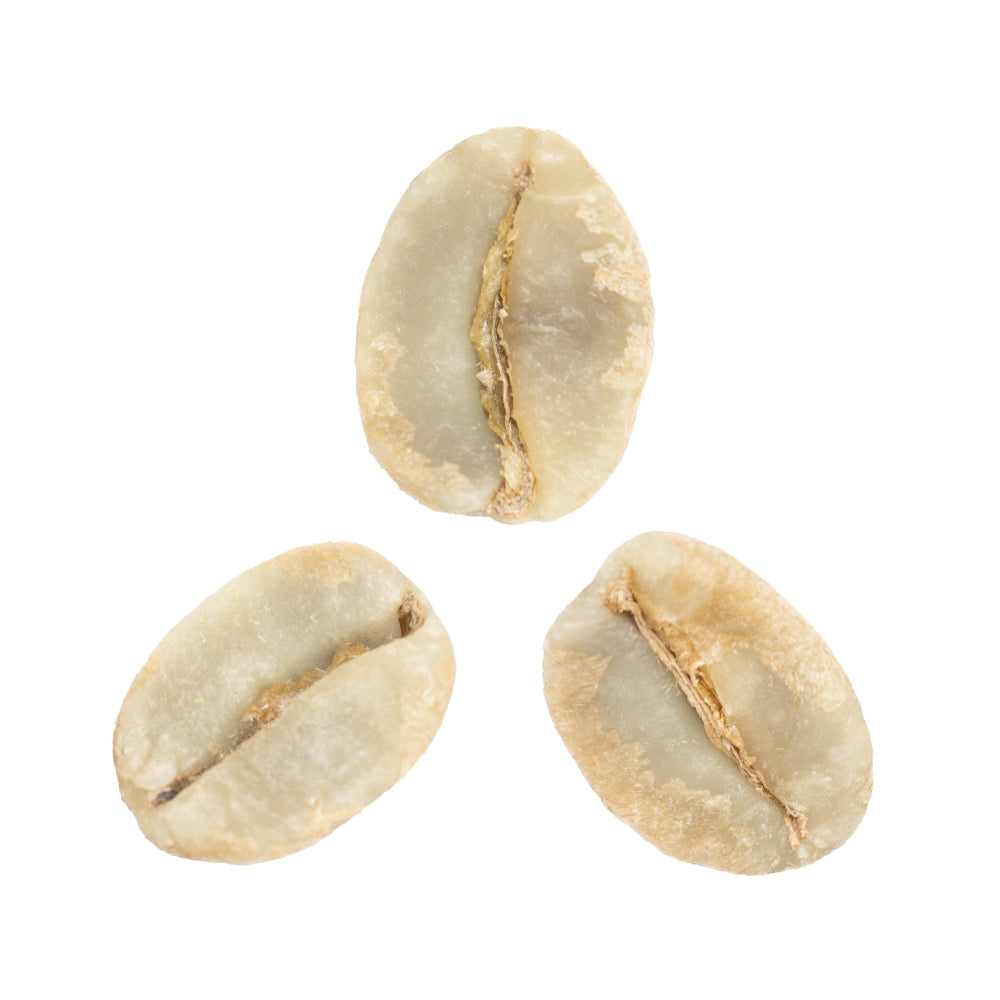
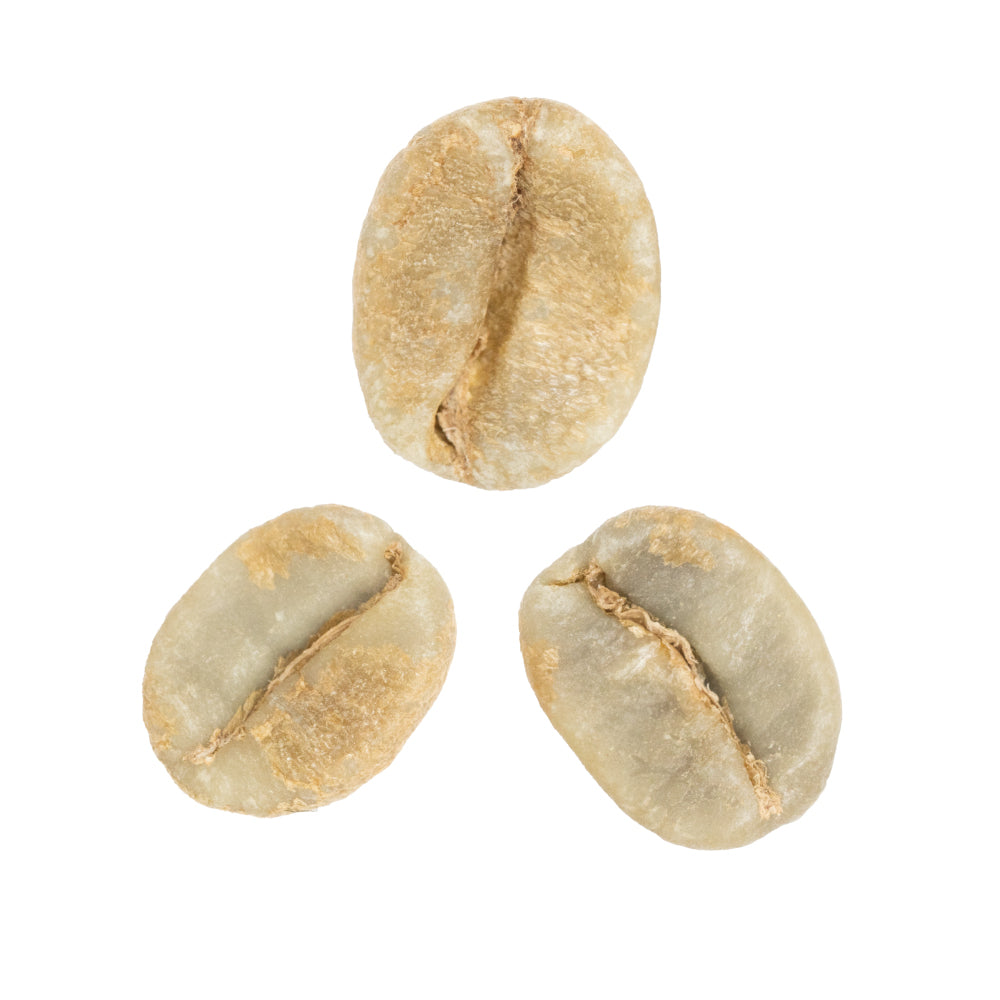
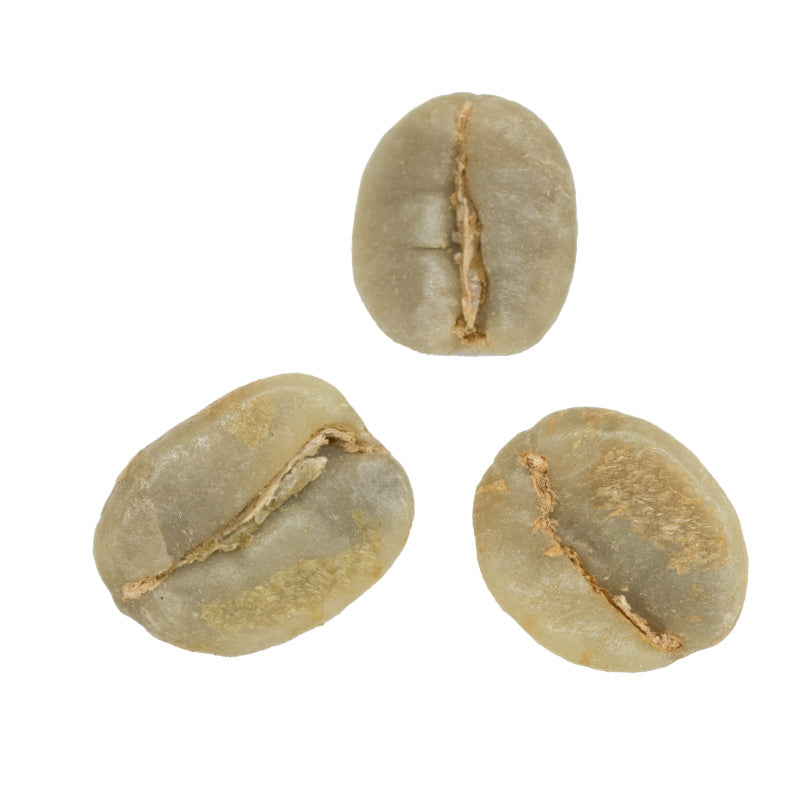
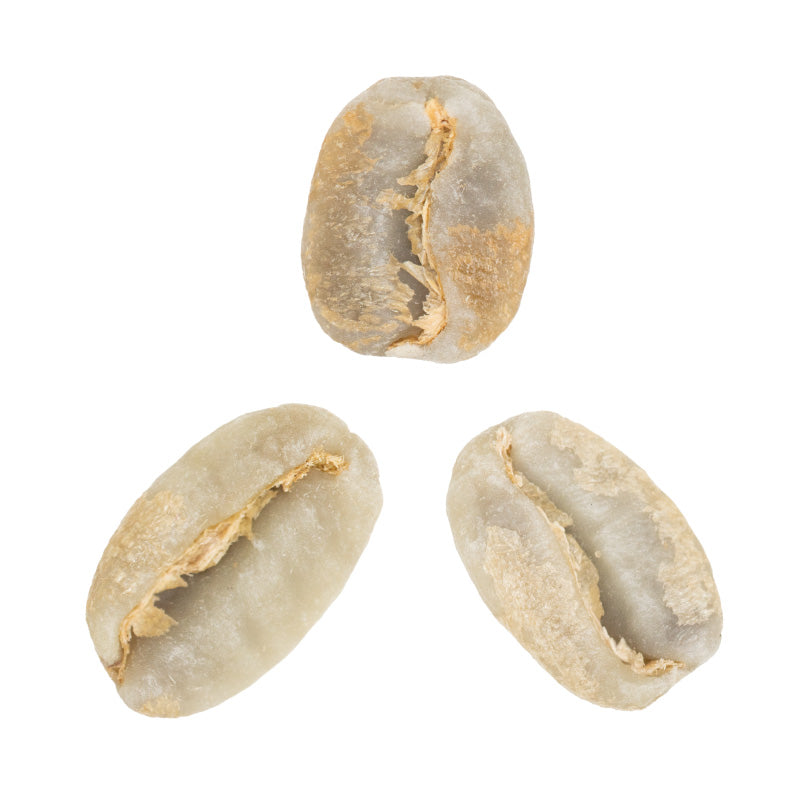
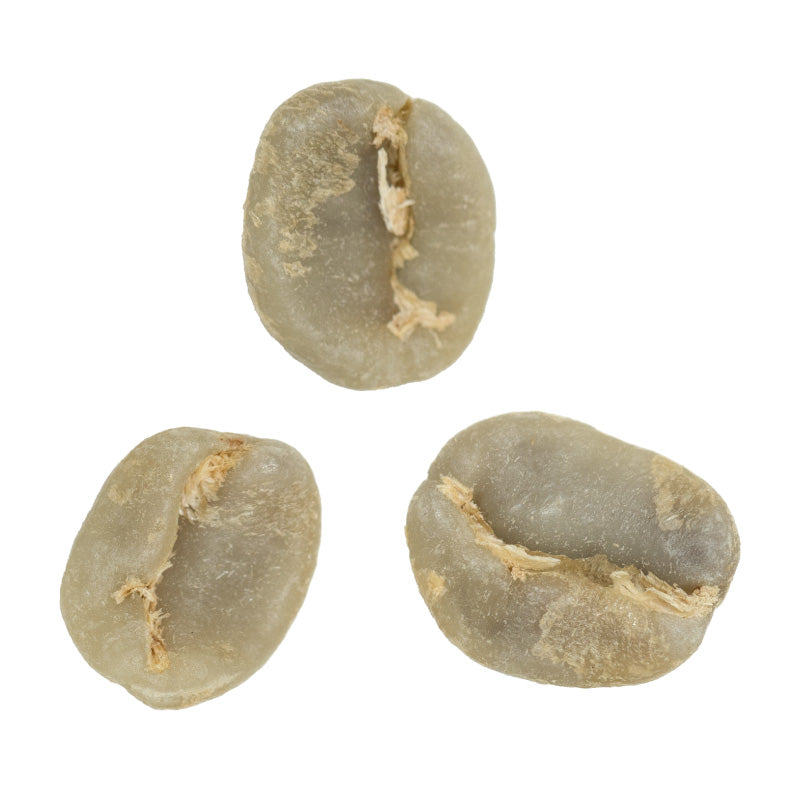
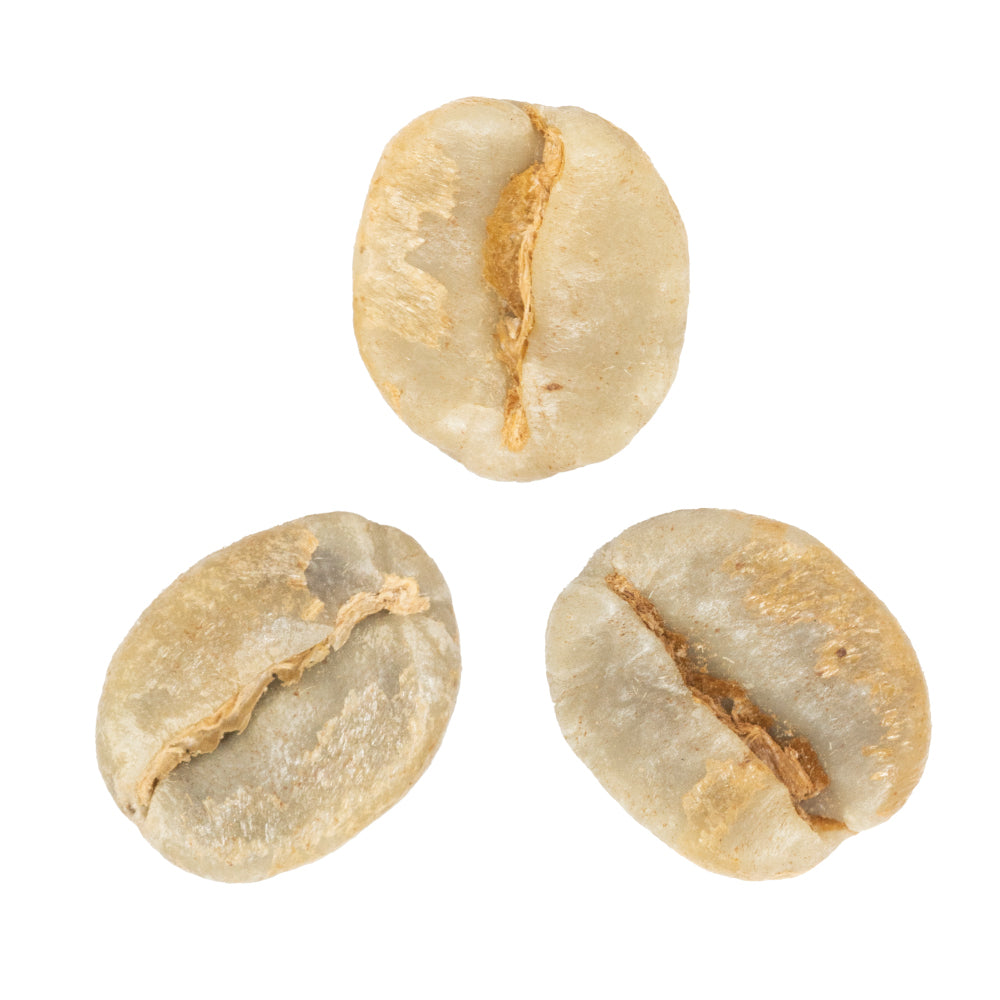
Wush Wush is an heirloom coffee variety named after the village of Wushwush in Ethiopia, where it was discovered.
So, what’s an heirloom variety?
In Ethiopia–the birthplace of Arabica coffee–thousands of native coffee varieties grow wild. Many of these are still unclassified today.
When one is identified, like Wush Wush, it’s exciting. Heirloom varieties are special because of their wide genetic diversity, resulting in cups that are more complex, floral, and fruity than other cultivars.
Wush Wush lives up to the hype. Known for its intensely sweet, fruity, and floral character, it’s traditionally a low-yield, small-bean variety that thrives in fertile soil, tropical climates, and high elevations (around 1800–2100 masl).
As word has spread, Wush Wush has made its way beyond Ethiopia. Colombia, in particular, has become well known for producing this once-secret varietal. But this is where things get really interesting with the flavor profile.
When a variety is planted in a new terroir, it starts to reflect its environment. Higher elevations can bring brighter acidity and juicier cups, while lower elevations may emphasize sweetness and body.
And then there’s processing–how the coffee seeds are extracted from their cherries and dried. Different processing methods like natural or anaerobic fermentation make the flavor spectrum expand even further.
With so many variables, no two lots of Wush Wush are quite the same. It’s a great example of why Ethiopian coffees continue to surprise and delight us!
Explore Coffees
Deep Dive Into Specific Coffee Varieties