Quick Guide

What is this coffee?

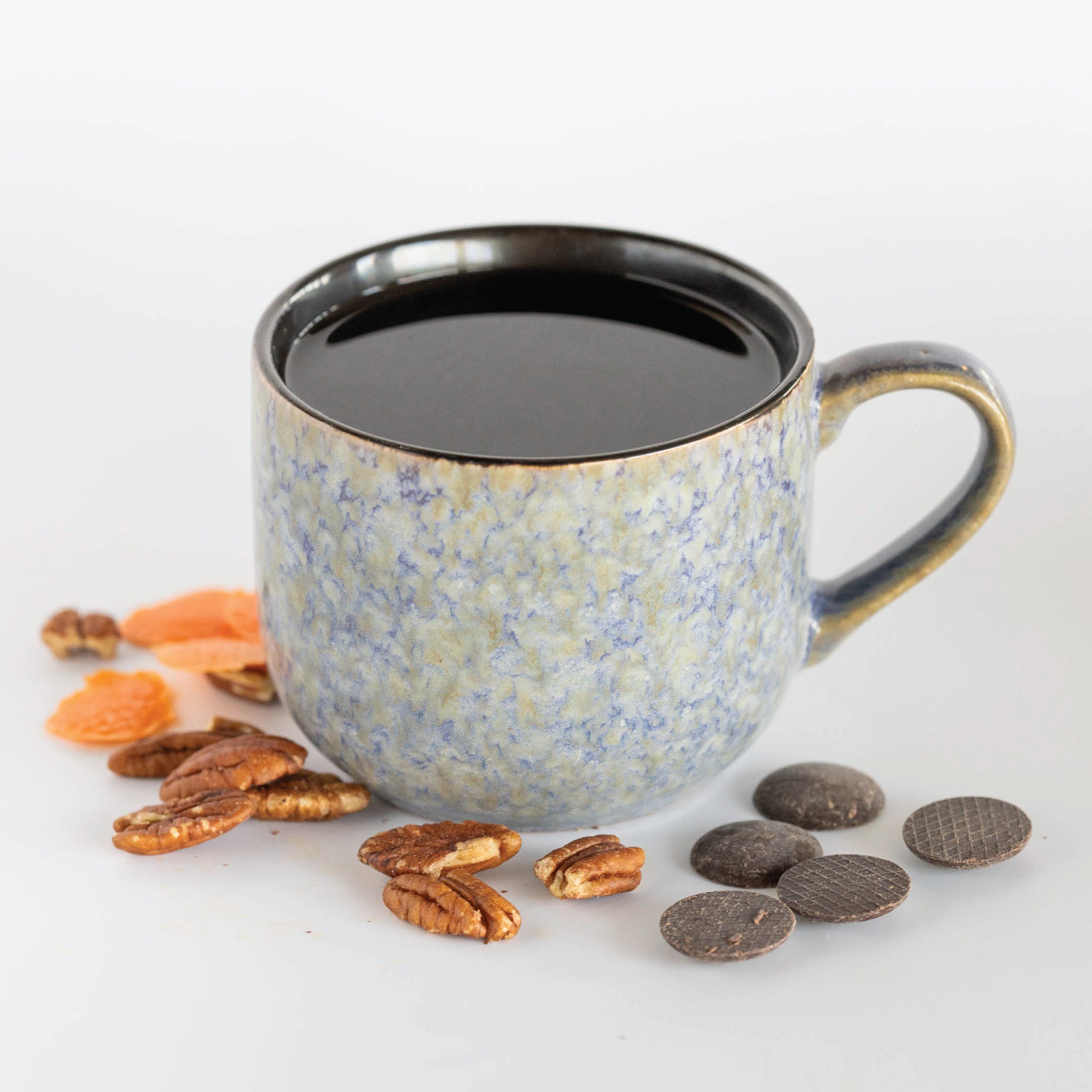
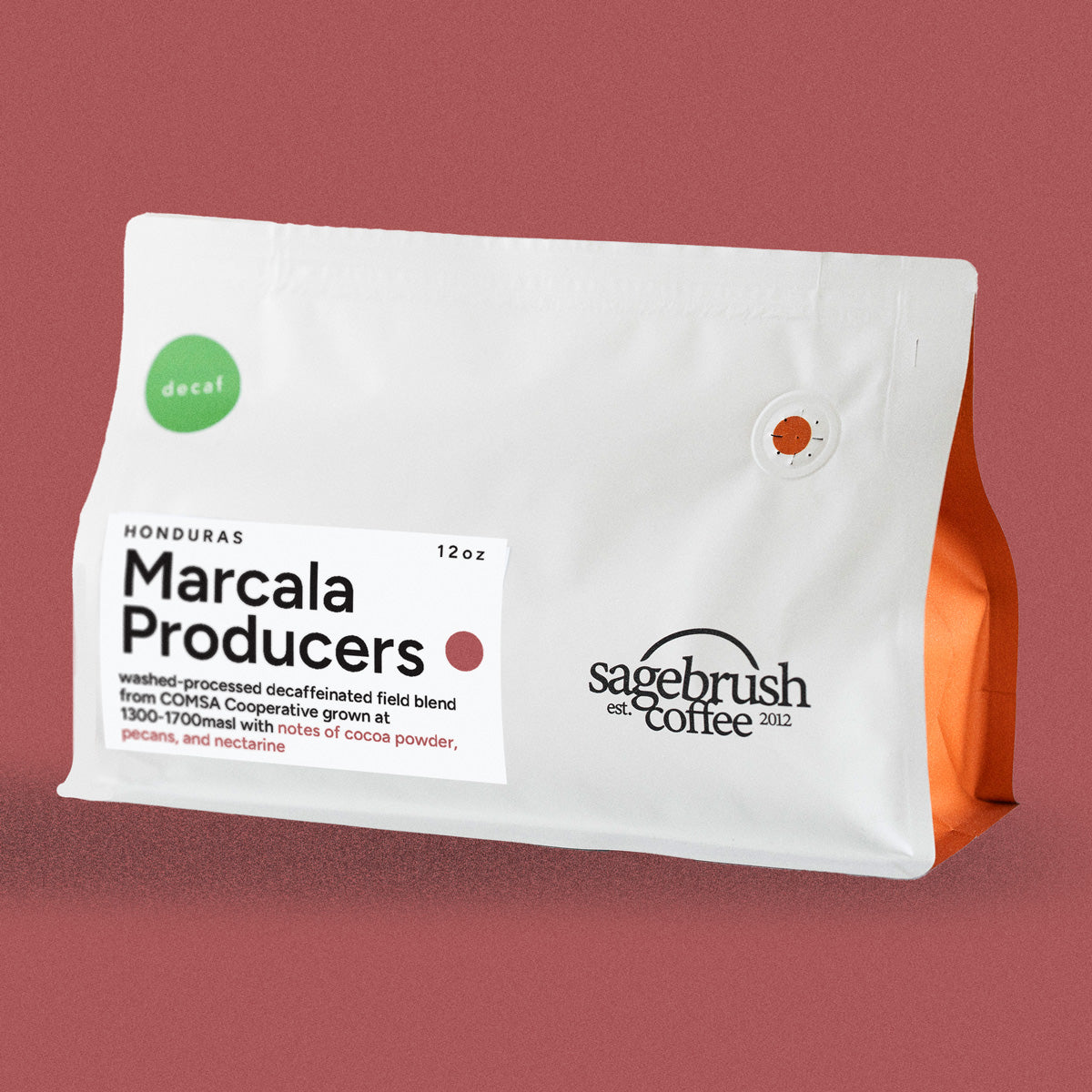
I’m excited about this decaf. This coffee from Honduras boasts a balanced profile without much of that distinct decaf-y taste at all. The cup profile mends woodsy cocoa notes with a pleasant acidity on the back end as it cools. In all honesty, I never go for decafs myself, but this bean has me way more inclined to grab that afternoon cup. 

Processing Method

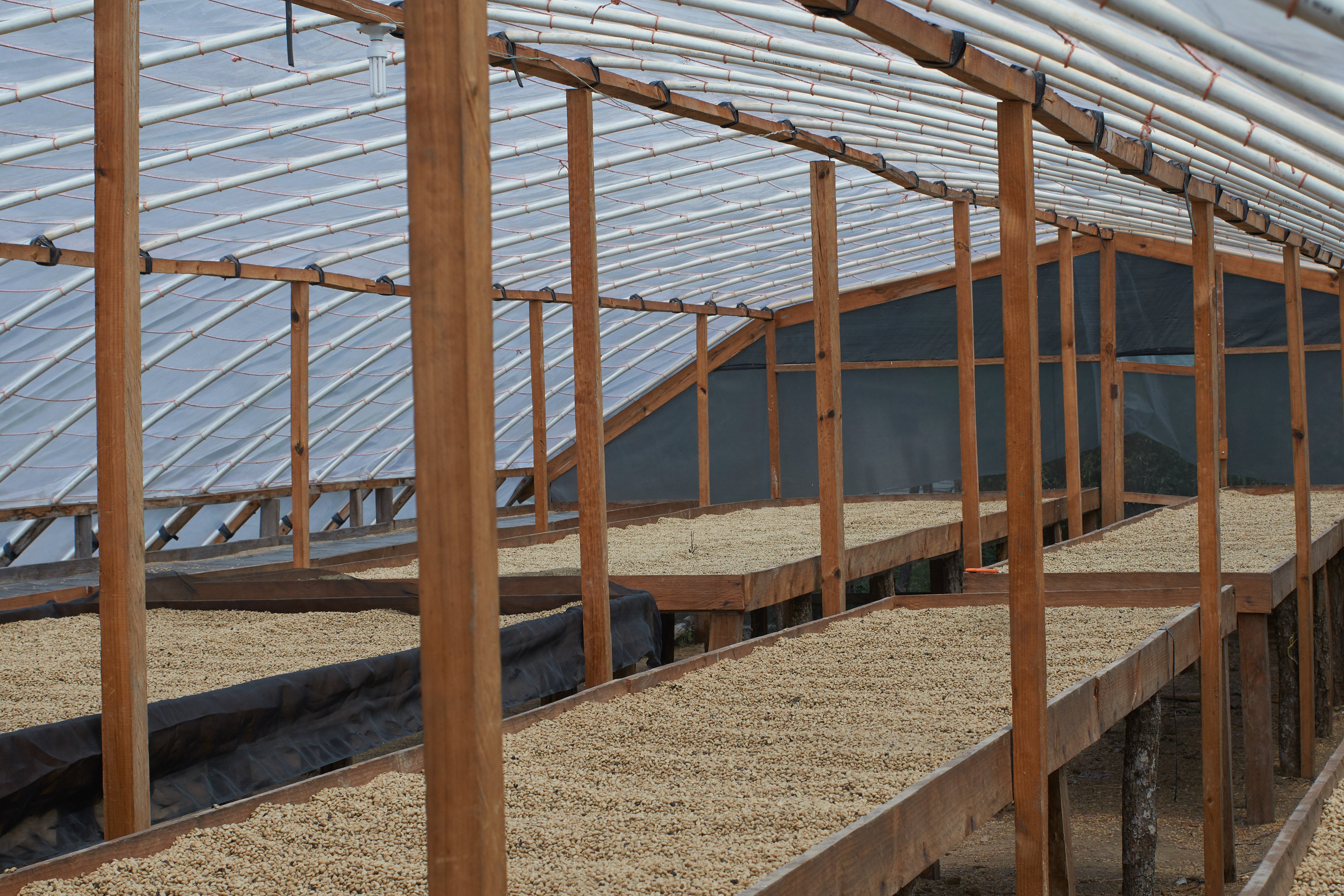
Washed Process- Washed processing is coffee's most common and reliable method. Through depulping, controlled fermentation, and thorough rinsing, this water-intensive process minimizes variables to produce clean, bright cups that showcase origin characteristics and variety.

Country

Honduras- Honduras (haan•dur•uhs) has long been known as the underdog of the coffee community. Historically, Honduran coffee beans were known to be mild and mediocre, which made them the perfect base for coffee blends. Now, Honduras is the leading producer of coffee in Central America. A versatile range of flavors can be discovered in Honduran coffees, but the best-rated often have complex fruity flavor notes, with a bright and juicy acidity. 

Altitude

1300-1700m - Altitude is typically correlative to the potential complexity of a coffee bean. The higher in altitude the coffee is grown, the denser the bean will be, resulting in a more dynamic cupping experience.

Classification

Brown Label- If not for those who come before us in the supply chain, we would not be the company we are today. In light of that, we see it critical to help producers in whatever way we can to develop in their craft as well.

Variety(s)

Bourbon, Catuai, Caturra, Lempira, Ihcafe 90, Pacas, and Typica

All about the coffee

Meet COMSA Cooperative

The cooperative currently has around 1200 members in areas surrounding Marcala, with farms scattered across an altitude range of 1,300 to 1,700 meters above sea level. It's been a while since we had a Honduras coffee as a decaf, but this was one we couldn't pass up. It has the bright characteristics and balanced flavors that high grown Central American coffees are known for, and the cup clarity struck as as remarkably "un-decaf" in flavor. It was processed with a decaffeination method that utilizes steam to remove nearly 100% of the caffeine from coffee. The plant in Mexico where this coffee was processed has a reputation for producing a decafs that closely resemble the original non-decaf lots, which this coffee can attest to!

Learn More About COMSA Cooperative

Bourbon

The best things in life often come in pairs. Batman and Robin. Peanut butter and jelly. Together, they accomplish more than they would alone. 

When it comes to the two most important varieties in specialty coffee, Bourbon and Typica are the clear winners. 

If you’re a coffee lover, you’ve likely heard of varieties like Bourbon and wondered, what is it? How is it different from other varieties? And does it affect the taste of my morning coffee?

Bourbon Coffee: Parent Variety Profile & Flavor Guide

Washed Process

In the washed process, a machine removes the cherries’ skin and pulp, and the remaining beans are left to ferment in water. It’s by far the most common way coffee is processed—but makes this method so popular?

Swiss Water Decaf decaf use their patented chemical-free, water-decaffeination process to remove 99.9% of the coffee's caffeine content. The technique is gentle on the coffee's organic structure, leaving much of the aromatic compounds that affect flavor and aroma intact.

Washed Process

Honduras

The introduction of coffee to Honduras is still a bit of a mystery. The earliest record of coffee production is dated back to the early 19th century when it was transported from the Caribbean. It was introduced under Spanish ownership but gained momentum after Honduras achieved independence. At the time, it was the second biggest export, only topped by bananas. By 2001 however, the production of coffee increased dramatically and became the primary cash crop within the country. 

Coffee Terroir Guide: From Underdog to Central American Favorite