

Coffee Terroir Overview

Read our Terroir article

Coffee Terroir Guide: How Honduras Went From Underdog to Central American Favorite

The introduction of coffee to Honduras is still a bit of a mystery. The earliest record of coffee production is dated back to the early 19th century when it was transported from the Caribbean. It was introduced under Spanish ownership but gained momentum after Honduras achieved independence. At the time, it was the second biggest export, only topped by bananas. By 2001 however, the production of coffee increased dramatically and became the primary cash crop within the country. 

Honduras (haan•dur•uhs) has long been known as the underdog of the coffee community. Historically, Honduran coffee beans were known to be mild and mediocre, which made them the perfect base for coffee blends. Now, Honduras is the leading producer of coffee in Central America. A versatile range of flavors can be discovered in Honduran coffees, but the best-rated often have complex fruity flavor notes, with a bright and juicy acidity. 

The introduction of coffee to Honduras is still a bit of a mystery. The earliest record of coffee production is dated back to the early 19th century when it was transported from the Caribbean. It was introduced under Spanish ownership but gained momentum after Honduras achieved independence. At the time, it was the second biggest export, only topped by bananas. By 2001 however, the production of coffee increased dramatically and became the primary cash crop within the country. 

Due to Honduras' late blossoming and lack of infrastructure, it was challenging at first for them to produce high-quality coffee. In 1970, the Instituto Hondureño del Café was established to improve quality by using coffee-tasting laboratories to assist local farmers. By 2011, Honduras was producing six million bags of high-quality coffee, which is more than Guatemala and Costa Rica combined! Around 110,000 families are involved in the coffee business across the country. 

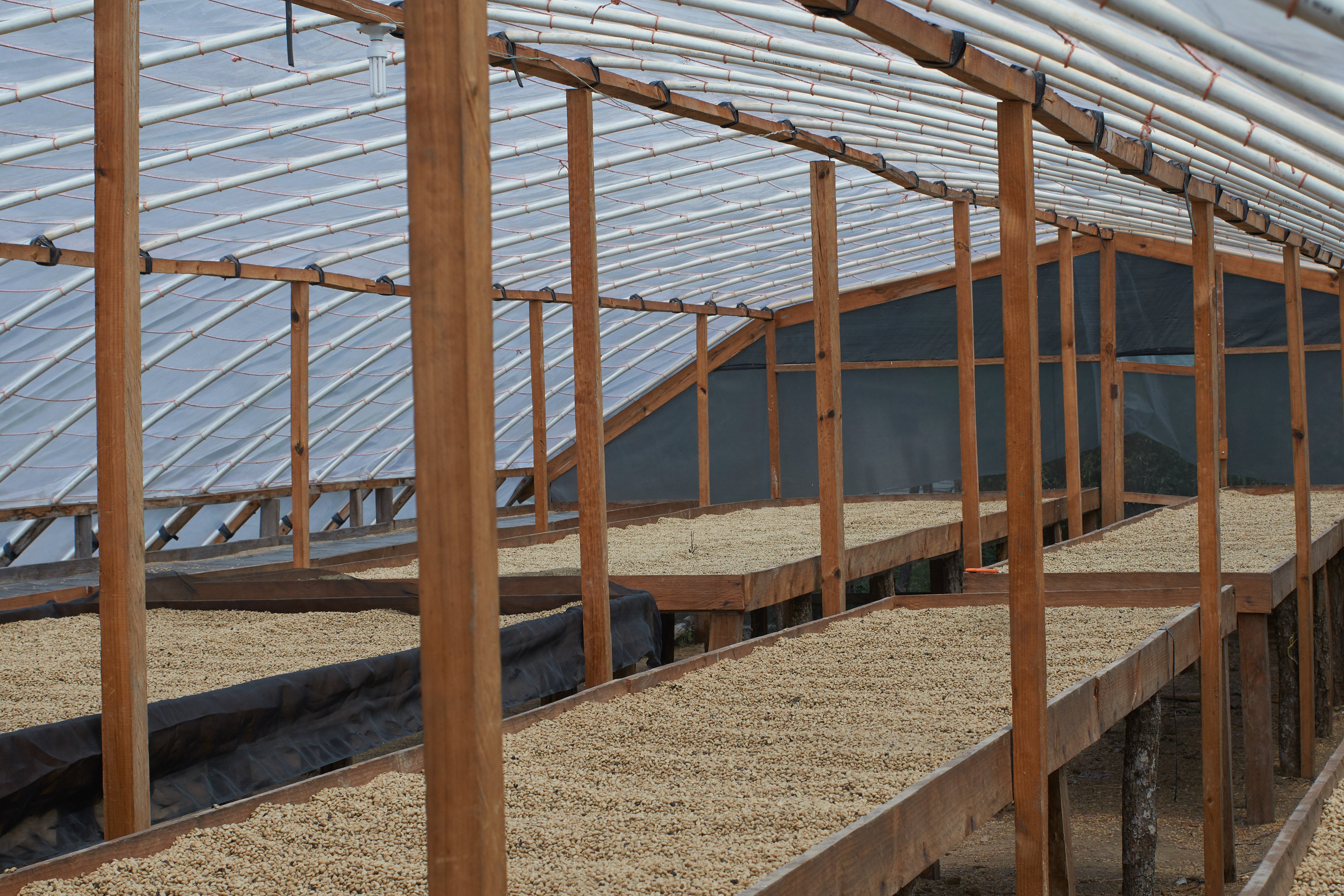
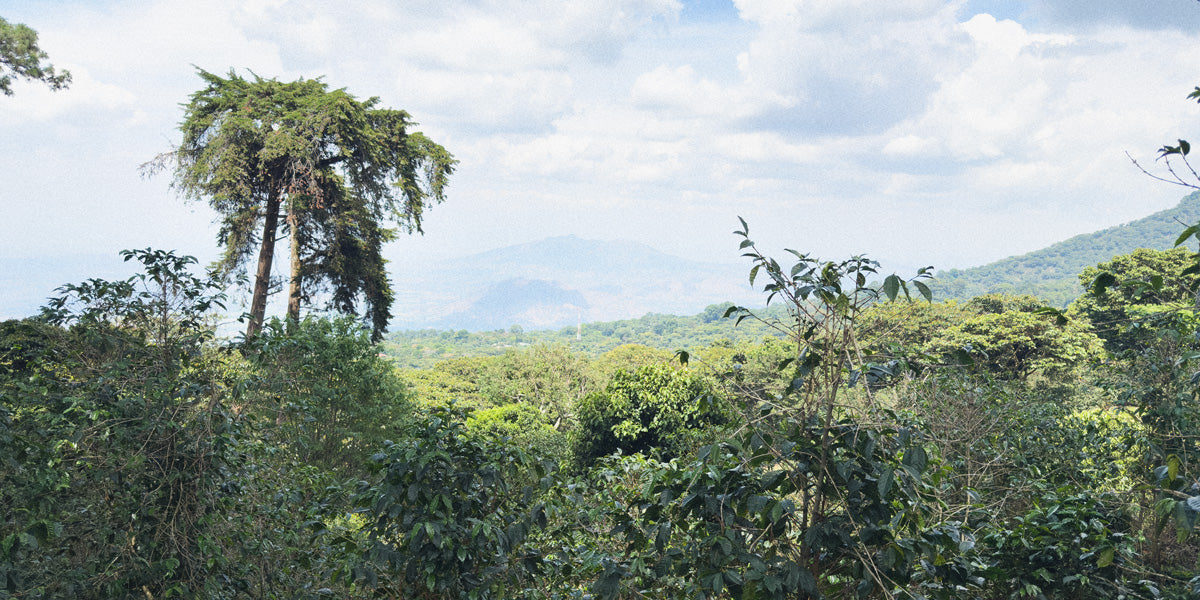
Sandwiched between the Caribbean Sea and the Pacific Ocean, most of the coffee is grown closer to the central mountain regions. Although the land is opportune for producing coffee, the high rainfall often makes the beans challenging to dry after processing. The high growing elevations and increased investments in coffee growth allow for organic coffee to be easily accessed. In fact, most of the certified organic coffees we've offered at Sagebrush have come from Honduras.

Detailed Country of Origin Articles
Coffee farmers standing together in a coffee farm

Colombia

Colombia exports over 12 million bags annually, making it the world's third largest specialty coffee producer. Perfect climate, mountainous terrain, and numerous microclimates create incredibly versatile coffee, from bold chocolate notes to bright fruity profiles, with smooth, balanced flavor.

learn more

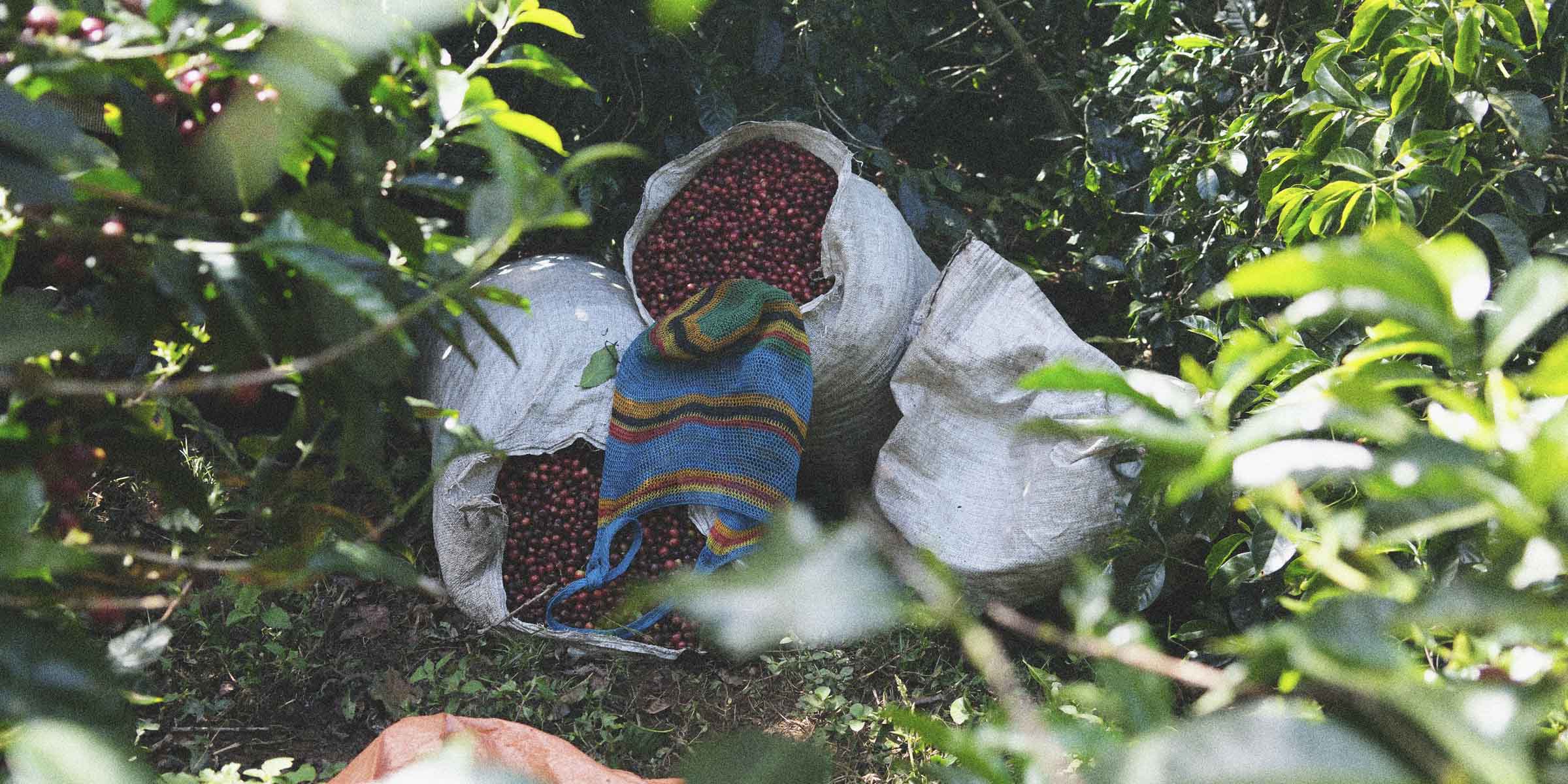
Specialty coffee cherries in multiple bags laying on the ground on a farm

Costa Rica

Costa Rica's commitment to coffee excellence is unmatched. Point in fact: they once had a country-wide ban on the production of Robusta (a coffee plant that produces lower-quality coffee) and grew only Arabica for thirty years. This commitment has paid off on the global stage, as Costa Rican coffee has become widely known for its bright, clean, beautiful cups.

learn more

El Salvador

We've been buying from El Salvador for years after meeting a producer who prized coffee excellence in a way that moved the country forward. As we explore this nation's coffee heritage, it becomes clear why El Salvador remains a hidden gem.

learn more

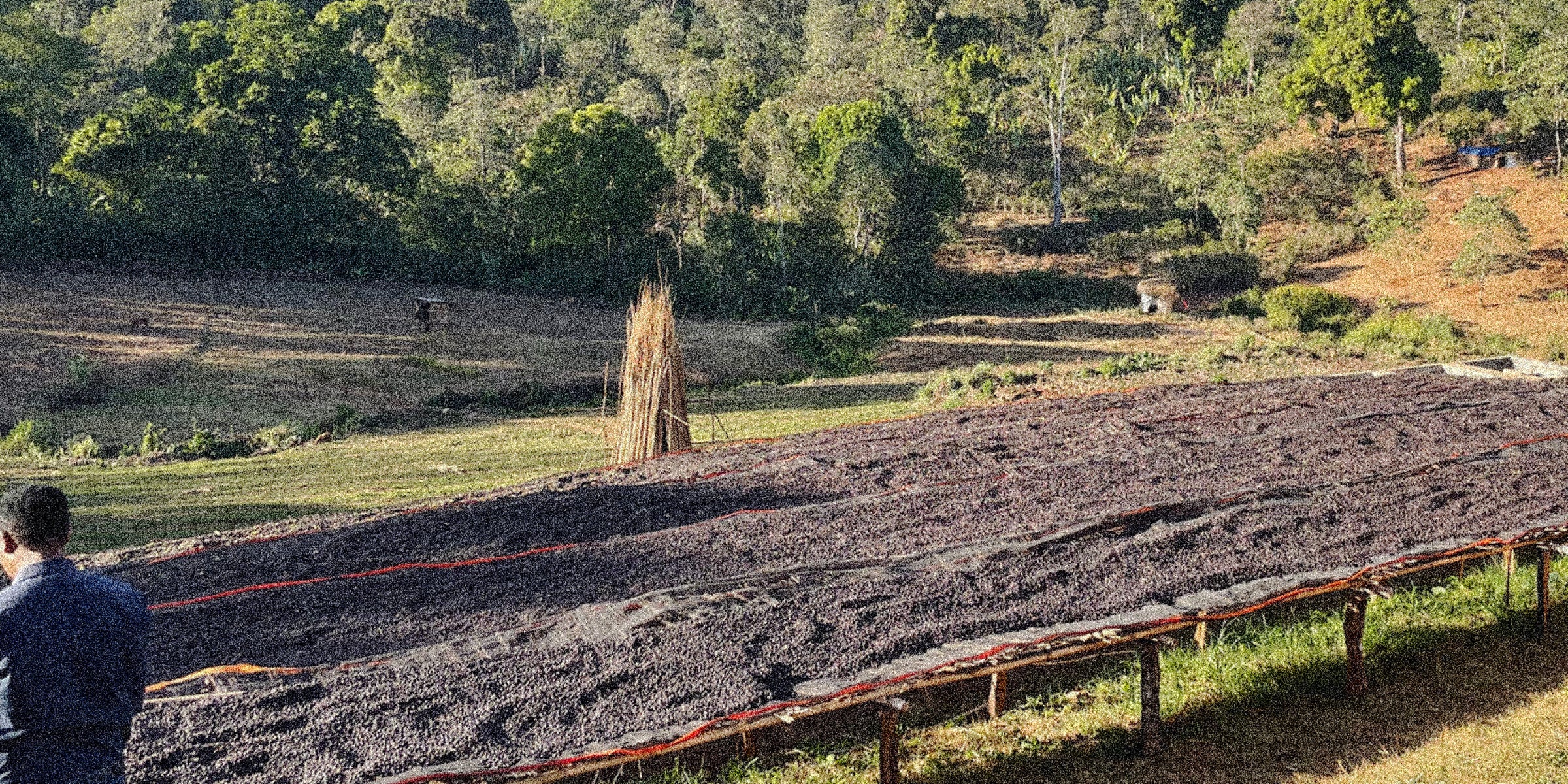
Person observing a drying bed of coffee with trees and fields in the background.

Ethiopia

Ethiopia, the birthplace of coffee and fifth largest producer globally, grows over 1,000 varieties naturally at high elevations. Three key regions, Yirgacheffe, Sidamo, and Harrar, produce distinct profiles from sweet and fruity to wild and jammy, making Ethiopian beans world-renowned.

learn more

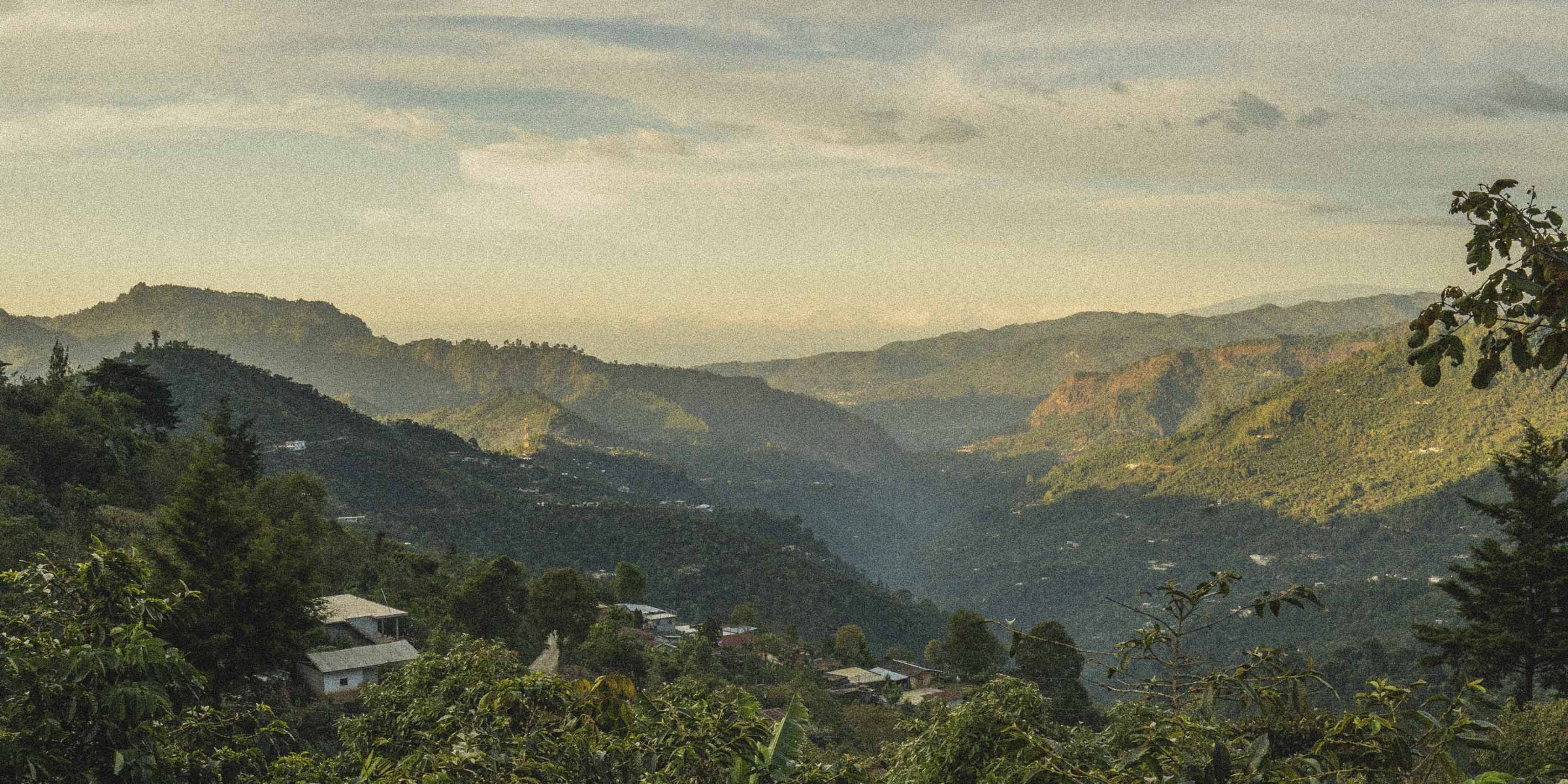
Hilly landscape of the mountains of Huehuetanango with greenery and a few buildings, under a cloudy sky.

Guatemala

Guatemala is one of the world's largest high-quality coffee producers, exporting over $1 billion in 2023. With high altitudes, rich volcanic soil, and 300+ microclimates, Guatemalan coffee delivers balanced, bright complexity with sweet caramel notes, creamy vanilla, and rich chocolate.

learn more

Kenya

Kenya stands out with its modern approach to coffee production, including the famous grading system that categorizes beans by size and quality. The renowned AA beans, grown above 1,700 meters, produce bright, vibrant, fruity cups. Kenya's research-driven industry is a 21st-century model.

learn more

Mexico

Standing on a Guatemalan coffee farm, Edwin pointed to Mexico just across the valley. Same mountains, same soil, same climate - but half the price. The difference isn't quality, it's infrastructure. That's changing, and Mexico is about to show what it's been hiding.

learn more

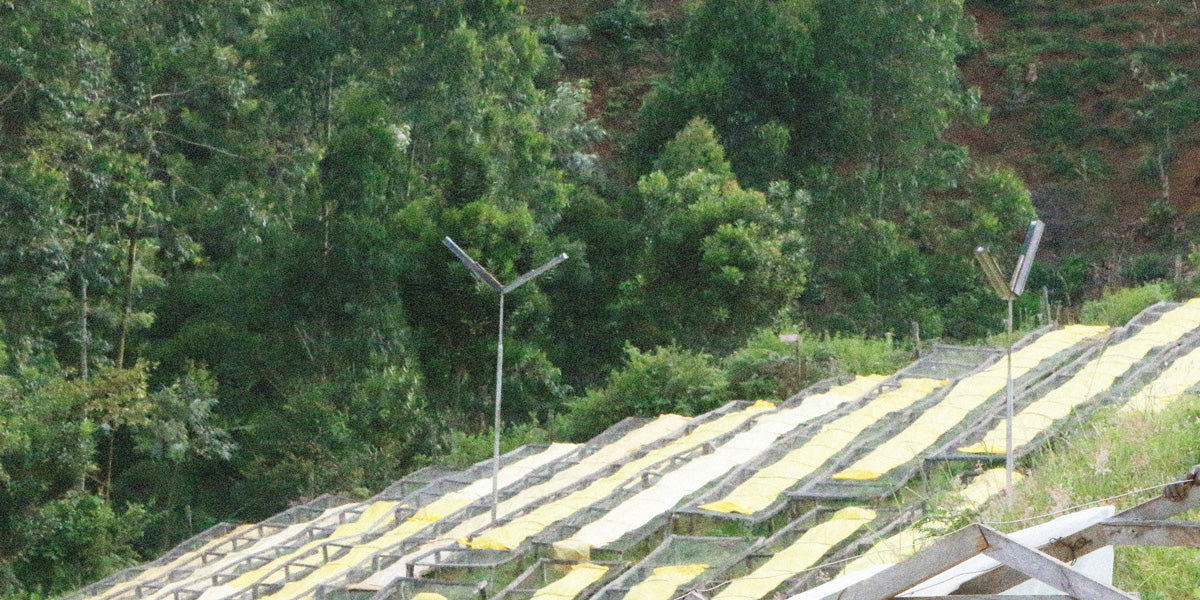
Lamastus family farm with drying beds and a cupping facility

Panama

Panama's coffee industry focuses on quality over quantity, producing just 0.1% of the world's coffee while earning recognition as one of the finest. Home to the exclusive Gesha variety, Panamanian beans are well-balanced with chocolates, caramels, berries, and unique floral notes.

learn more

Tanzania

Tanzania's coffee is the largest export crop, contributing $115 million annually. 70% Arabica beans grow primarily in Kilimanjaro's Moshi region, accounting for 75% of production. Northern coffees are sweet and tropical while southern beans offer complex, fruity profiles.

learn more