Quick Guide

What is this coffee?

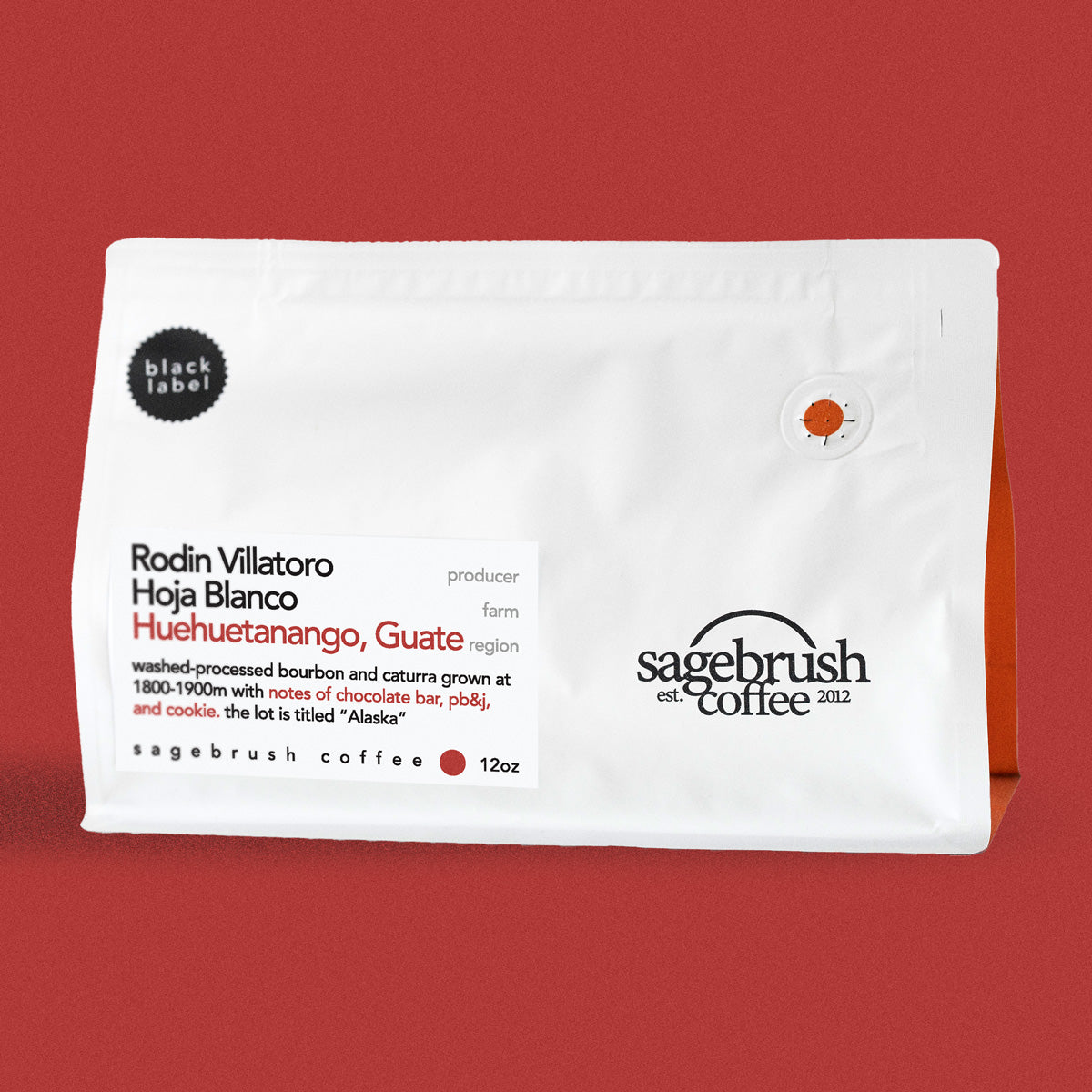
My relationship with natural coffees has been love and hate. For a long time I couldn't get enough of them, then the world of anaerobic and co-ferments came and everything was too boozy or fake for me. I think producers like Rodin have learned to do both traditional natural coffees and anaerobic well and can leave co-ferms with someone else.

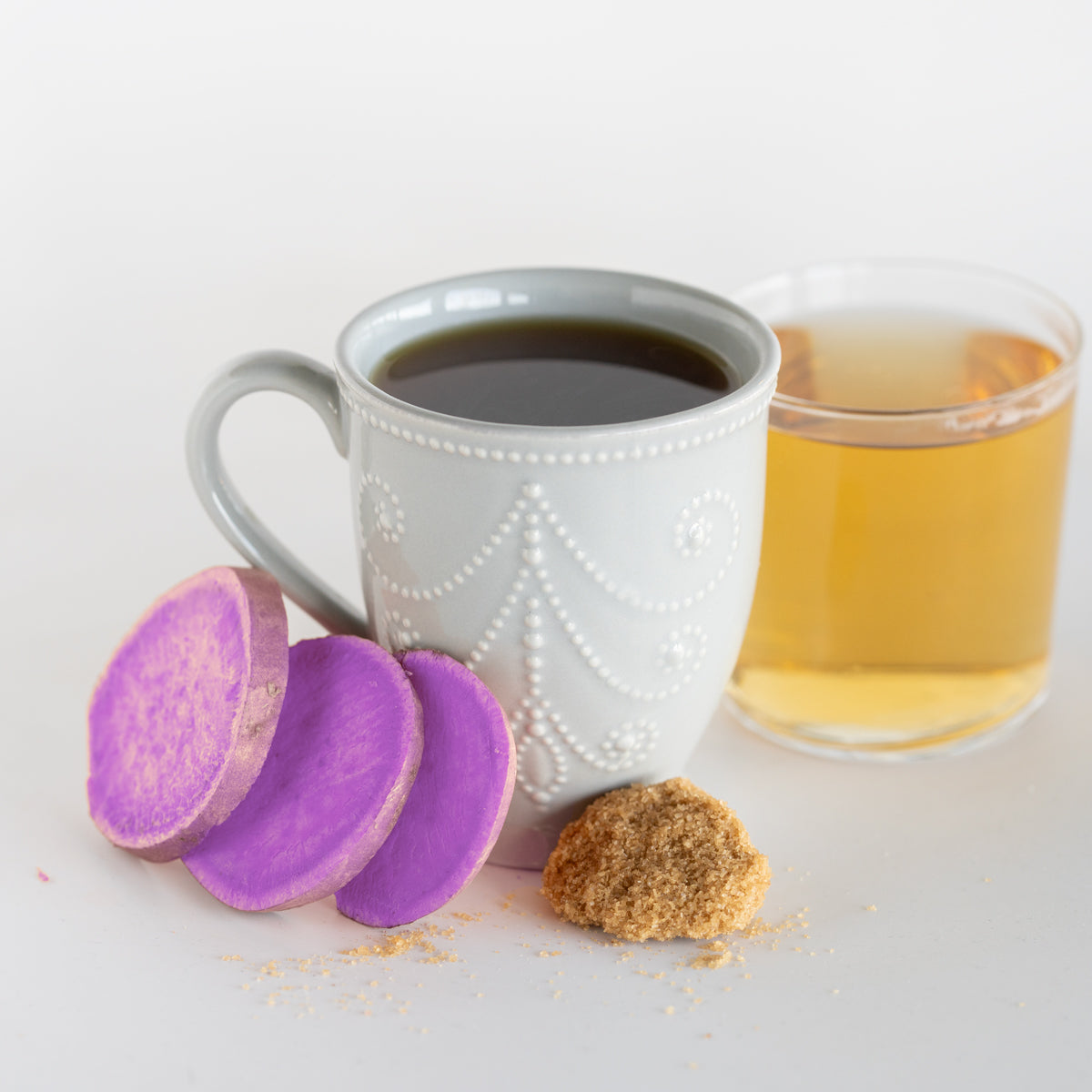
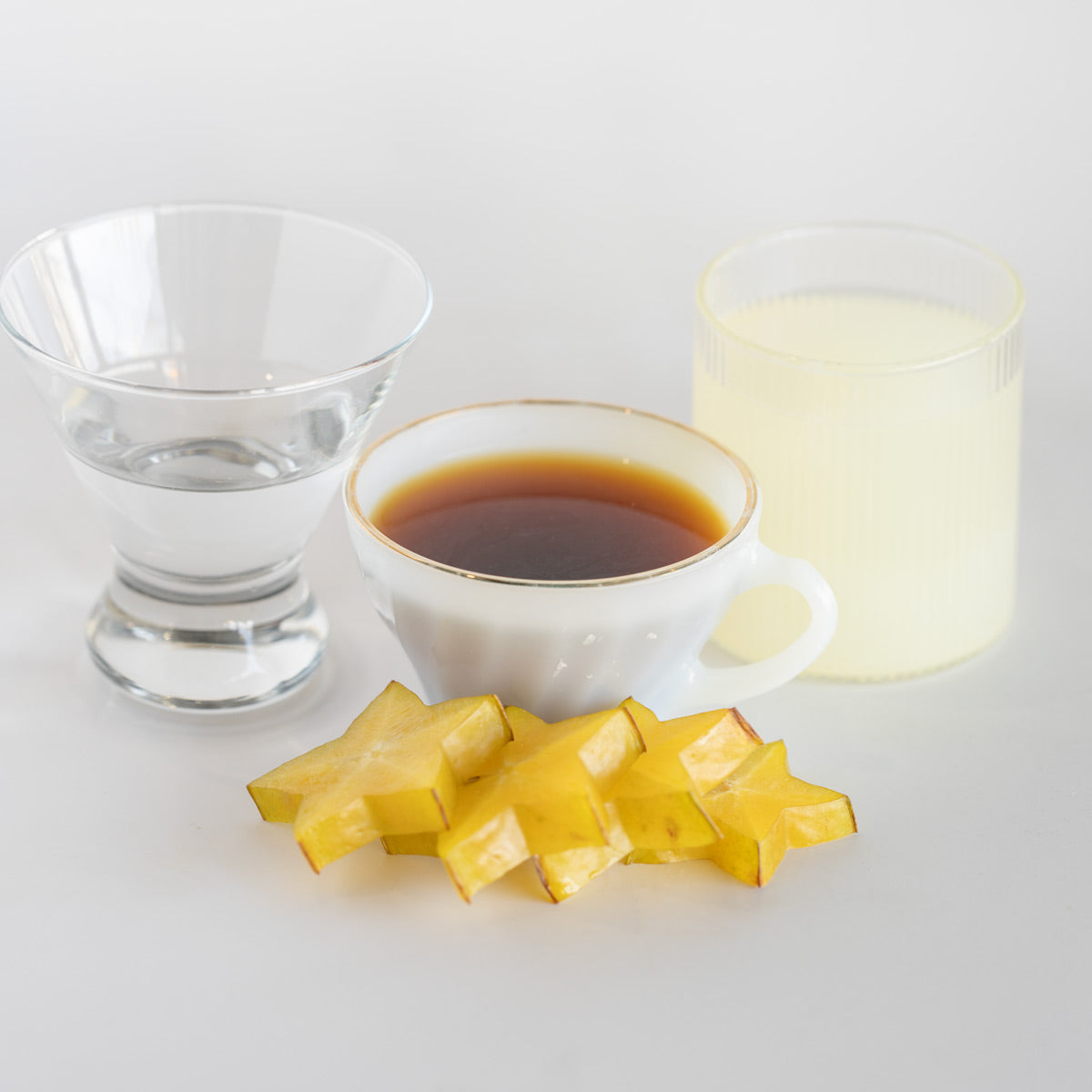
This coffee has me firmly back in the natural camp. It has the fruit character you'd expect, but it never overwhelms. It's restrained in the best way. Soft ube sweetness, the delicate body of a white tea, and this warm brown sugar finish that just sits on your palate. The whole cup seems to work together perfectly...nothing fights for attention. That's Rodin. The guy is meticulous from pick to patio, and you can taste the difference between someone who manages a natural process and someone who just lets it happen. This is the kind of cup that makes you rethink what Guatemala can do outside of the washed tradition his family is already known for. We're proud to have it.

-Matt

Processing Method

Natural Process- Natural processing dries whole cherries with fruit intact. As microorganisms ferment the sugars, they create bold, wine-like flavors with thick body and mild acidity—extravagant and fruity compared to other methods.

Country

Guatemala- Guatemala is one of the world's largest high-quality coffee producers, exporting over $1 billion in 2023. With high altitudes, rich volcanic soil, and 300+ microclimates, Guatemalan coffee delivers balanced, bright complexity with sweet caramel notes, creamy vanilla, and rich chocolate.

Altitude

1800masl - Altitude is typically correlative to the potential complexity of a coffee bean. The higher in altitude the coffee is grown, the denser the bean will be, resulting in a more dynamic cupping experience.

Classification

Black Label- Black labels are the best coffees we can find period. Whether it’s a hyper-limited crop or an auction lot, we do not let cost be a prohibiting factor in our search for the finest coffees in the world.

Variety(s)

Bourbon

All about the coffee

Meet The Villatoro Family

The Villatoro family has been growing coffee in the remote highlands of Hoja Blanca, Guatemala since the 1950s. Today, Aurelio, his brothers, and their children work together across five farms, combining traditional knowledge with modern techniques at 1600-2000m elevation.

Learn More About The Villatoro Family

Bourbon

The best things in life often come in pairs. Batman and Robin. Peanut butter and jelly. Together, they accomplish more than they would alone. 

When it comes to the two most important varieties in specialty coffee, Bourbon and Typica are the clear winners. 

If you’re a coffee lover, you’ve likely heard of varieties like Bourbon and wondered, what is it? How is it different from other varieties? And does it affect the taste of my morning coffee?

Bourbon Coffee: Parent Variety Profile & Flavor Guide

Natural Process

In natural processing, the cherries are picked at peak ripeness and laid out to dry whole—fruit and all. As they slowly ferment in the fruit, the beans develop bold, distinctive flavors. It’s a riskier method, but those fruit-heavy beginnings can dramatically shape the final flavor.

When I (Matt) was at Punta Del Cerro in February of '25, the farm was seeing its busiest picking / processing day ever. I think I counted 12 Toyota pickups in the driveway alone, all full of cherry ready to be processed.

The next morning, we were called over to watch Rodin sort the naturals, washed cherry & the anaerobics. He was measuring the sugar content of the cherry before picking, targeting higher levels than most producers. Once it's picked, the whole cherry goes straight onto concrete patios and gets spread thin. A couple of guys watched the patios all day and turned them with rakes so they never dried unevenly and then they would cover them at night so they don't take on moisture. That process runs about two and a half weeks until it drops to around 11 to 12 percent moisture content.

The second morning we came outside and it looked like rain. Someone on the trip asked Don Aurelio what they do when it rains. He grabbed a rake and said, "Here...big piles!" So that's what we did. All of us spent the next 45 minutes raking cherry into big piles to protect it. That's the reality of natural processing. All that careful, methodical work Rodin puts in can get undone by one bad rainstorm.

Natural Process

Guatemala

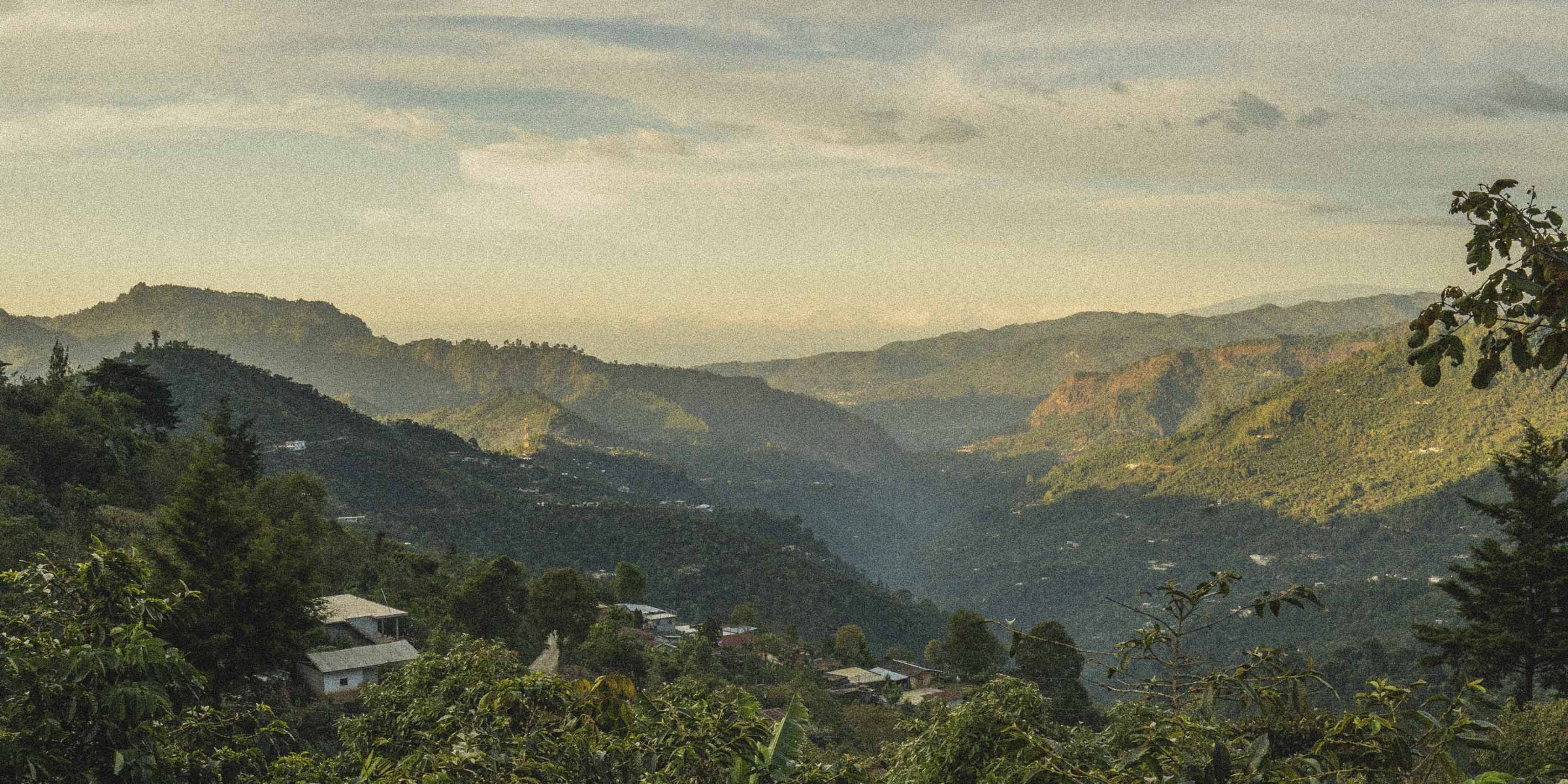
When you think of Guatemala, you might picture ancient Mayan ruins or colorful highland markets. But walking through Don Aurielio's farm at Punta Del Cerro last year, watching him examine every branch like he was reading a story only he could understand, we realized Guatemala's coffee excellence isn't about following trends—it's about generations of knowledge passed down through whispered conversations at dawn. What we wanted to know is how a country that's been growing coffee since the 1850s stays relevant when everyone's chasing the next new origin. What we learned is that Guatemala doesn't need to chase anything. Whether it's volcanic soil that's been enriched for centuries, or families who've been selecting the best plants for five generations, or producers who still hand-turn their drying coffee every 45 minutes through the night, Guatemala built its reputation on consistency that newer origins are still trying to achieve.

Coffee Terroir Guide: The Balance & Complexity of Guatemalan Coffee