

Coffee Terroir Overview •
Read our Terroir article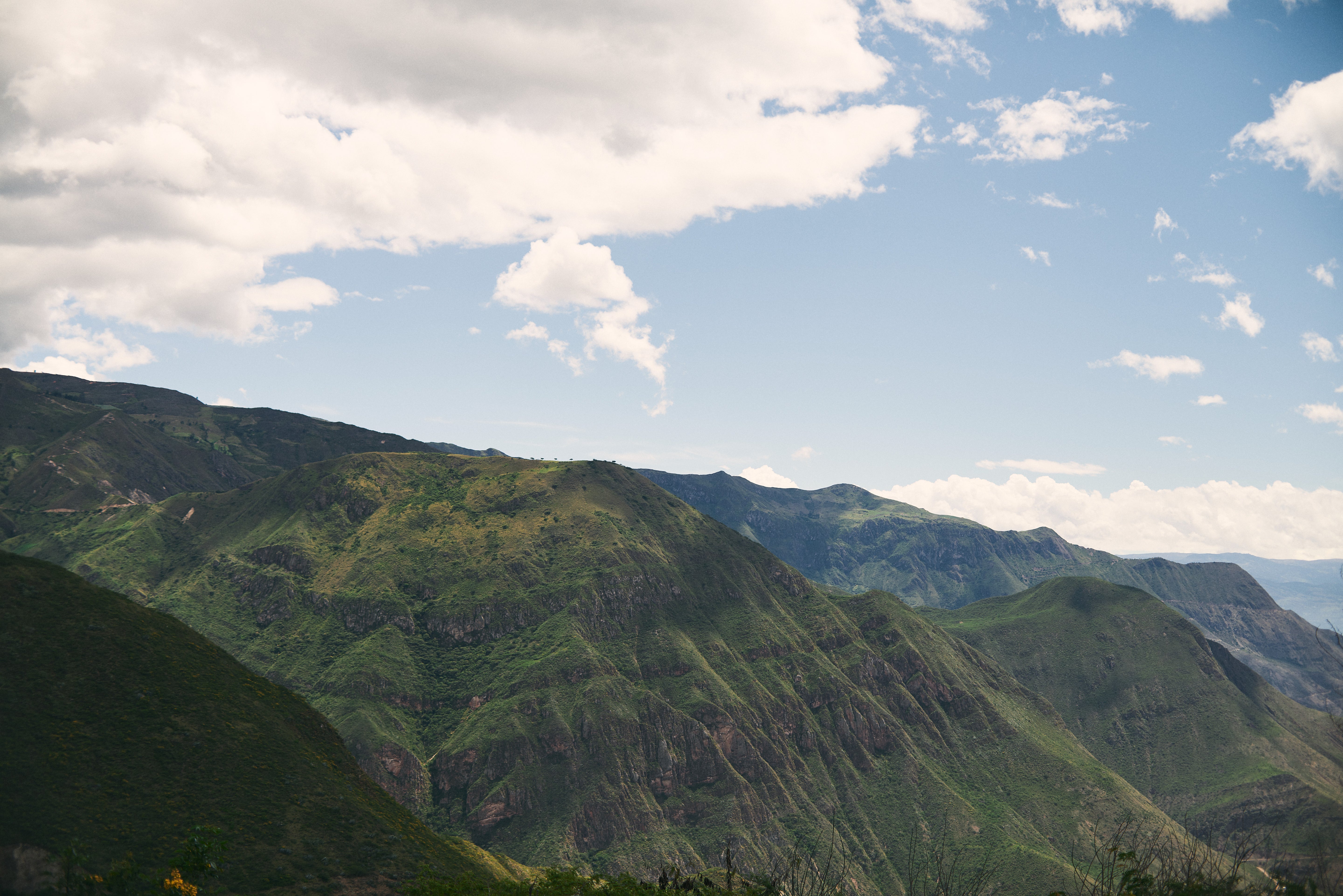
Coffee Terroir Guide: 200 Years of Coffee in Ecuador's Southern Highlands
When you think of Ecuador, you might picture the Galápagos Islands or the equator line running through Quito. But the country's southern highlands tell a different story. Loja Province has been growing coffee since 1820, making it one of the oldest coffee-growing regions in the Americas. What we wanted to know is how a place most people have never heard of keeps producing coffees that win national competitions. What we learned is that Loja's producers never stopped caring, even when the rest of the world wasn't paying attention.
A Brief History of Ecuadorian Coffee
Coffee arrived in Ecuador in the early 19th century, brought by Spanish colonists and planted in the southern highlands. The crop found a natural home in Loja Province, where high altitudes, temperate climate, and rich volcanic soil created ideal growing conditions.
For most of the 20th century, Ecuador focused on volume. The country hit peak production in the 1980s, exporting over 2 million bags annually. But as oil became the dominant export and global coffee prices crashed, production collapsed. By 2021, Ecuador was down to just 260,000 bags, less than 1% of the world's coffee.
But here's where it gets interesting.
The families who stayed in coffee got serious about quality. When Ecuador launched its first Cup of Excellence competition in 2021, the results surprised everyone. Loja Province dominated, taking 61% of the winning spots. Local competitions like Taza Dorada and "Lo Mejor de Loja" have since motivated even more producers to push quality higher.
But the foundation was already there. These families didn't pivot to specialty coffee. They'd been growing it all along. They just finally had a stage.
The Varieties: Typica Criollo and Sidra
So what makes Loja coffee taste the way it does? A big part of it comes down to what's planted in the ground.
When coffee first came to the Americas centuries ago, it came as Typica, one of the original Arabica varieties. Over time, most regions replaced these old plants with higher-yielding hybrids. But in Loja? Many families held onto their original strains.
These are known as "Criollo" varieties, meaning they've adapted to their specific environment over generations. Loja's Typica Criollo has been growing in these mountains for over 200 years. The plants yield less than modern varieties, but the cup quality is distinct: sweet, complex, with hints of raw sugarcane and spice you don't get from newer cultivars.
It's increasingly rare to find coffee like this. Most of the world moved on. Loja didn't.
But tradition doesn't mean standing still. Some producers are now planting Sidra, a variety that originated at a Nestlé breeding facility in Ecuador's Pichincha region. Sidra is believed to be a hybrid of Ethiopian heirloom varieties and Bourbon or Typica. It's become famous on the competition circuit, used by multiple World Barista Champions for its floral aromatics and fruit-forward sweetness.
The combination of centuries-old Typica Criollo and cutting-edge Sidra tells you everything about where Ecuadorian coffee is headed: honoring what came before while reaching for what's next.
Why We Love Ecuador
Ecuador is special to us because it represents what happens when heritage meets opportunity.
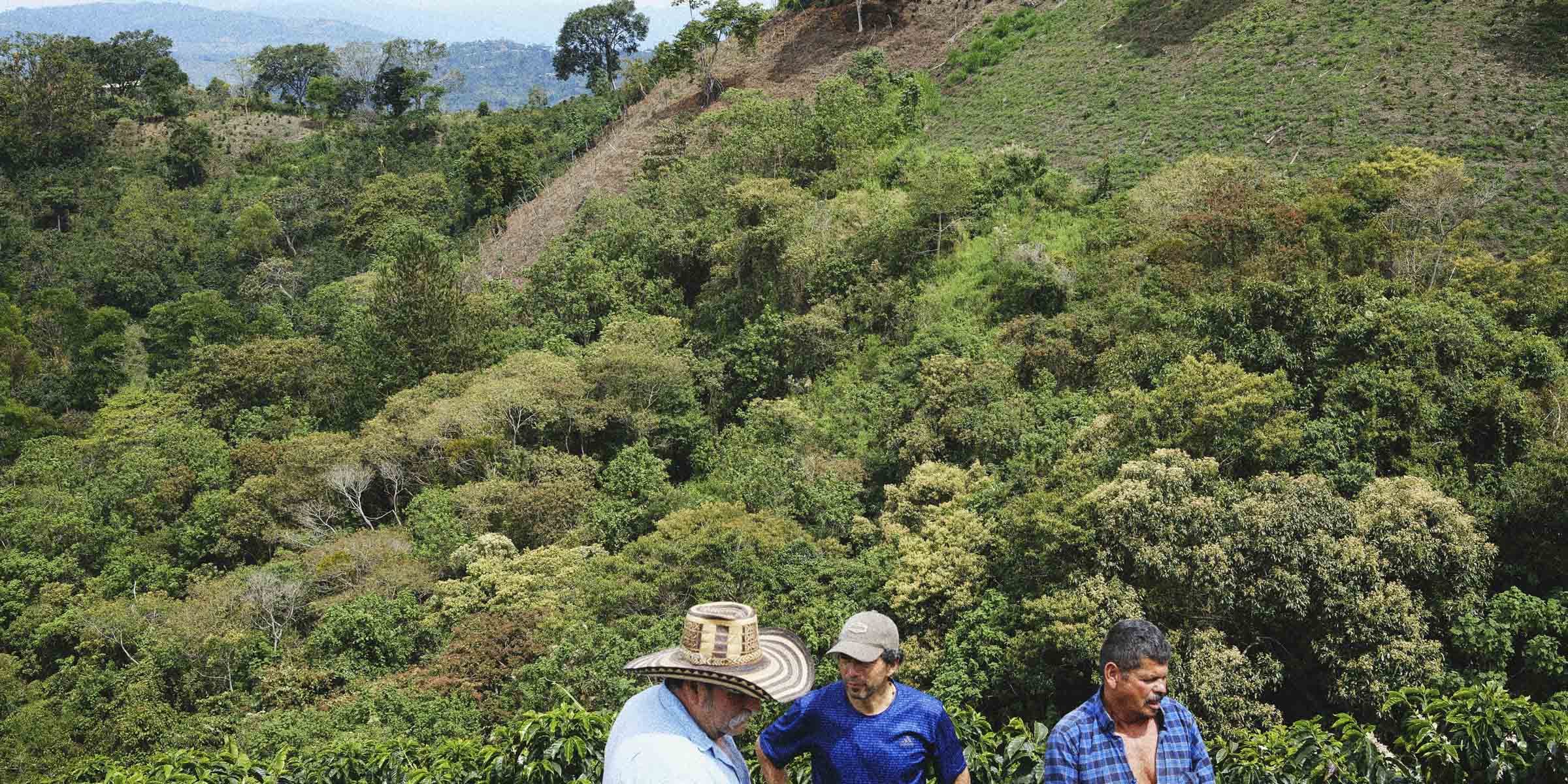
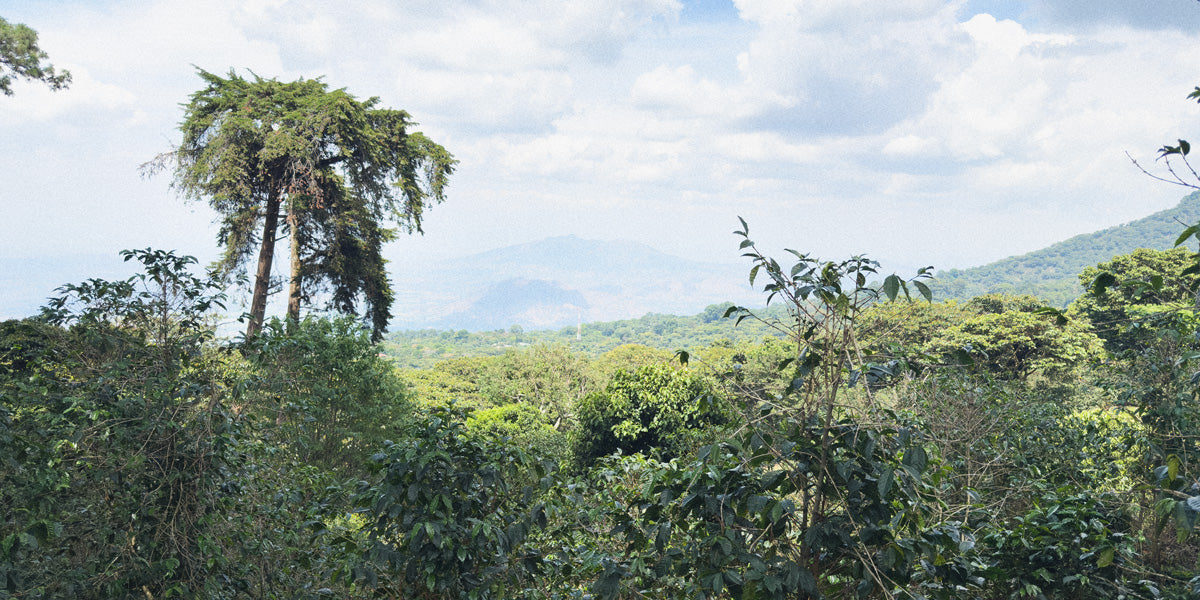
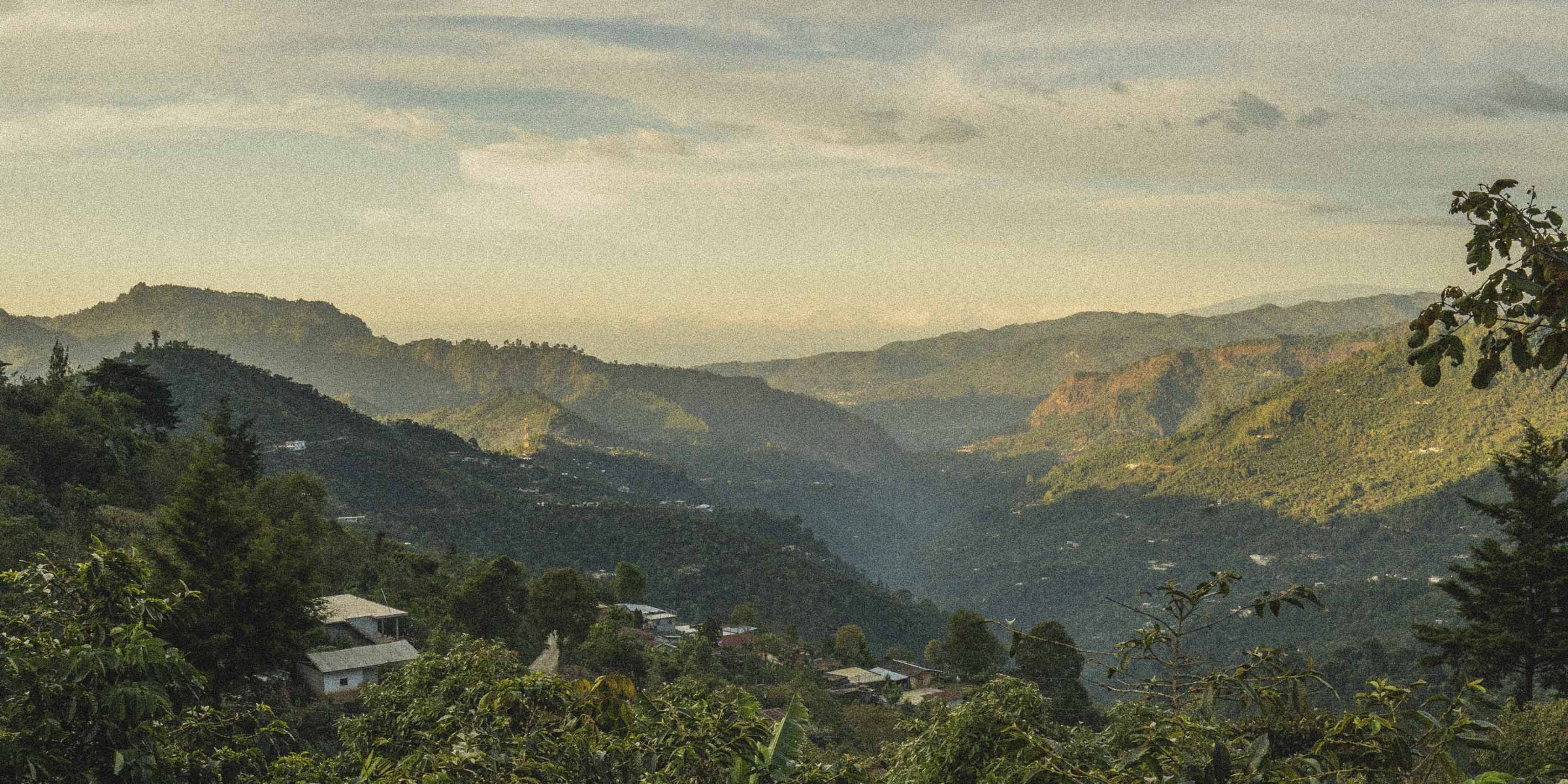
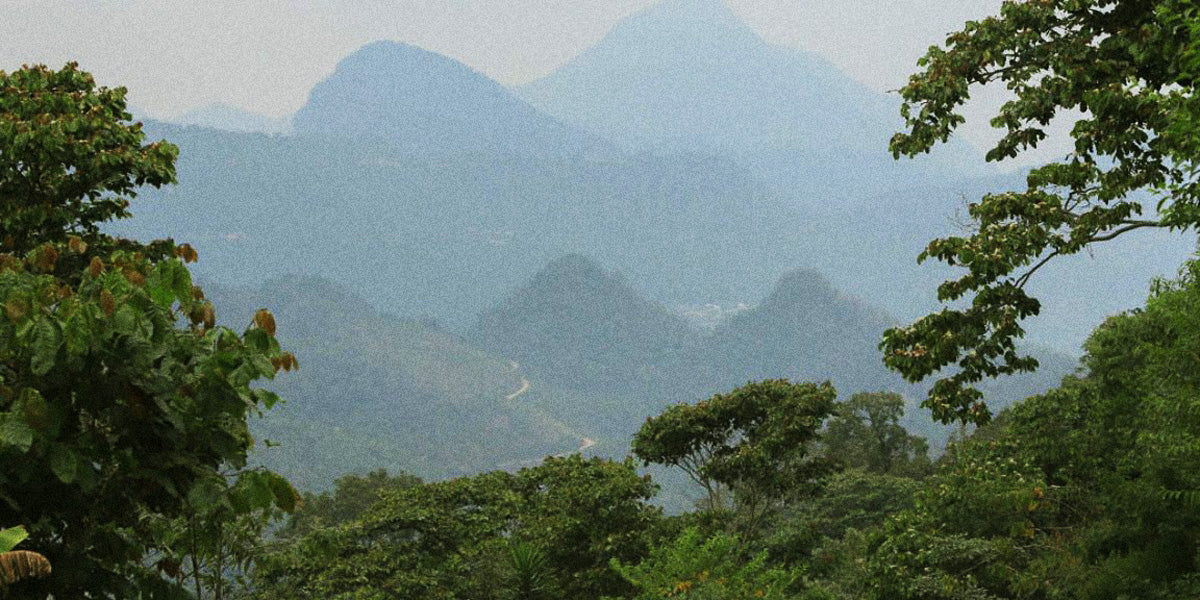
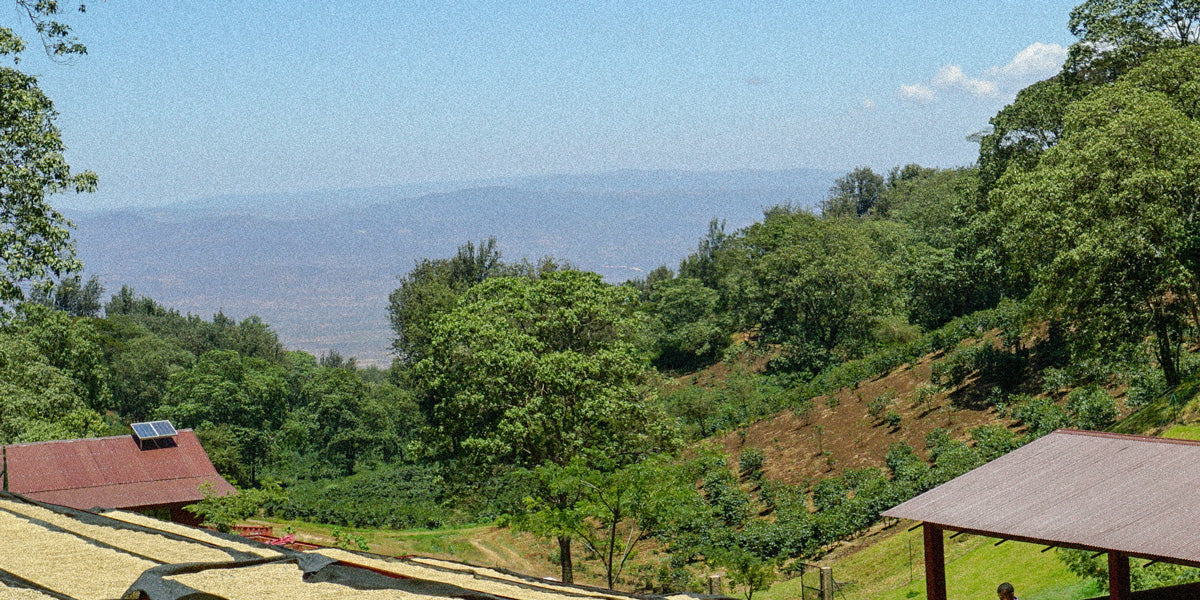
Loja Province sits at the southern tip of the Ecuadorian Andes, right where the country meets Peru. The terrain is dramatic: the mountains act as an ecological bridge between the Amazon basin to the east and the coastal desert to the west. This creates a patchwork of microclimates across cloud forest, humid valleys, and dry highland ridges. The result is coffee with a character you simply cannot replicate anywhere else.
Within Loja, the canton of Sozoranga has gained particular recognition. This small agricultural community sits between plateaus and ridges, with a dry climate that creates ideal conditions for slow cherry development.
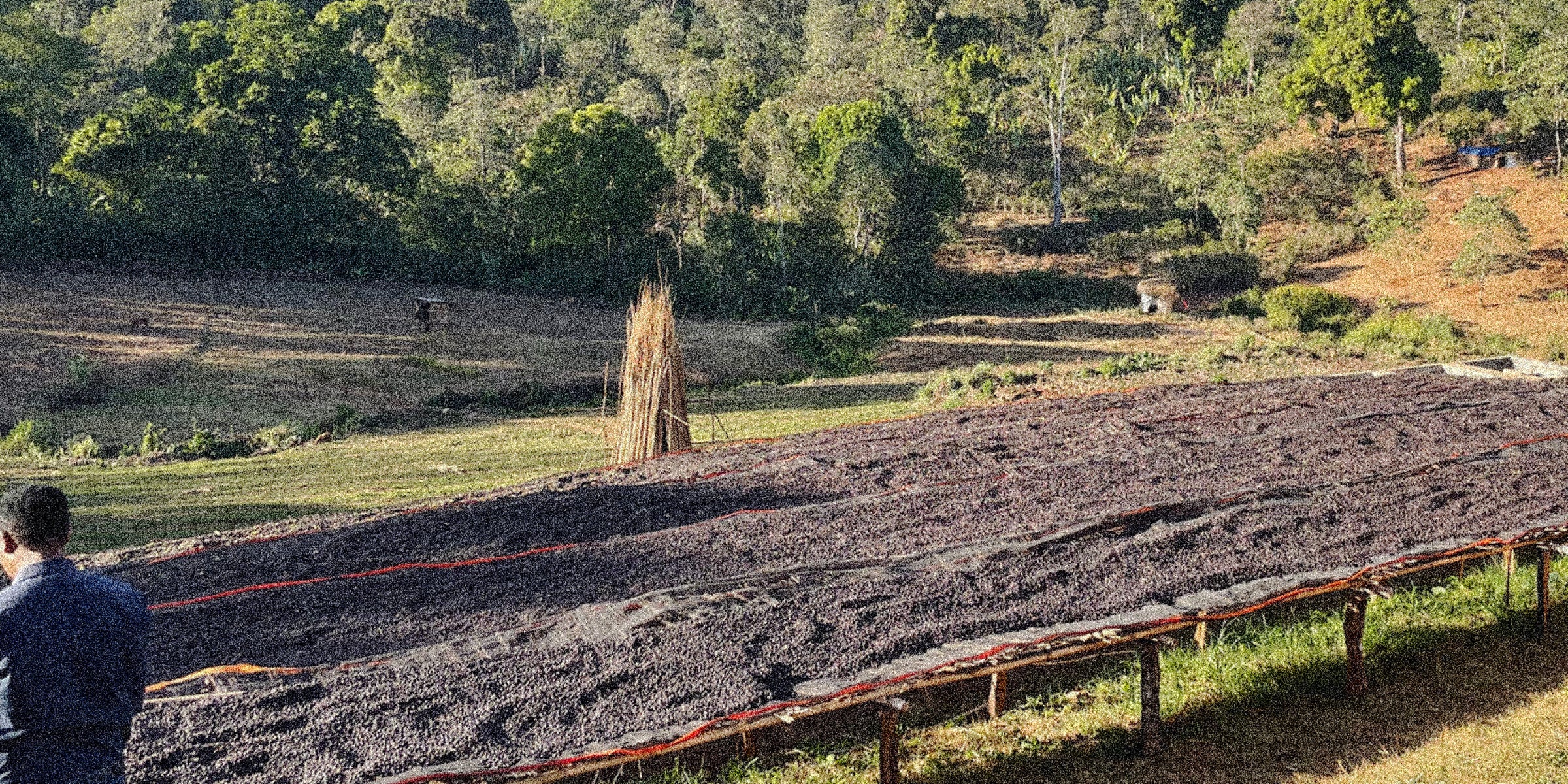
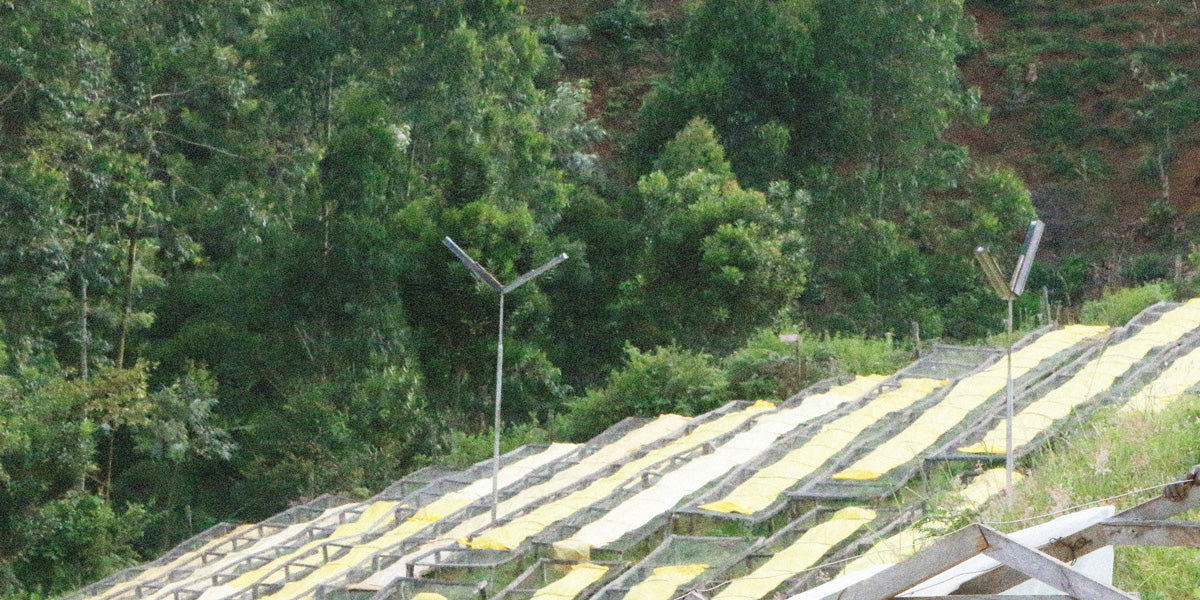
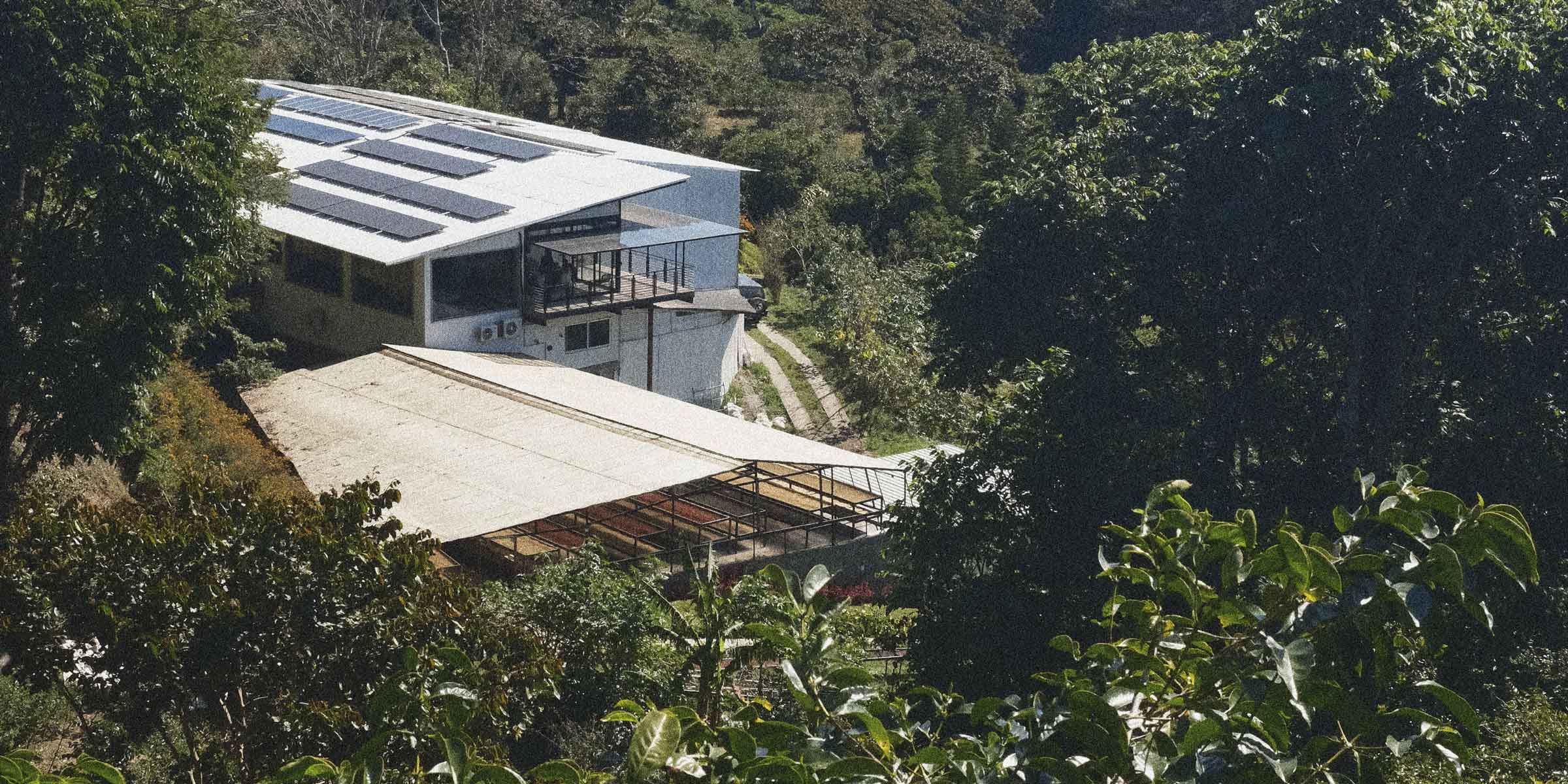
Take the Jumbo family. The first generation planted a small plot of Typica Criollo, maintaining it through decades when no one was buying specialty. Now July, the second generation, is building on that foundation. He sourced Sidra seeds from Pichincha and carried out the germination himself. In 2024, the family introduced on-farm post-harvest processing for the first time, including anaerobic fermentation.
They're not abandoning what their parents built. They're adding to it.
When we think about Ecuadorian coffee, we see families like the Jumbos. People who kept farming through the hard years, who maintained heirloom varieties when everyone else was chasing yield, and who are now showing the world what Loja coffee can be.
What we spend a matter of minutes roasting and brewing, they labor to grow for years. We're really just trying to not mess up all of the work done before us.
Explore Coffees

Detailed Country of Origin Articles