

Quick Guide

What is this coffee?

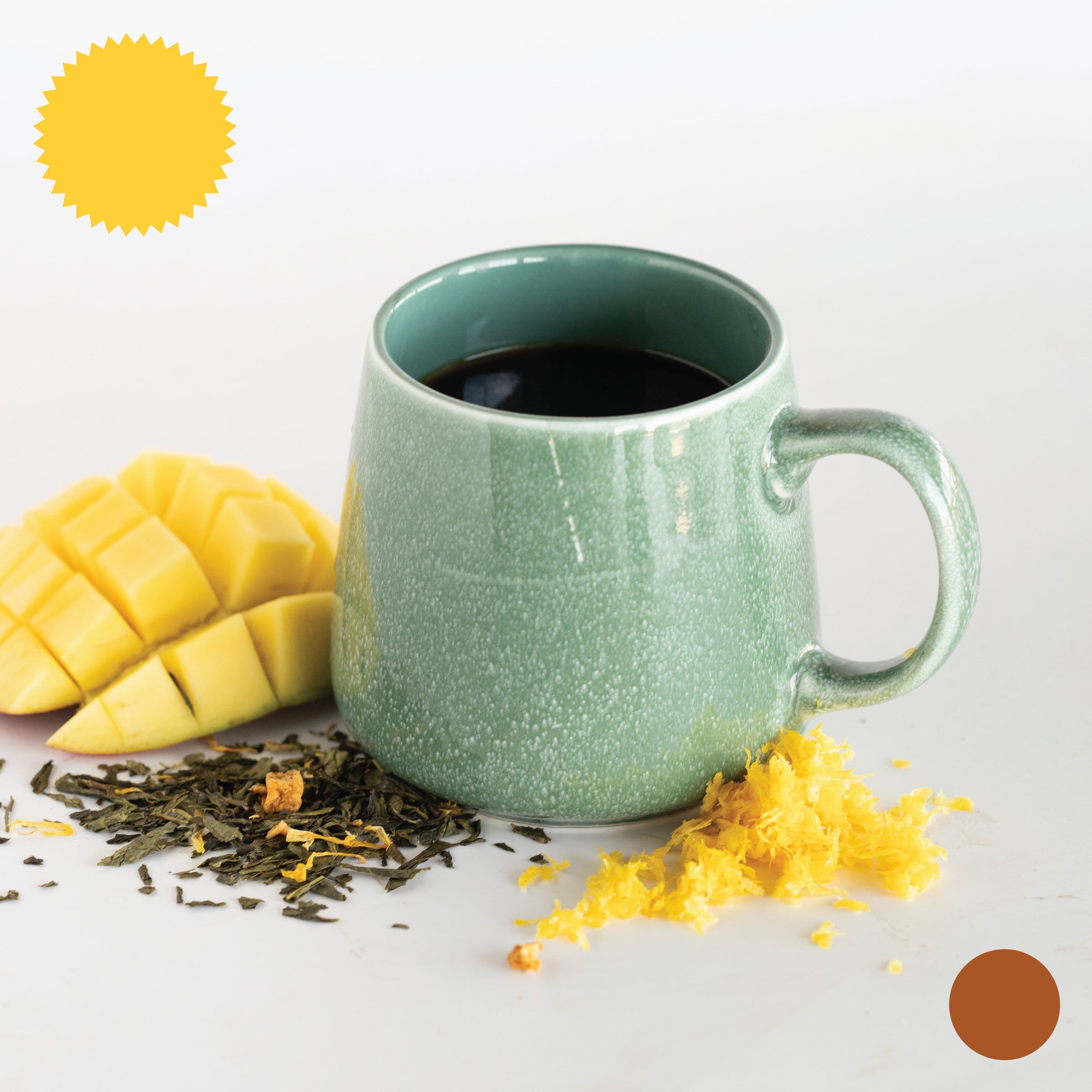
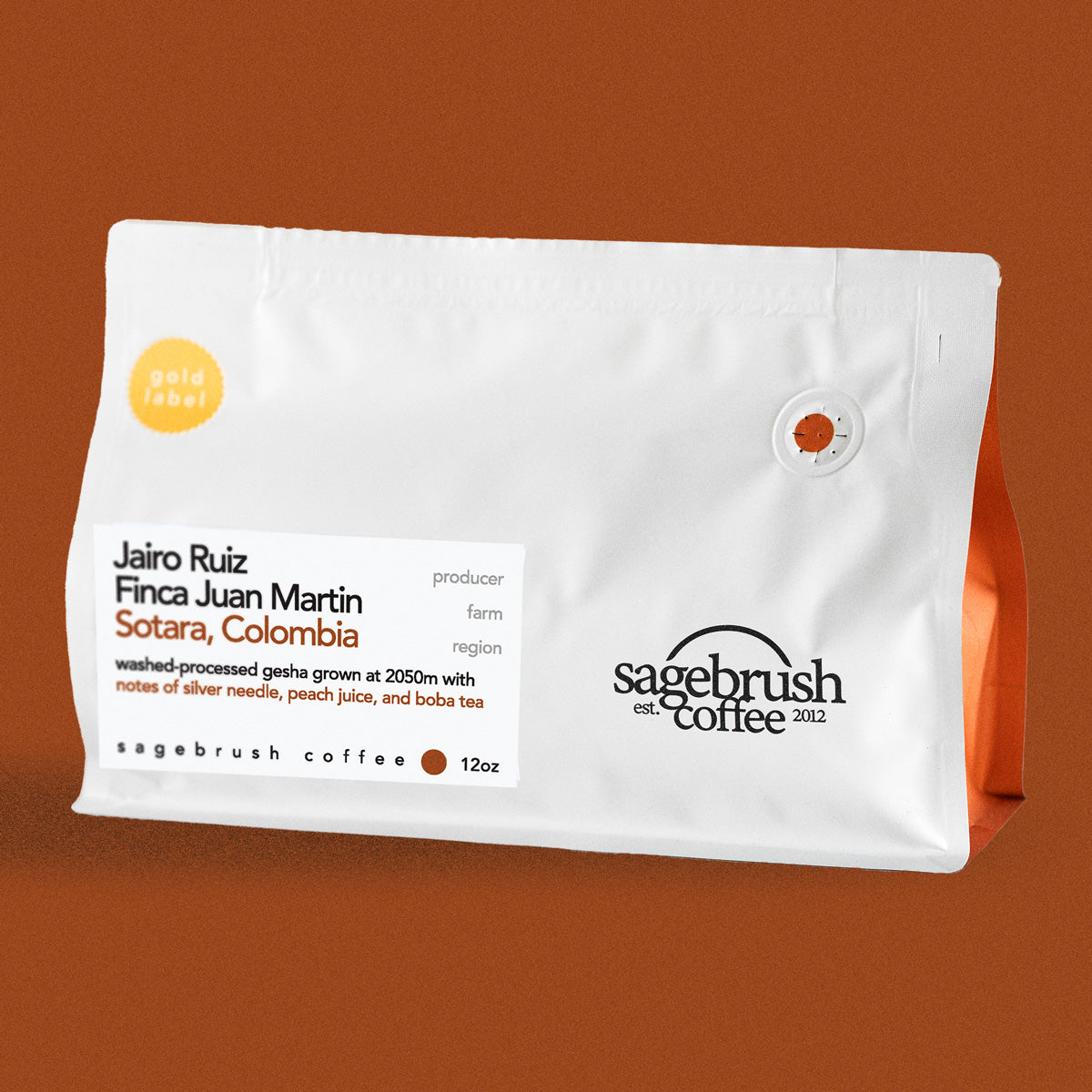
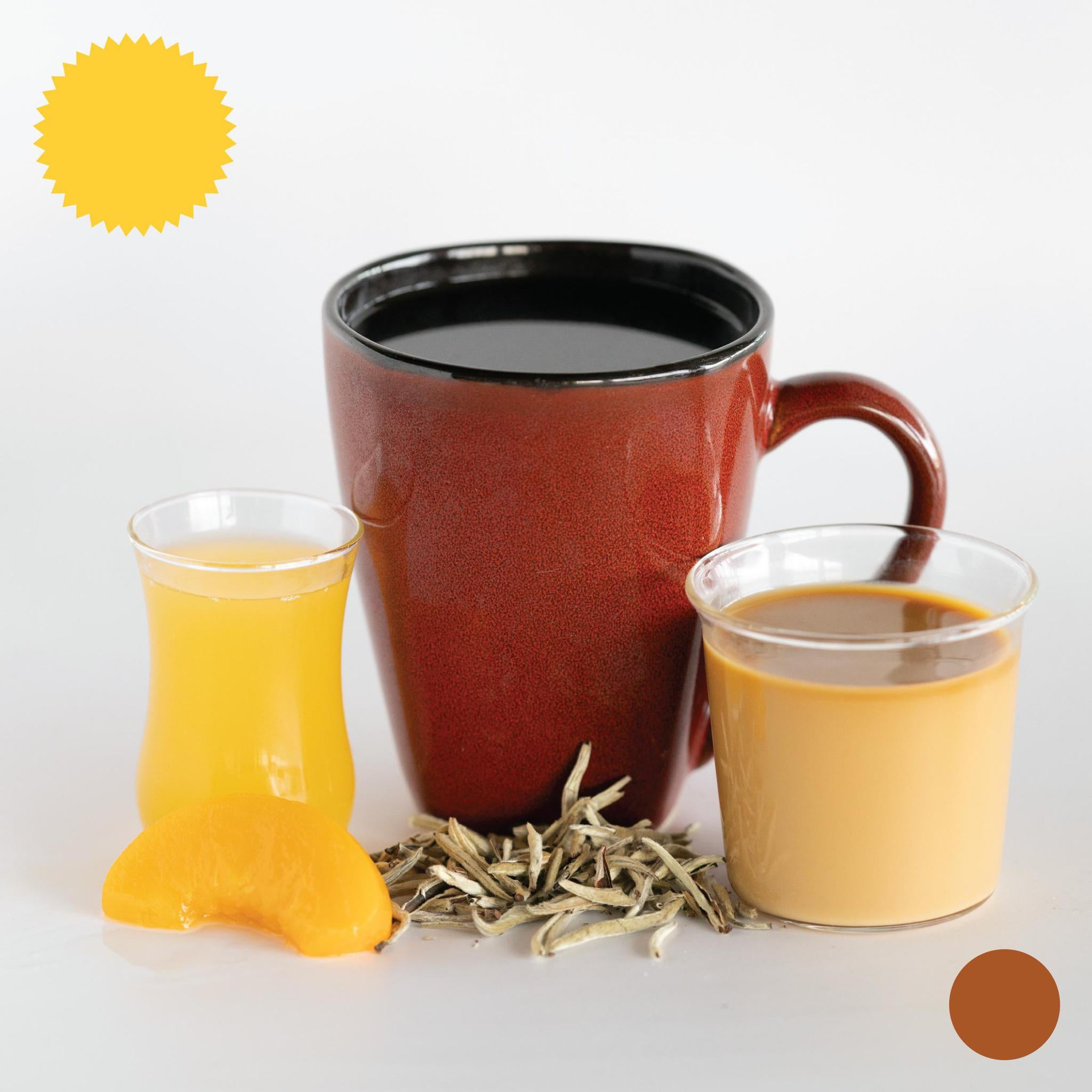
Jairo is a baller. We’ve interacted with him on multiple occasions and it’s always easy conversation. There’s plenty to talk about regarding Jairo, but it always circles back to the excellent coffees that he’s bringing out of Finca Juan Martin. This coffee is a delicious Gesha with loads of complexity. What I find is that the majority of Geshas out of Colombia tend to be less floral and more herbaceous and tea-esque; I feel like this bean really embodies those characteristics. A nice complex cup with lots of tea-like touches and faint stone fruit sweetness. We had this on our pour over bar for a while and it was excellent. We even put it on espresso for a bit and it was super tasty there too. This coffee overall is very versatile and works in any context you put it in. 

-Jonathan

Processing Method

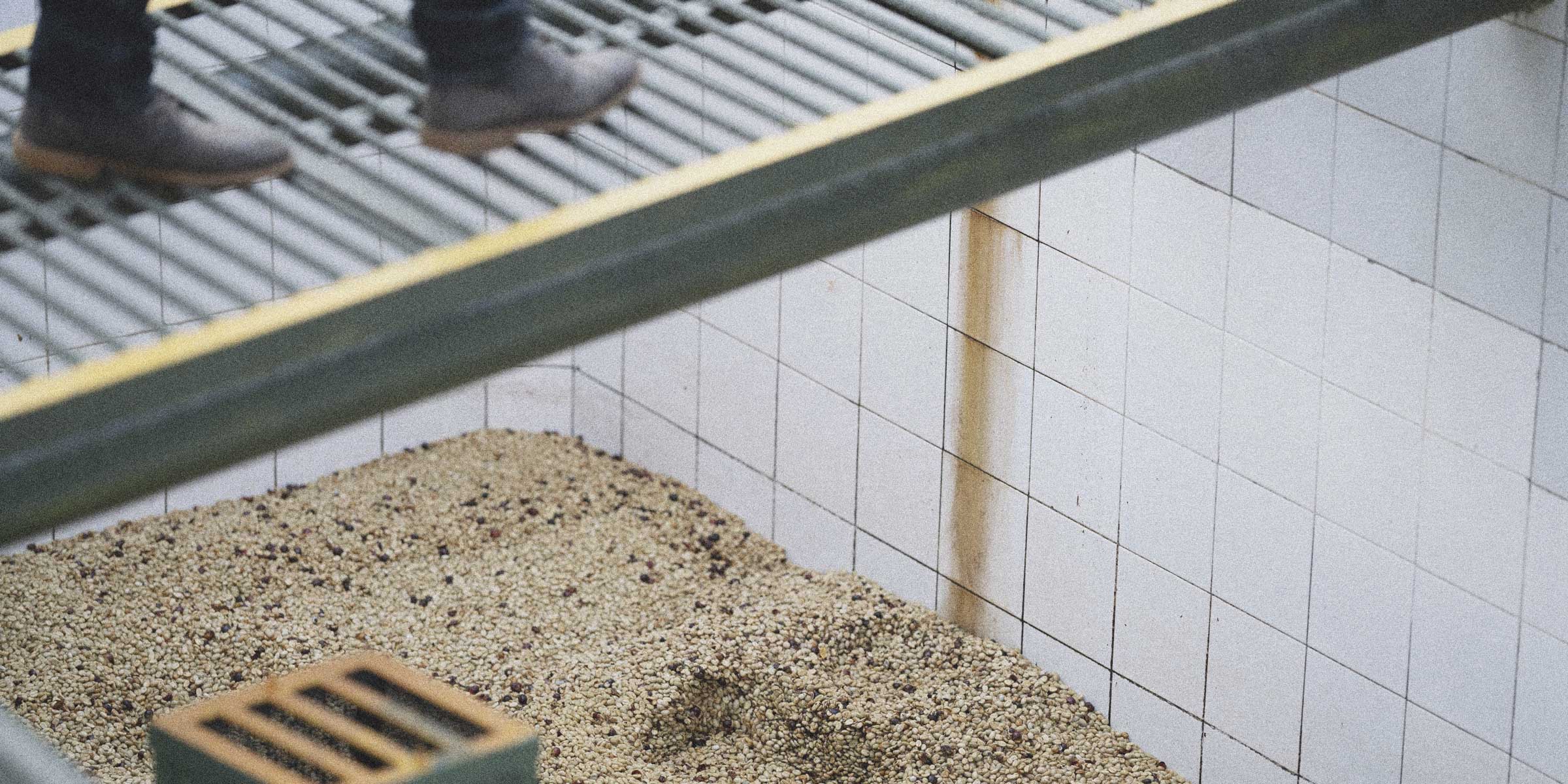
Washed Process- Washed processing is coffee's most common and reliable method. Through depulping, controlled fermentation, and thorough rinsing, this water-intensive process minimizes variables to produce clean, bright cups that showcase origin characteristics and variety.

Country

Colombia- Colombia exports over 12 million bags annually, making it the world's third largest specialty coffee producer. Perfect climate, mountainous terrain, and numerous microclimates create incredibly versatile coffee, from bold chocolate notes to bright fruity profiles, with smooth, balanced flavor.

Altitude

2050masl - Altitude is typically correlative to the potential complexity of a coffee bean. The higher in altitude the coffee is grown, the denser the bean will be, resulting in a more dynamic cupping experience.

Classification

Gold Label- Gold label coffees represent the most of what Sagebrush's mission is: direct relationships, readily available, reasonable mid-tier pricing, and an excellent cup profile. This is our company standard, the coffees we're drinking on a daily basis here at the shop.

Variety(s)

Gesha

All about the coffee
Meet Jairo Ruiz

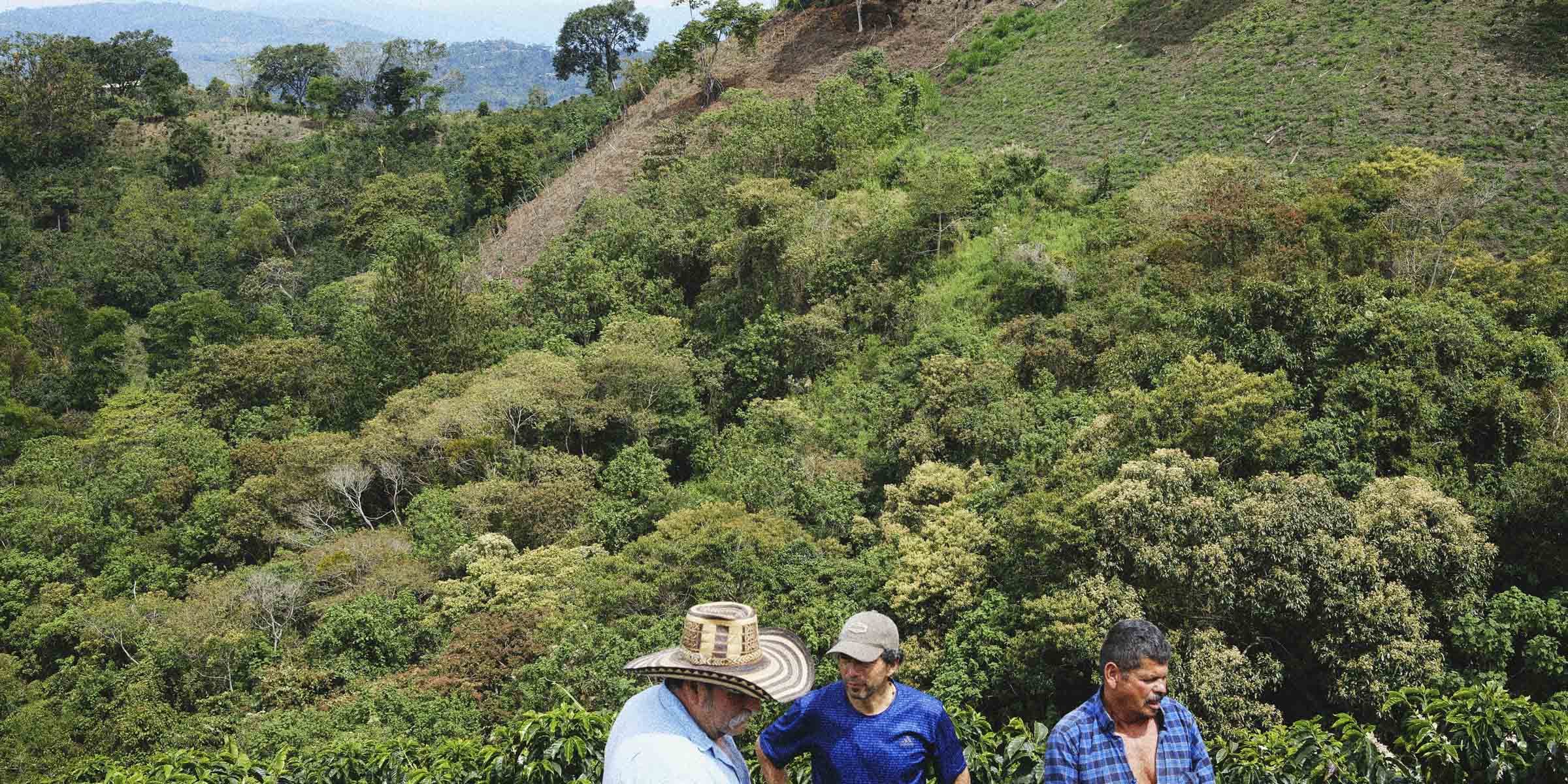
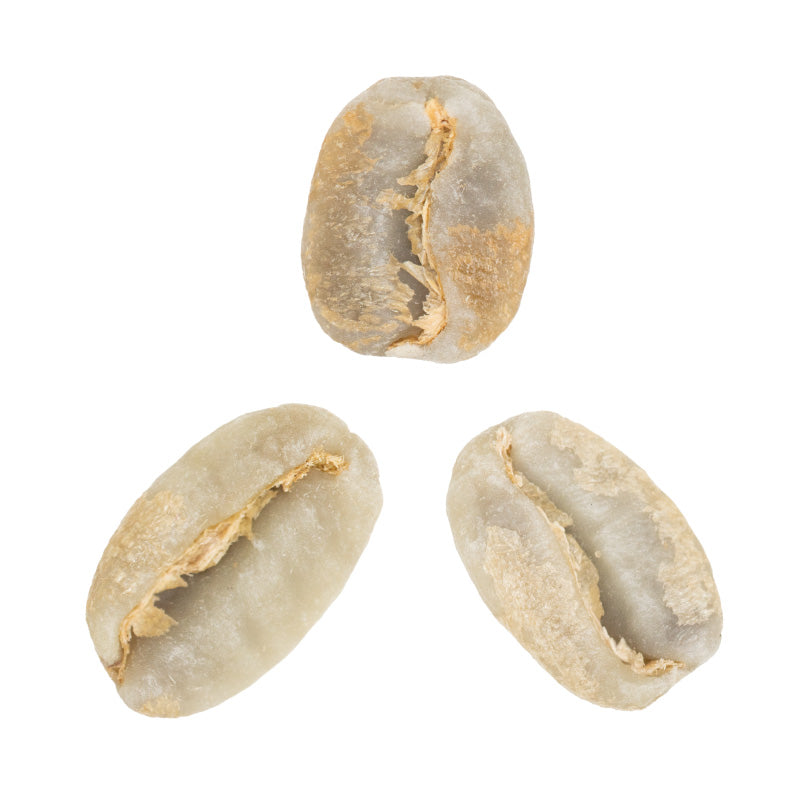
Jairo Ruiz and his team at Finca Juan Martin in Sotara, Cauca, are redefining specialty coffee through experimentation and education. This 29-hectare farm serves as both a production hub and learning center for Colombian producers seeking to improve their craft.

Learn More About Jairo Ruiz

Gesha

Every industry has its "before and after" moment. Movies had Star Wars. Basketball had Michael Jordan. Smartphones had the iPhone.

For specialty coffee, that moment was 2004—the year Gesha changed everything.

When Hacienda La Esmeralda's Gesha stunned judges at the Best of Panama auction with its unprecedented floral notes and jasmine-like aromatics, it didn't just win. It revolutionized what people believed coffee could be.

Gesha Coffee Variety Profile: A Complete Guide

Washed Process

In the washed process, a machine removes the cherries’ skin and pulp, and the remaining beans are left to ferment in water. It’s by far the most common way coffee is processed—but makes this method so popular?

Washed Process

Colombia

The country of Colombia (not Col-um-bia) boasts some pretty extraordinary claims to fame.

It is the world’s leading exporter of emeralds–exporting 70-90% of the world’s supply. It is the world's second most biodiverse country–with more species of bird than in Europe and North America combined. It has the world's tallest palm trees (up to 200 feet tall!) and the world’s most colorful “rainbow” river (Caño Cristales).

It is also the third largest producer of specialty coffee in the world, preceded only by Brazil and Vietnam. But it didn’t arrive at that place overnight.

Coffee Terroir Guide: Colombia's Versatility & Complexity