
One of the most common questions that I receive is, “Do you have any espresso beans?” Or, worded another way, “Why aren’t any of your beans for espresso?” The answer to those questions is simply, “no.” That simple answer is because “espresso beans” are not really a thing. There are many misconceptions when it comes to espresso beans. The first is that they are a particular type of bean, and the second is that they are accomplished through a specific roasting technique. Both of these ideas are false. A coffee bean is a coffee bean no matter what other label is associated with it. An exceptional espresso bean is one that compliments the brewing method of espresso. Keep reading to learn more about picking coffee for espresso, or watch the video below:
The Meaning of Espresso Brewing
Every coffee shop on this planet has the option of espresso on their menu. This can mean straight up espresso, a latte, cappuccino, flat white, etc. Most likely, you have had the taste of espresso before. But what is espresso, and how is it different from a regular cup of coffee? Pulling an espresso shot and brewing coffee from a drip coffee maker are two very different brewing methods. For example, one technique uses water temperature and time to extract flavor from the coffee grounds. The other way primarily uses pressure (along with water temperature) to extract flavor from the beans. The sound you often hear at a coffee shop is the espresso machine applying pressure to the coffee grounds and pulling the shot. This all takes place in twenty seconds, give or take, which is not a lot of time compared to a coffee pot that takes around four minutes to complete a brew.
The pressure is the main difference between the two conventional brewing methods. That pressure is what gives the espresso its flavor. The higher percentage of coffee ground solids explains the elevated flavor intensity highlighted in espresso. When the pressure is applied, only about one-and-a-half ounces of liquid coffee comes out. This compacts the flavor and makes the taste of espresso much more potent than a standard cup of coffee. For that reason, it is common to add milk (lattes), water (Americanos), or cream (cortados) to balance out the espresso. This intense flavor profile of espresso will draw the consumer to think more about what they want their espresso to taste like.
How to Pick the Right Coffee Bean for Espresso
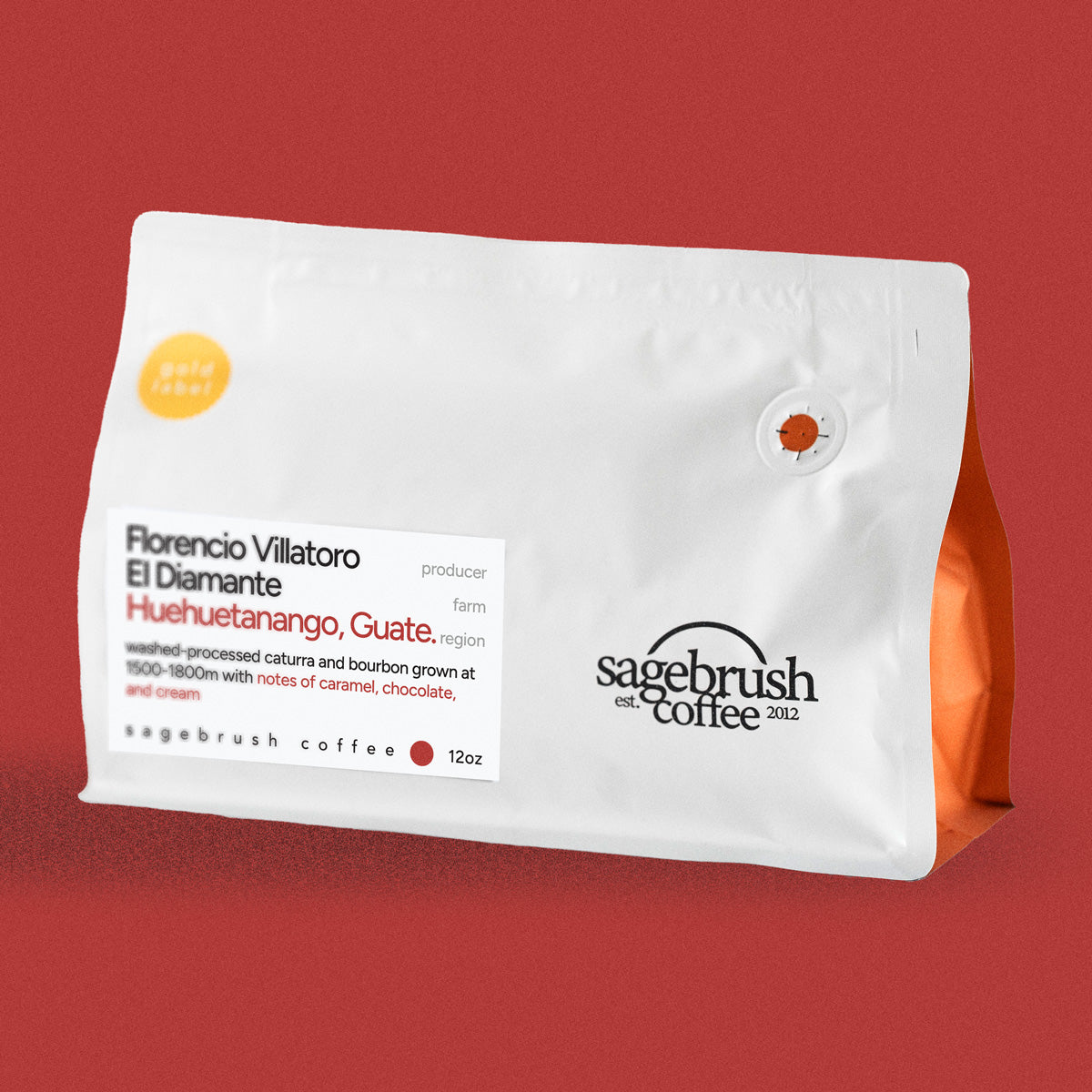
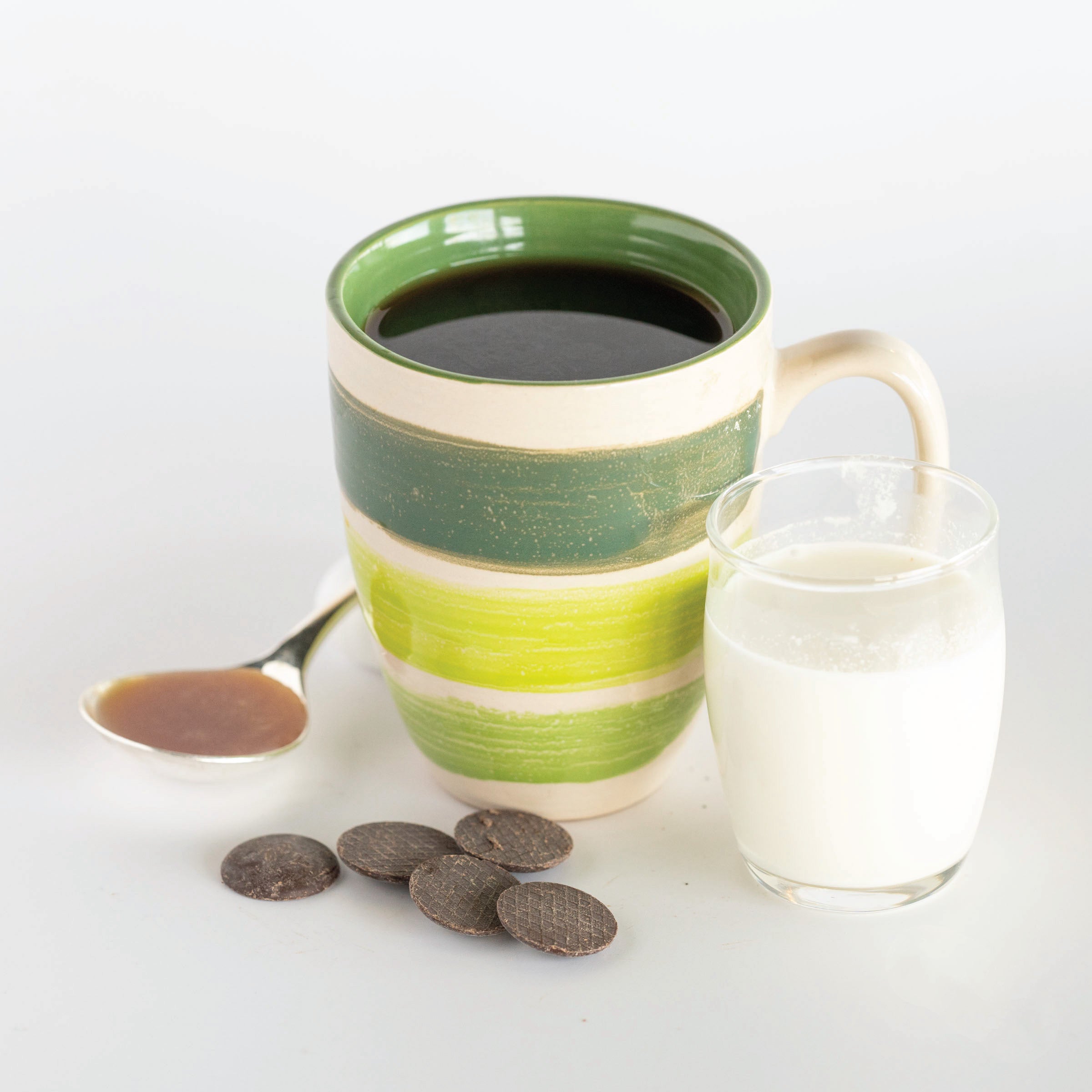
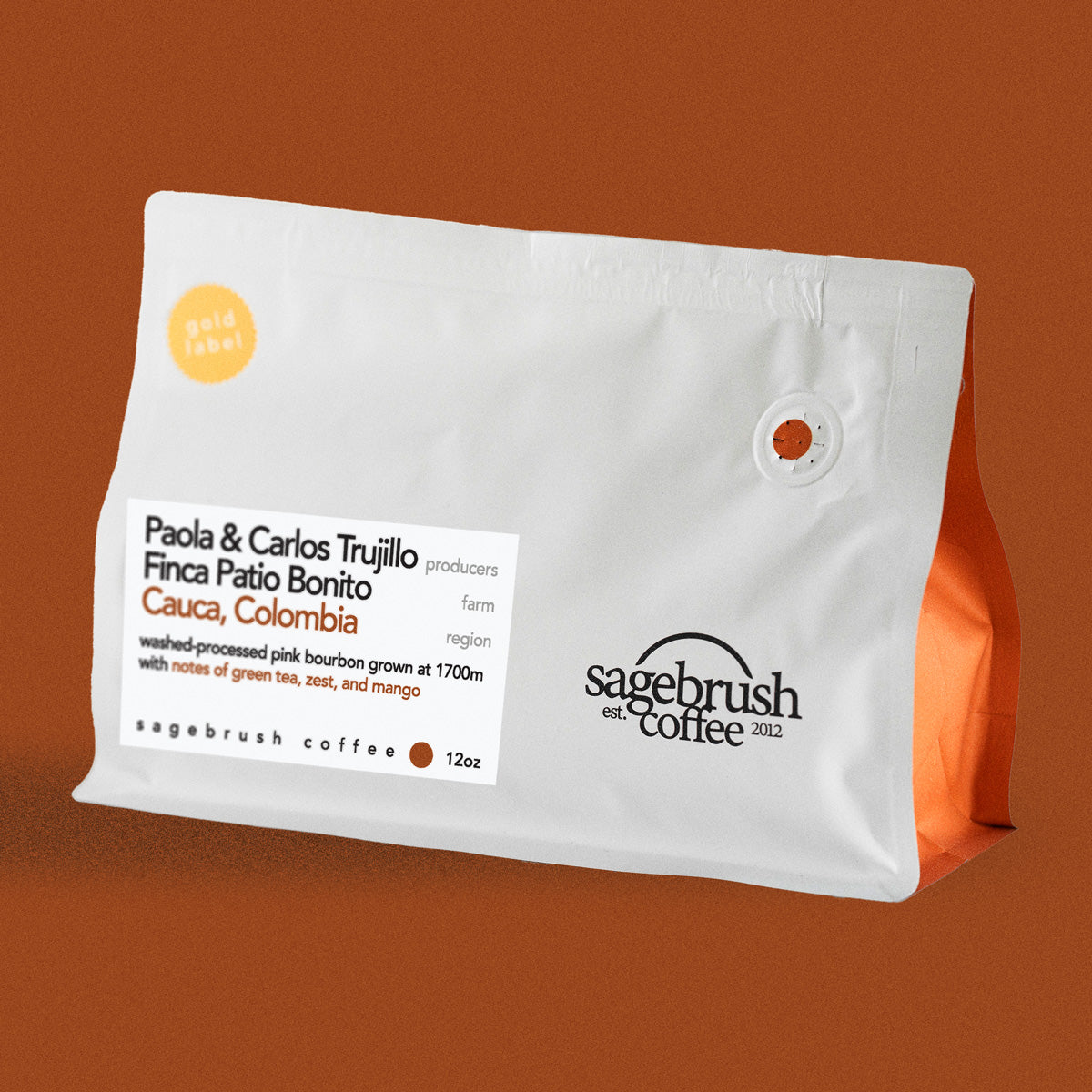
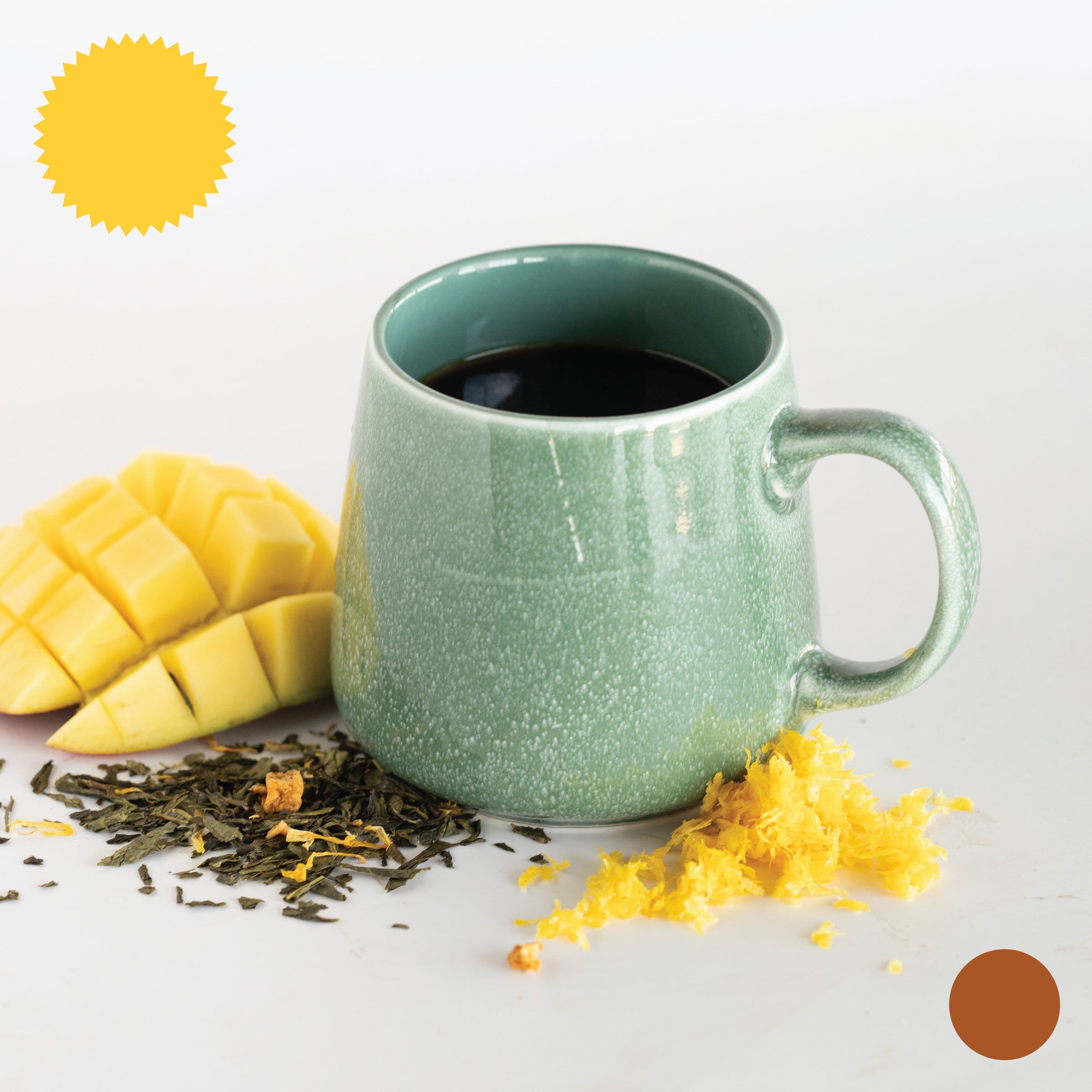
There is an abundance of flavor in espresso. On our website, we have flavor notes and pictures that help describe each of our coffees’ taste profile. Those flavor descriptors run the gamut of every brewing method, whether it is drip, espresso, or anywhere in between. With espresso there are distinct flavors that come out of an espresso shot that will stand out versus any other type of brewing technique. The highlighted characteristics in espresso are bitterness, acidity, and richness. When you pick out a coffee, you want to think about those flavor characteristics, and how the beans themselves play into that. When you think of bitterness, it is common to think of something that tastes harsh or pungent. However, with coffee bitterness is essential, and you actually want some balanced bitterness in your coffee. Acidity is another word to describe the sourness of coffee. Espresso will always taste more sour because of the acidity it pulls from the shot. Unless you like a punch of tartness in your coffee, I would not recommend picking a more acidic bean like our natural processed light roasts. Last, we have richness, which is often described as boldness or a flavor that fills your mouth. Espresso is the richest way that you can brew and drink coffee.
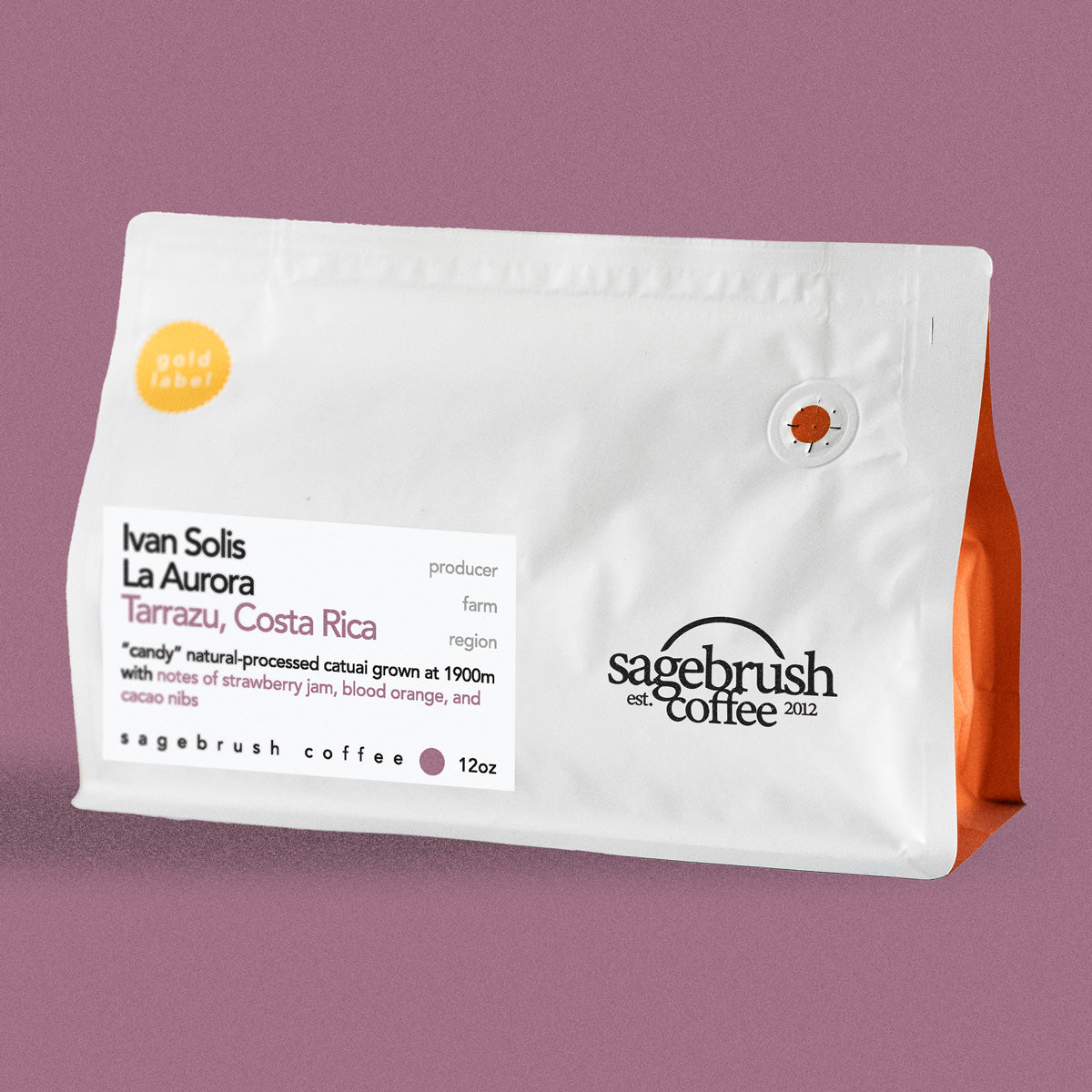
As you can see, espresso is like the “exclamation point” of brewing methods. If there is a flavor element you enjoy most from your coffee, then it is important to note that an espresso brew will enhance those flavor elements tenfold. Luckily, many roasters will do the work of picking beans for you and describe some of their coffees as “espresso beans.” These roasters have examined the bitterness, acidity, and richness, and will pick the coffees they believe will shine as espresso. This marketing tool is similar to our Black and Gold labels and is used to help customers understand what they are buying. In Sagebrush’s history, we have had select coffees listed as espresso beans, and I ultimately found it unhelpful. The problem with using this “espresso” descriptor is that it pigeonholes our coffees. There can be a coffee that we offer as an espresso bean, but it can be just as phenomenal brewed with a Chemex. For that reason, I have moved away from using "espresso bean" in the title. Instead, I am tagging them in our filters as a “favorite for espresso.” Those are the coffees that take into account the added flavor elements I described above when you pull an espresso shot.
Overall, espresso is just a unique and popular way to drink coffee. Our primary focus with this blog is to help you find coffee beans that will improve the taste of your espresso brew. This does not mean there are specific beans you should buy for espresso. Instead, it is about finding the consistency, body, and flavor you desire in your espresso shots and picking the beans accordingly. If you enjoy a latte, which is 80 percent milk, I would choose a coffee that is bolder and will come through the creaminess. For an Americano, which has no milk, I would stay away from highly acidic coffees. Whether you are using a $50 espresso brewer or a $5,000 machine, there are coffee flavor profiles that you want to look for to help your cup of espresso taste just as good, or better, than your neighborhood coffee shop.