

Quick Guide

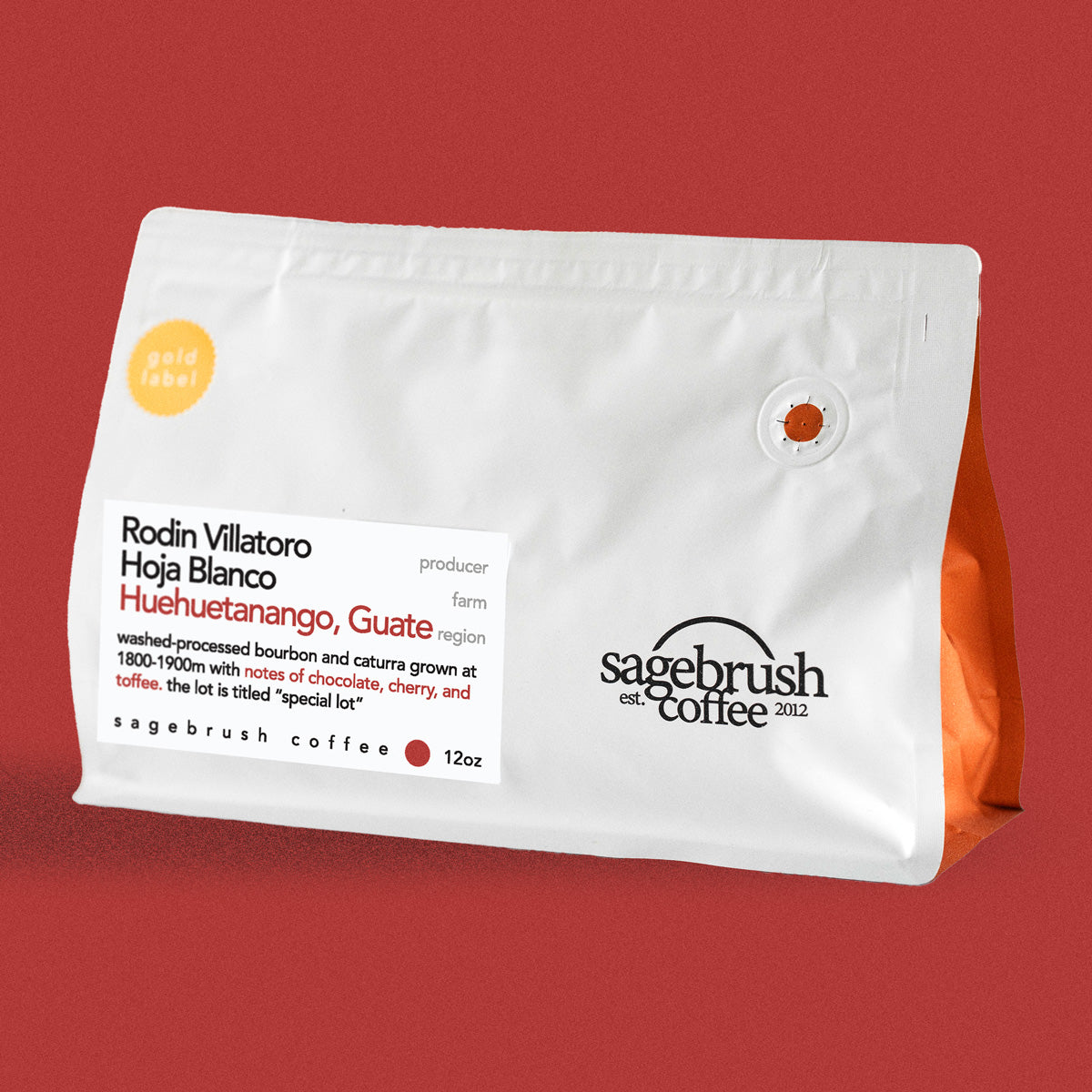
What is this coffee?

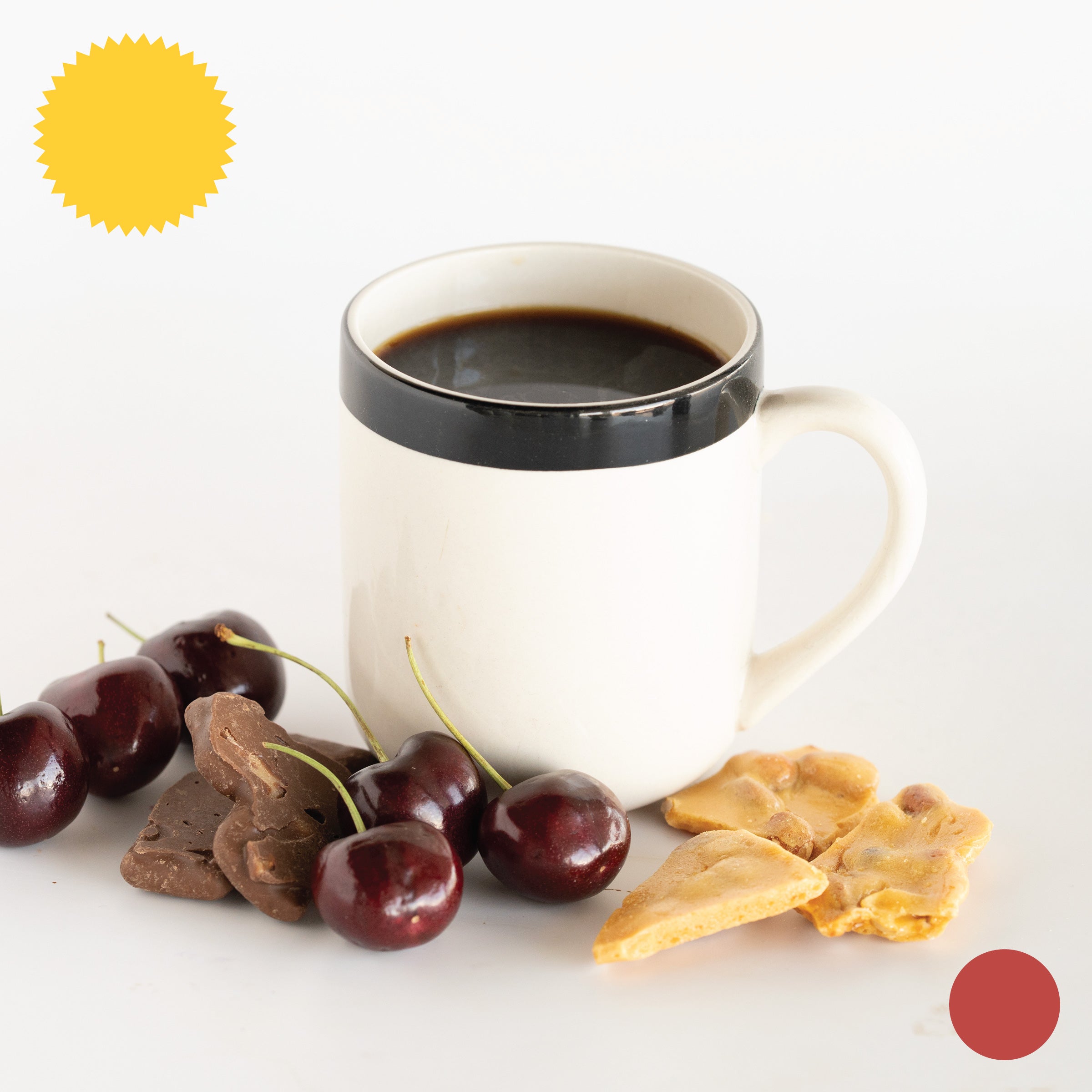
Chocolate - An excellent presentation of chocolate notes makes this coffee shine. Lots of sweetnesses and sugary touches sit in the cup alongside this otherwise rich chocolate boldness.

Toffee - Developed caramel-like sugars come together with a nutty aftertaste, very much in the same manner that toffee is.

Cherry - Sweet, red fruits with minimal to no prevalent acidity come up in this cup. We definitely feel cherry helps hone in this idea.

Processing Method

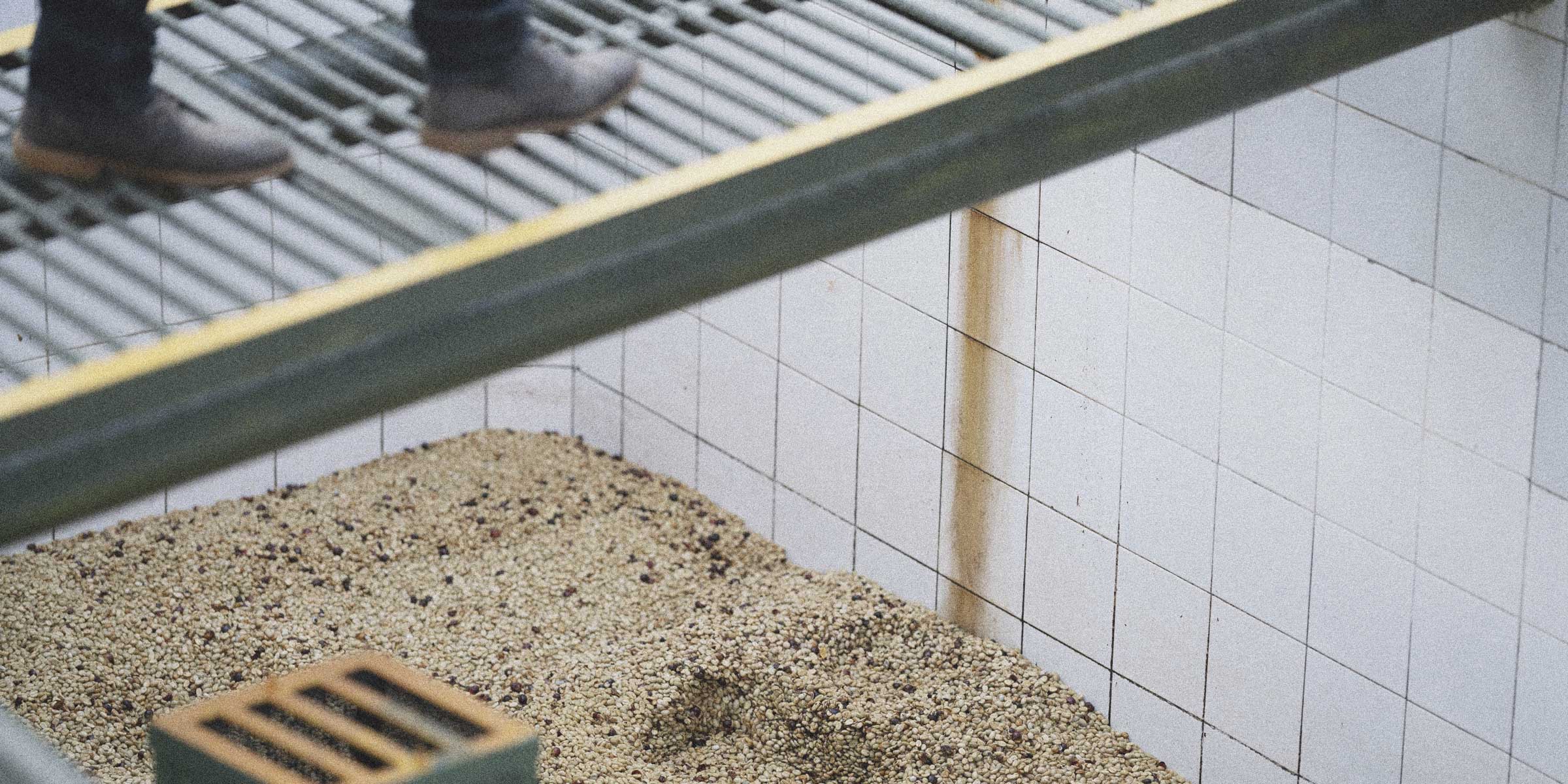
Washed Process- Washed processing is coffee's most common and reliable method. Through depulping, controlled fermentation, and thorough rinsing, this water-intensive process minimizes variables to produce clean, bright cups that showcase origin characteristics and variety.

Country

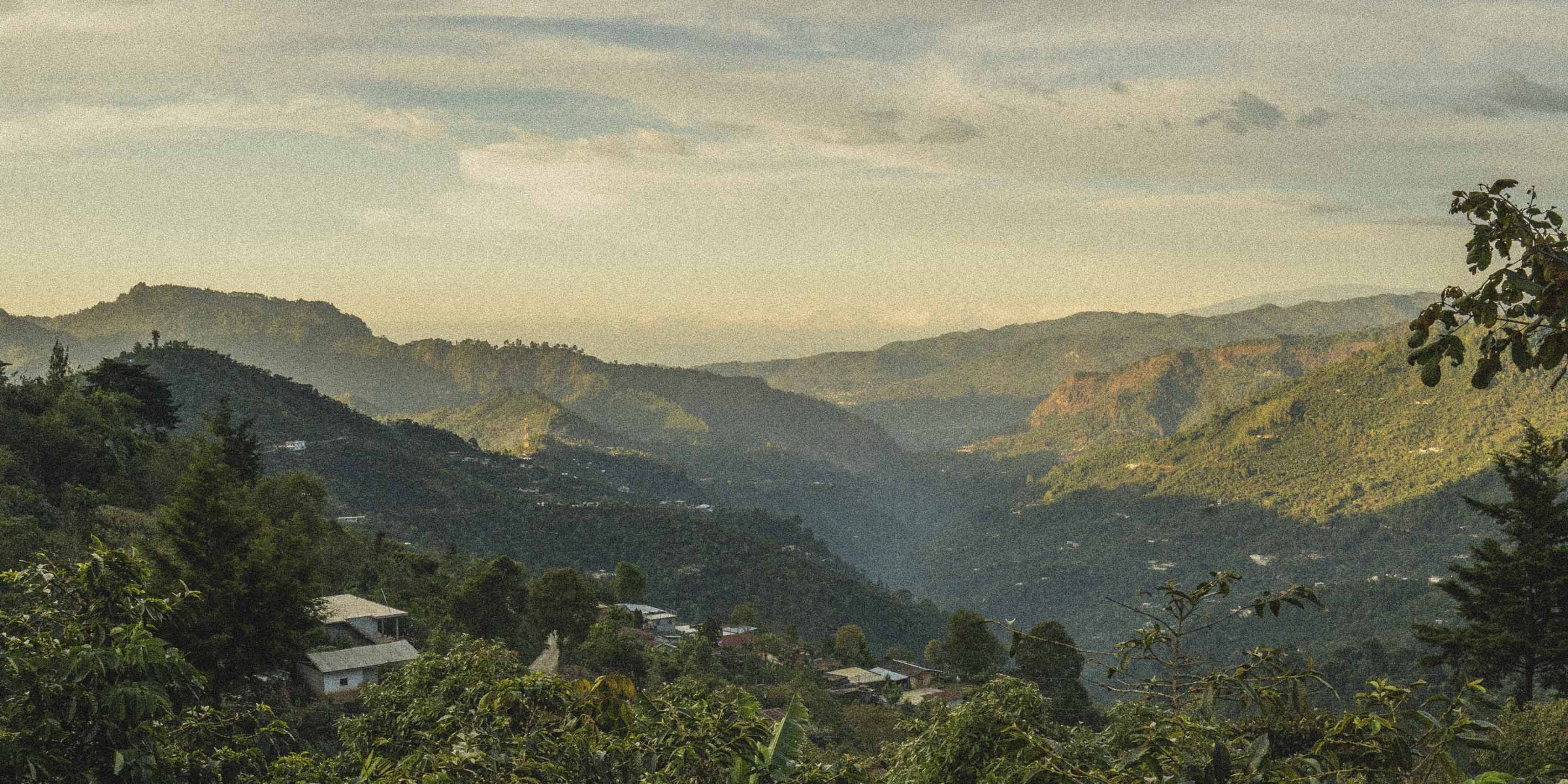
Guatemala- Guatemala is one of the world's largest high-quality coffee producers, exporting over $1 billion in 2023. With high altitudes, rich volcanic soil, and 300+ microclimates, Guatemalan coffee delivers balanced, bright complexity with sweet caramel notes, creamy vanilla, and rich chocolate.

Altitude

1800-1900masl - Altitude is typically correlative to the potential complexity of a coffee bean. The higher in altitude the coffee is grown, the denser the bean will be, resulting in a more dynamic cupping experience.

Classification

Gold Label- Gold label coffees represent the most of what Sagebrush's mission is: direct relationships, readily available, reasonable mid-tier pricing, and an excellent cup profile. This is our company standard, the coffees we're drinking on a daily basis here at the shop.

Variety(s)

Bourbon, Caturra

All about the coffee
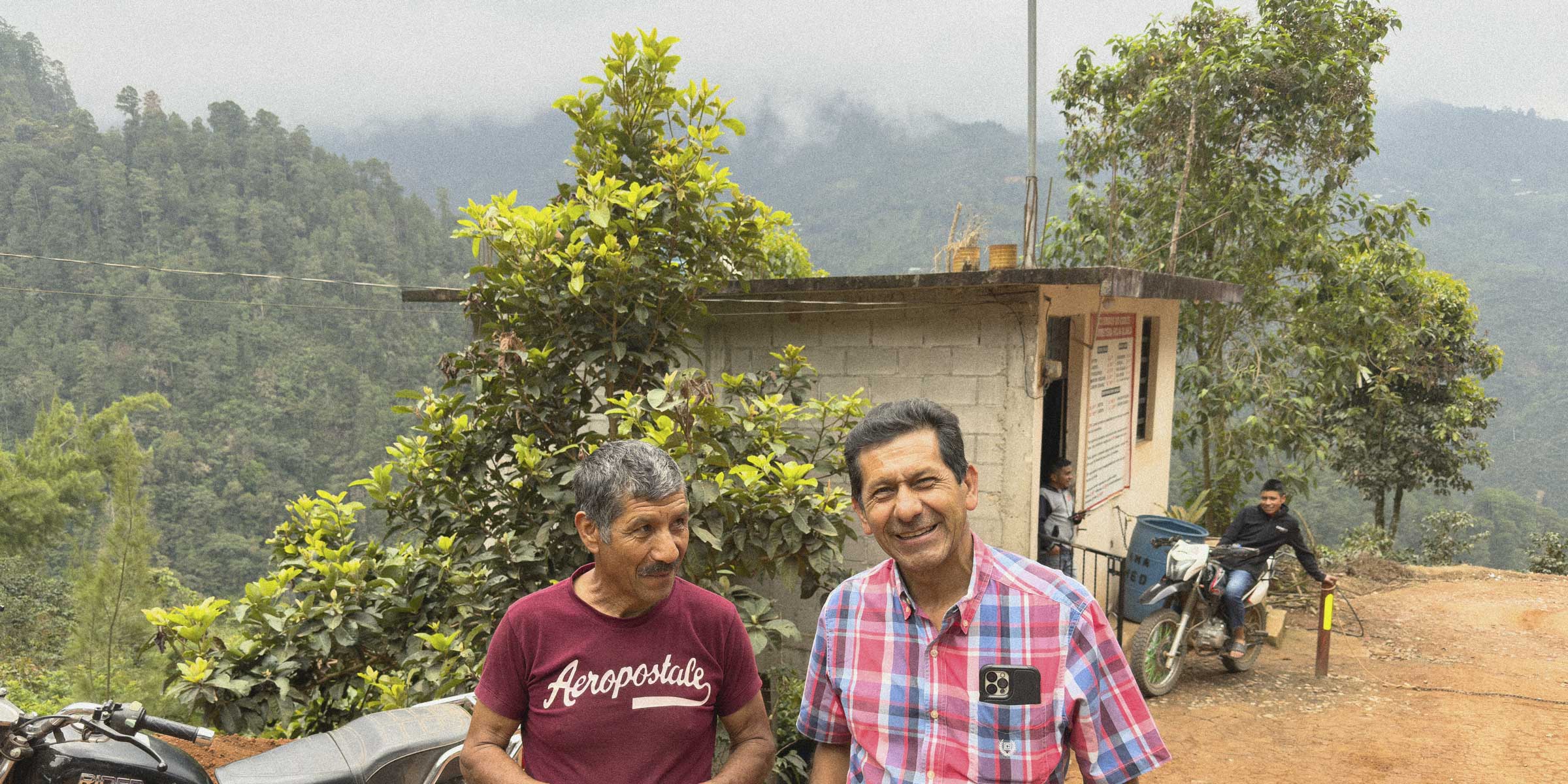
Meet The Villatoro Family

The Villatoro family has been growing coffee in the remote highlands of Hoja Blanca, Guatemala since the 1950s. Today, Aurelio, his brothers, and their children work together across five farms, combining traditional knowledge with modern techniques at 1600-2000m elevation.

Learn More About The Villatoro Family

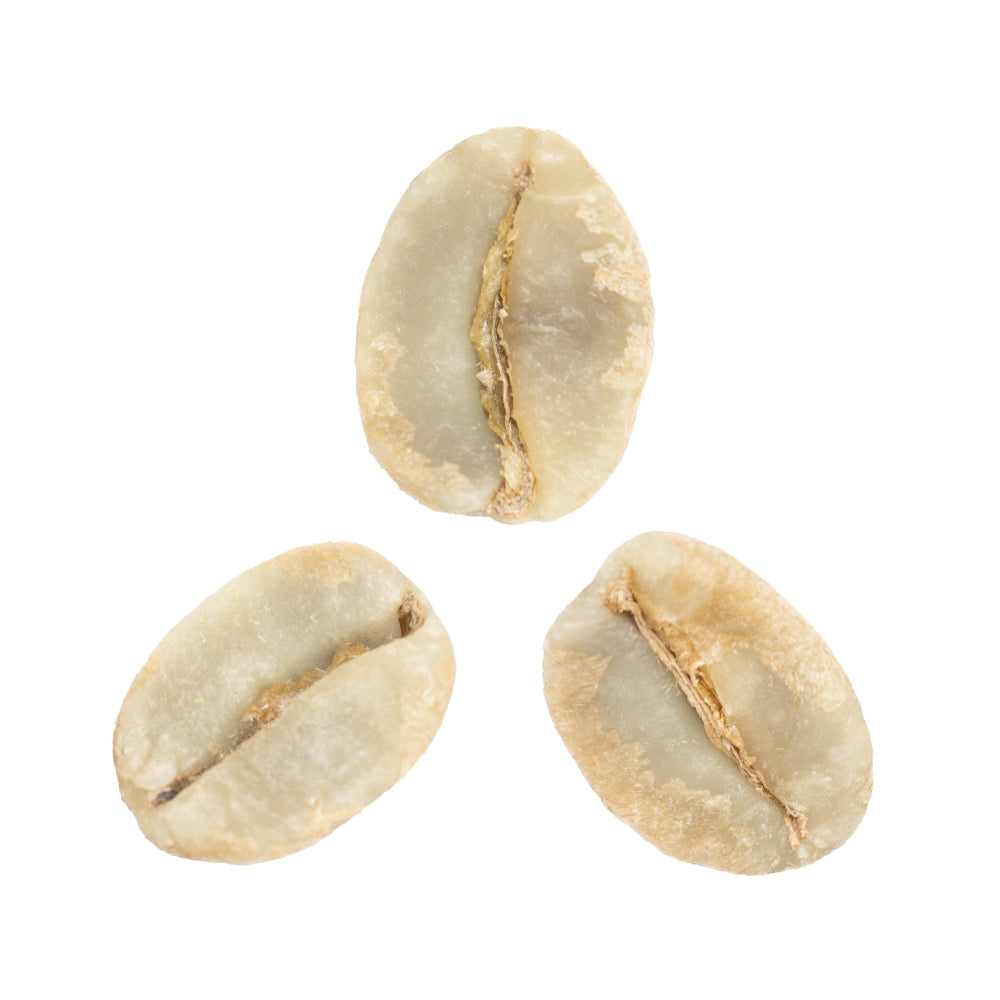
Bourbon

The best things in life often come in pairs. Batman and Robin. Peanut butter and jelly. Together, they accomplish more than they would alone. 

When it comes to the two most important varieties in specialty coffee, Bourbon and Typica are the clear winners. 

If you’re a coffee lover, you’ve likely heard of varieties like Bourbon and wondered, what is it? How is it different from other varieties? And does it affect the taste of my morning coffee?

Bourbon Coffee: Parent Variety Profile & Flavor Guide

Washed Process

In the washed process, a machine removes the cherries’ skin and pulp, and the remaining beans are left to ferment in water. It’s by far the most common way coffee is processed—but makes this method so popular?

Washed Process

Guatemala

When you think of Guatemala, you might picture ancient Mayan ruins or colorful highland markets. But walking through Don Aurielio's farm at Punta Del Cerro last year, watching him examine every branch like he was reading a story only he could understand, we realized Guatemala's coffee excellence isn't about following trends—it's about generations of knowledge passed down through whispered conversations at dawn. What we wanted to know is how a country that's been growing coffee since the 1850s stays relevant when everyone's chasing the next new origin. What we learned is that Guatemala doesn't need to chase anything. Whether it's volcanic soil that's been enriched for centuries, or families who've been selecting the best plants for five generations, or producers who still hand-turn their drying coffee every 45 minutes through the night, Guatemala built its reputation on consistency that newer origins are still trying to achieve.

Coffee Terroir Guide: The Balance & Complexity of Guatemalan Coffee