

Quick Guide

What is this coffee?

milk chocolate - This coffee is a washed process, lending it more to presenting the natural terroir of the region. In earth-forward coffees it’s difficult to not pick up a touch of cocoa, but in this specific cup we noticed a particular sweetness and smoothness to come alongside it. 

apple cider - Kenyan peaberry coffees tend to be juicy, and this coffee certainly meets that expectation. A bright malic acidity rests comfortably in this cup, which has us thinking apple cider.

hibiscus - We enjoy the depth of complexity African coffees always bring to the table, and the nuanced acidity alongside herbal notes has us landing on hibiscus.

Processing Method

Washed Process- Washed processing is coffee's most common and reliable method. Through depulping, controlled fermentation, and thorough rinsing, this water-intensive process minimizes variables to produce clean, bright cups that showcase origin characteristics and variety.

Country

Kenya- Kenya stands out with its modern approach to coffee production, including the famous grading system that categorizes beans by size and quality. The renowned AA beans, grown above 1,700 meters, produce bright, vibrant, fruity cups. Kenya's research-driven industry is a 21st-century model.

Altitude

1600-1900masl - Altitude is typically correlative to the potential complexity of a coffee bean. The higher in altitude the coffee is grown, the denser the bean will be, resulting in a more dynamic cupping experience.

Classification

Gold Label- Gold label coffees represent the most of what Sagebrush's mission is: direct relationships, readily available, reasonable mid-tier pricing, and an excellent cup profile. This is our company standard, the coffees we're drinking on a daily basis here at the shop.

Variety(s)

Peaberry

All about the coffee

Meet The Rungeto Farmers Coop

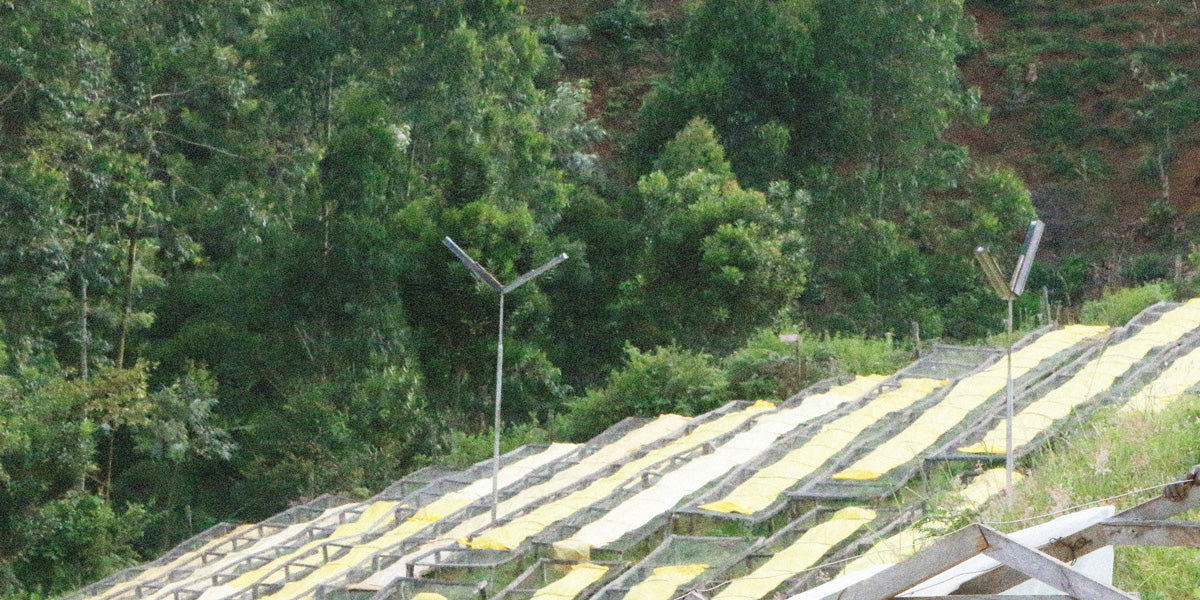
The Kii factory, operated by Rungeto Farmers Cooperative Society in Kirinyaga, Kenya, serves over 850 smallholder farmers who've been growing coffee on the slopes of Mt. Kenya since 1953. Known for meticulous processing and clean water from the Kii River.

Learn More About The Rungeto Farmers Coop

Peaberry

In the world of specialty coffee, some of the most intriguing discoveries happen by accident. Natural mutations that create entirely new varieties. Processing experiments that unlock hidden flavors. And sometimes, a coffee cherry decides to do something completely unexpected—producing just one seed instead of two.

This single seed is called a peaberry, and it's one of coffee's most fascinating anomalies.

Peaberry Coffee: Natural Mutation Guide & Flavor Profile

Washed Process

In the washed process, a machine removes the cherries’ skin and pulp, and the remaining beans are left to ferment in water. It’s by far the most common way coffee is processed—but makes this method so popular?

Washed Process

Kenya

Kenya (ken•yuh) possesses a handful of unique characteristics within its coffee industry that make it stand out from the rest. The country was one of the last African countries to be introduced to coffee as a cash crop and, as a result, has a more modern approach to all areas within the industry.

Coffee Terroir Guide: Kenya's Famous AA Beans & Grading System